Breaking News Today! A U.S. military F-35 stealth fighter was hit by an Iranian air defense missile! This marks the first combat loss of a fifth-generation stealth aircraft. How did Iran manage to achieve this?
20/03/2026
Breaking News Today! A U.S. military F-35 stealth fighter was hit by an Iranian air defense missile! This marks the first combat loss of a fifth-generation stealth aircraft. How did Iran manage to achieve this?
The U.S. and Israeli airstrikes against Iran have entered their 21st day, with an advanced U.S. Air Force black bomber being shot down over Iran. On the evening of the 19th, Tehran time, CNN suddenly reported that a U.S. military F-35 fighter jet had been damaged by Iranian air defense forces over Iran and made an emergency landing at an airport in the Middle East. The pilot is reported to be in stable condition.
*Just as everyone was half-believing and half-doubting the news, the Air Defense Force of Iran's Islamic Revolutionary Guard Corps released on-site video and issued a situation briefing. The video clearly shows the damaged aircraft, its shape distinctly that of an F-35 fighter jet, immediately confirming the success of the strike.*
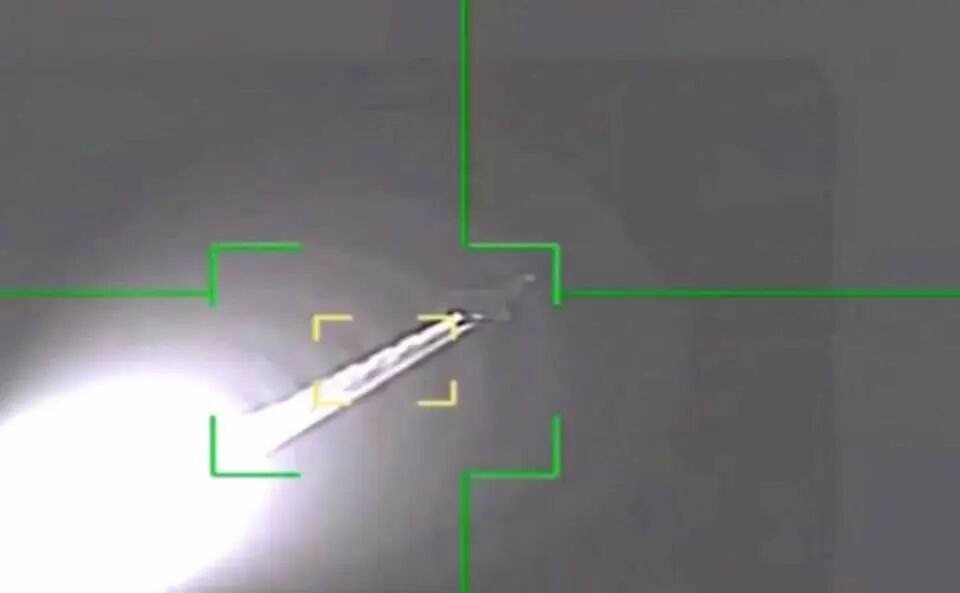
If I remember correctly, this is the first combat loss of a fifth-generation fighter in an engagement (the Su-57 strike at the 4th State Flight Test Center named after Chkalov in Akhtubinsk, Ukraine in June 2024 does not count, as it was not in an active combat zone, the Su-57 was a prototype parked on the ground, and it was hit by a drone). Considering the U.S. Air Force's usual approach to handling damaged F-35 fighters, the injured F-35 will, in a significant number of cases, be transferred to reserve status or even directly used as ground crew training aids.

If this battle-damaged F-35A fighter jet suffers from airframe structural issues, or if its surface skin is severely damaged to the point of losing repair value, then it could also be considered a total loss. In any case, this marks the first time a fifth-generation fighter has been compromised in actual combat, and Iran's achievement in this engagement is truly impressive.
How did Iran manage it?
Well executed, but how was it done? What about the post-damage effects? A glimpse can be seen from the video released by the Revolutionary Guards. The Revolutionary Guards did not use the radio-command-guided Tor-M1 air defense missiles at their disposal, nor did they employ the semi-active radar-guided **Buk** surface-to-air missiles. Instead, they used an infrared electro-optical guided air defense missile.
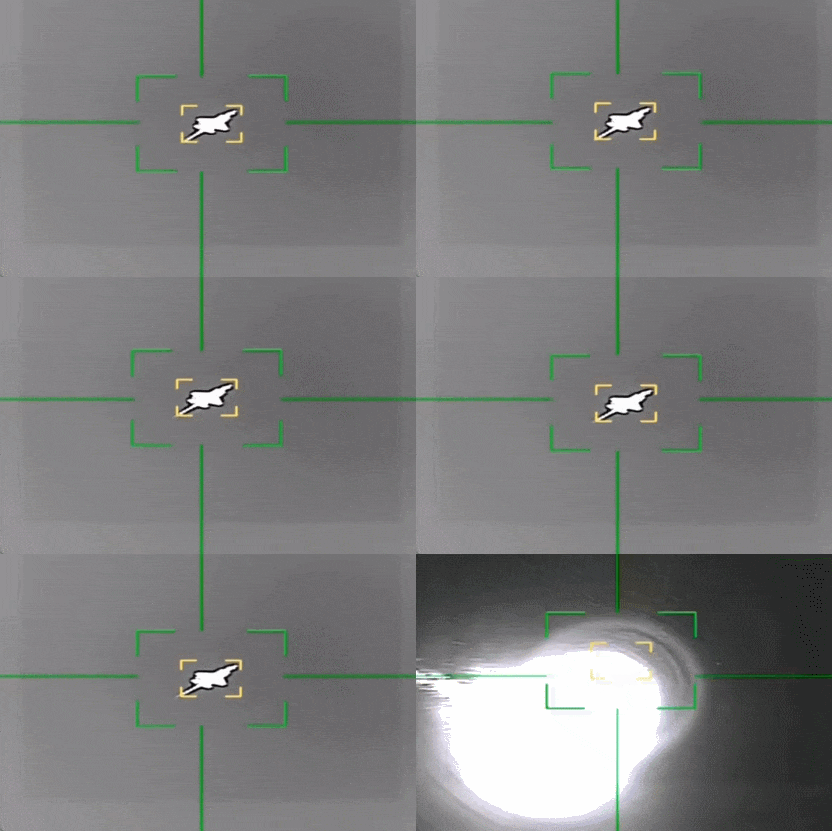
The video clearly shows the infrared photoelectric head tracking an F-35 fighter jet flying in the air, with its infrared signature being very distinct. Subsequently, a luminous object enters the frame from the right side of the lens, which should be a surface-to-air missile launched by an air defense system. The missile directly hits the F-35 fighter jet, causing a burst of flames. After being hit, the F-35 fighter jet leaves smoke trails from its wings and tail, clearly indicating damage. However, the aircraft's flight condition remains generally normal without instability or tumbling. Overall, CNN's report about the F-35 fighter jet being damaged and subsequently making an emergency landing at a Middle Eastern airport is accurate.
So, how did Iran organize this air defense operation? In my opinion, the operational process was as follows: although the U.S. and Israeli air forces conducted approximately 10,000 sorties over the past twenty days (according to data released by the Central Command), Iran's air defense forces were not idle. Although most of the radars were either destroyed or kept offline to preserve their capabilities, the Revolutionary Guard likely followed the example of the Houthis (or perhaps this approach was originally taught to the Houthis by the Revolutionary Guard) and established an air situation awareness network based on air observation posts and electro-optical detection systems.
The so-called air observation post, in essence, relies on manpower—people using binoculars or simply keeping a sharp lookout, and if conditions permit, equipped with FLIR (infrared) aerial photoelectric detection devices, among others. There are also tools like aerial radio equipment, deployed along Iran's border lines and deep inland areas, maintaining strict surveillance to roughly determine where U.S. or Israeli aircraft enter from, which flight paths they follow to bomb specific targets. In clear weather, this approach can be somewhat effective. Although it may be difficult to immediately guide ground-based missiles to intercept, it at least helps to understand the activity patterns of U.S. and Israeli aircraft.
After all, from the perspective of combat organization, people tend to be lazy. As long as safety is ensured, operational staff wouldn't bother planning different routes every day—after all, you never know if switching to a new route might lead to an ambush. Therefore, as long as a certain sortie route remains safe, it's highly likely that these airstrike aircraft will continue using it for missions. This creates an opportunity for the Iranian Revolutionary Guard to grasp their operational patterns, trace their flight paths, and also lays the groundwork for organizing surface-to-air missile ambushes along those routes.
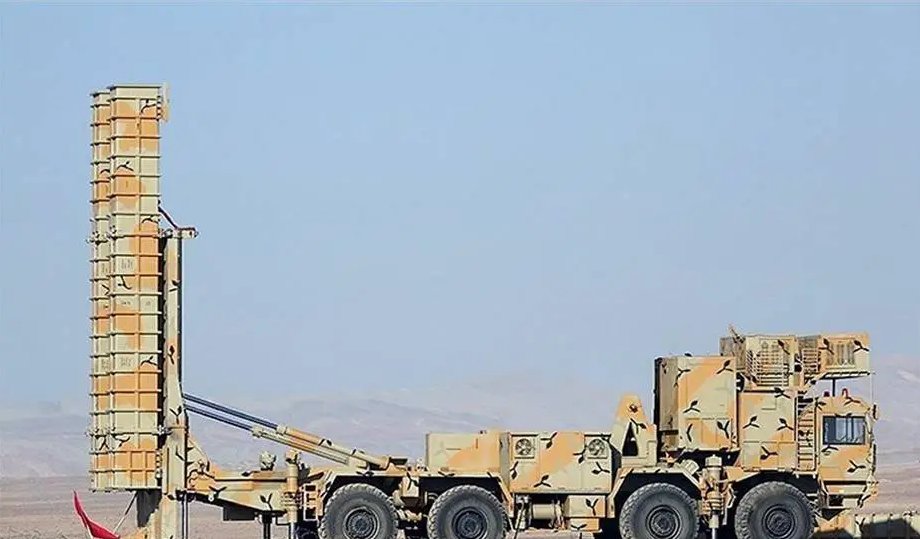
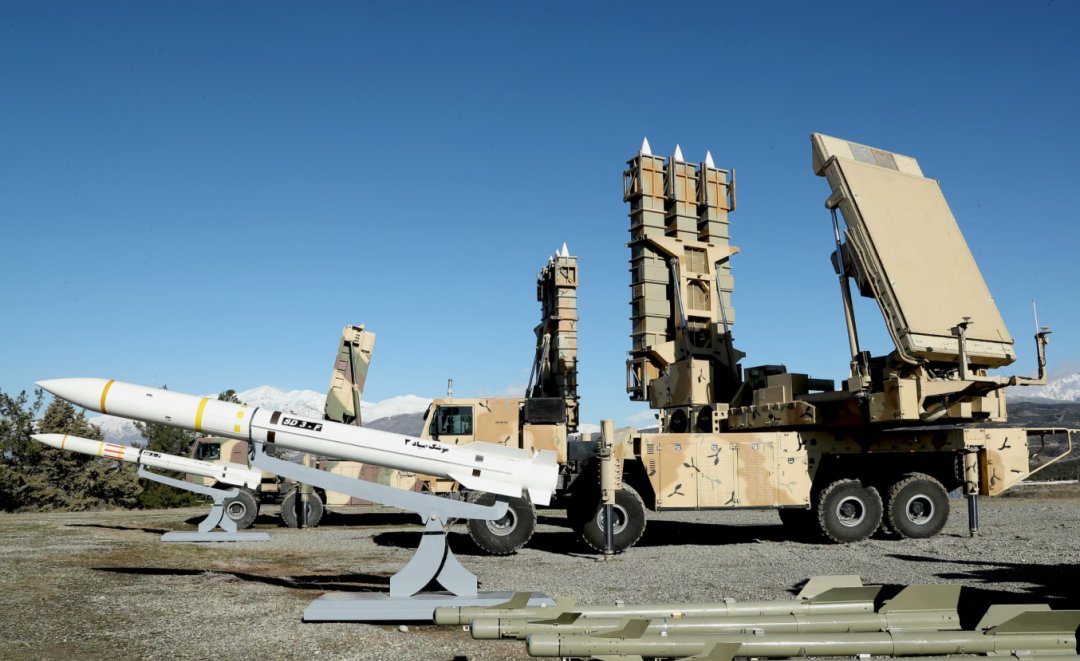
After roughly identifying a certain air strike route of U.S. and Israeli aircraft, the next step for the Revolutionary Guard is to deploy the available ground-based missile systems near the route. In terms of the deployed ground-based missile weapons, Iran did not choose the large but impractical S-300PMU2 long-range area air defense system or its self-developed Bavar-373. After all, such long-range area air defense systems, which require extensive deployment and activation of fire control radars, have proven ineffective against the ECM of F-35As and EA-18Gs, and launching missiles would be futile. Moreover, the radio frequency power of such systems is too high, making them like lit torches in the face of the numerous U.S. and Israeli electronic warfare aircraft, which would quickly attract concentrated attacks from anti-radiation weapons. Therefore, it is essential to conceal and preserve their capabilities.
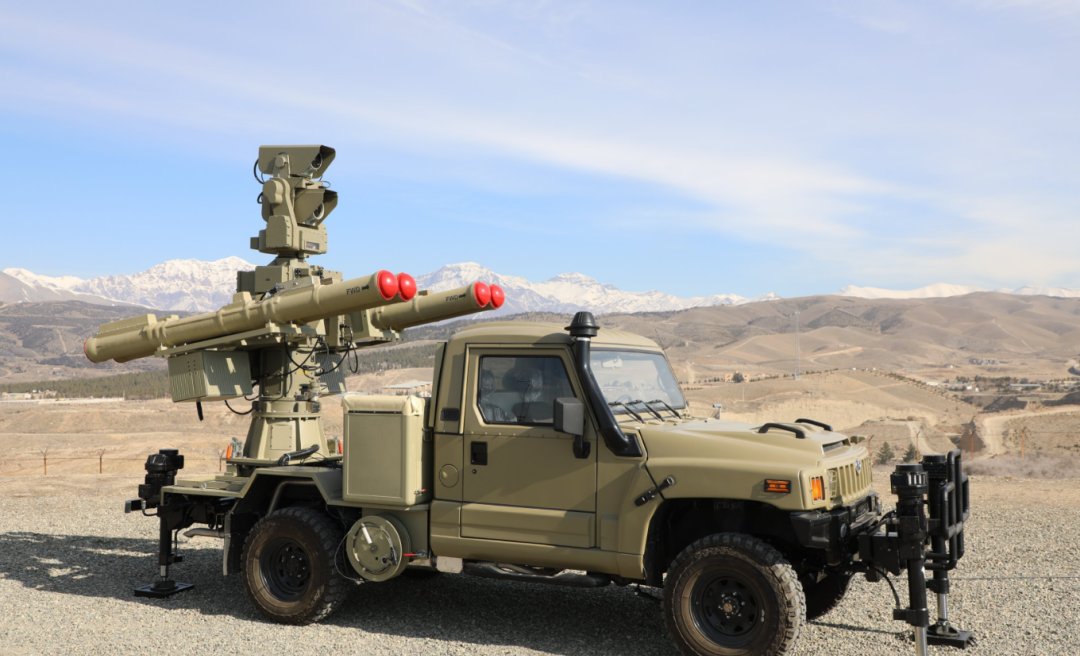
Iran has chosen to use its own domestically produced, makeshift air defense system known as Majid. This is a modular system that can be deployed in fixed positions, mounted on off-road chassis, or even concealed in the cargo bed of a small truck. It serves as a short-range point defense system equipped with electro-optical detection devices, featuring either quadruple or octuple launchers. The missiles are guided by passive infrared homing, similar to our Feibao-10A short-range air defense missile. Reportedly, it has a maximum launch slant range of around 10 kilometers and a maximum altitude of about 6 kilometers. While its range and altitude are limited, its greatest advantage lies in emitting no radio frequency radiation—it relies on passive detection and guidance. As long as a target exhibits infrared thermal signature characteristics, it can be tracked, making it exceptionally suitable for ambush-style tactics.
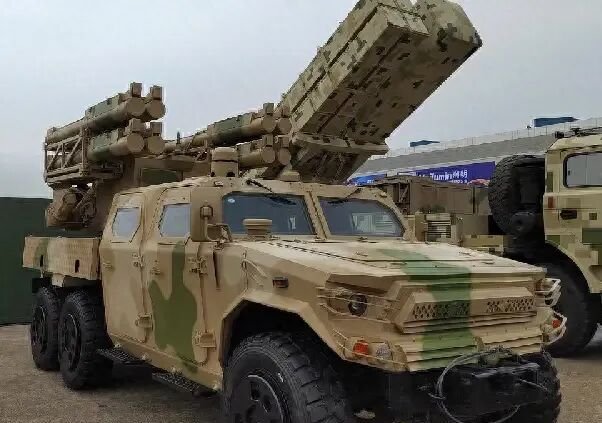
In terms of deployment methods, it is unclear how Iran carried out the deployment. Generally, there are two approaches. One involves deploying interception lines horizontally along possible flight routes, while the other involves deploying interception lines vertically along the routes. The missile systems remain concealed and on standby, possibly receiving very vague air intelligence (after all, the radars are not activated, relying only on visual observation or FLIR detection). The next step is to patiently wait for U.S. or Israeli aircraft to approach—this also depends on luck. Perhaps they did not use this route today, perhaps they used it but were not spotted, perhaps poor weather conditions prevented detection, or perhaps they were spotted but their flight path deviated beyond the attack envelope, making engagement impossible. All of these scenarios are possible.
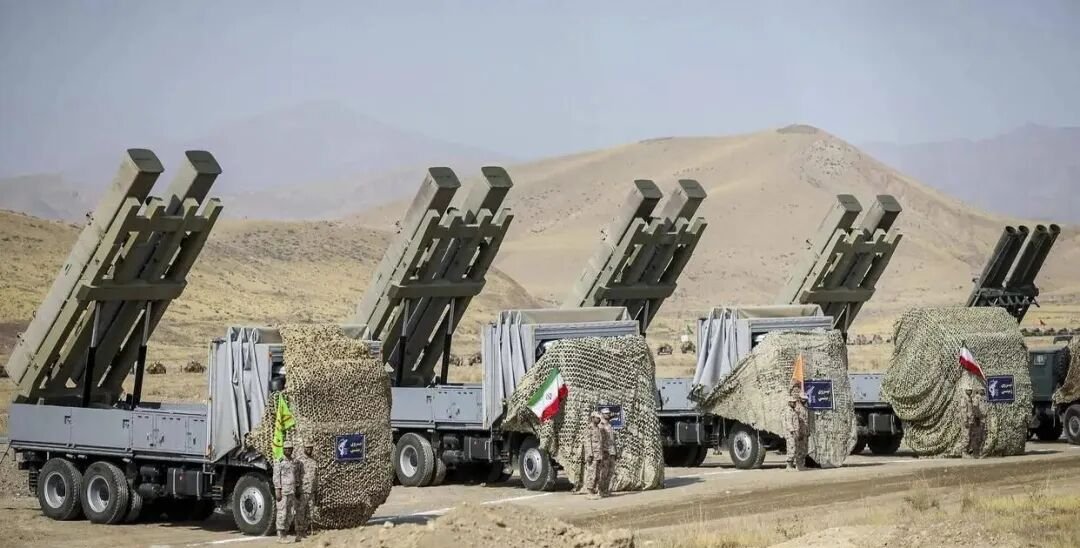
But if luck is on your side and the incoming aircraft is truly captured in the FLIR (infrared) lens, then it becomes straightforward. Simply lock the target with the electro-optical head, allow the system to determine when it enters the missile's engagement range, power up the missile, press the button to launch, and leave the rest to the missile and the enemy aircraft's countermeasures to battle it out. It must be said that this time, Iran's air defense forces had exceptionally good luck: the Majid system not only captured the enemy aircraft, but it was the valuable Black Bomber that was locked on, and the missile launched actually managed to avoid being jammed by the Black Bomber.
US Military - Why Didn't They Evade?
According to common sense, the EODAS equipped on the F-35 fighter jet should be fully capable of detecting incoming missiles. Once detected, it would be appropriate to either maneuver to evade or deploy infrared decoy flares. However, this time, there was no reaction at all—it is unclear whether the EODAS is not as miraculous as the U.S. military has claimed, or whether the U.S. pilot was too fatigued to react in time. Considering that the incident occurred close to 3:00 AM, the author believes the latter possibility is more likely.
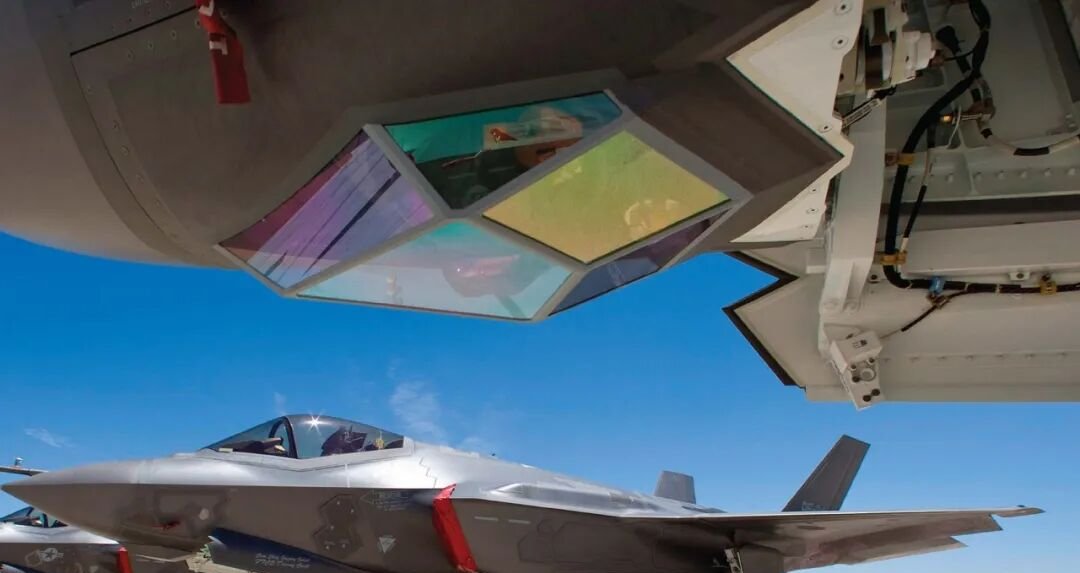
However, there are two shortcomings. Firstly, in terms of equipment, the air defense missiles of the Iranian air defense forces appear to have only damaged the F-35A. After being hit, the aircraft continued to fly, indicating it was likely not shot down. This is mainly due to two reasons.
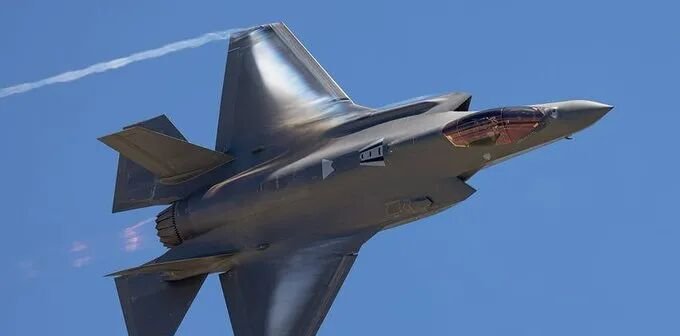
First of all, the warhead of this short-range point defense system cannot be very large, estimated to be around 5 to 10 kilograms. For a relatively robust fifth-generation fighter like the F-35, such a small warhead is indeed difficult to completely destroy. Secondly, Iran's surface-to-air missiles may have poor integration of fuzing and warhead functionality. Whether the warhead detonates too early or too late could affect the lethality. This is unavoidable, as it is an improvised air defense missile. Optimal integration of fuzing and warhead requires testing hundreds of missiles to find the best solution, which would require guidance from an experienced expert after the fact.
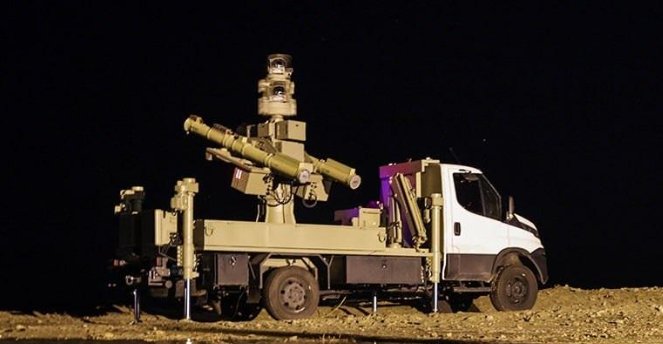
The second point is from an operational perspective. The ambush tactics of such ground-based missiles depend on prolonged observation of the flight routes used by the U.S. and Israel for airstrikes. They do not involve large-scale frontal confrontations organized during the airstrikes by the U.S. and Israeli air forces. In essence, this is an asymmetric form of warfare. It does not focus on immediately disrupting the aerial campaign posture of the U.S. and Israeli air forces but rather attempts to deplete their aerial campaign strength by shooting down or damaging some aircraft. Therefore, its limitations are still relatively significant. However, regardless, after this successful shoot-down, it is estimated that the U.S. and Israel will allocate more sorties to suppress Iran's air defense systems. Fighter jets will also operate more cautiously over Iranian airspace. If this compels the U.S. and Israeli air forces to rely more on valuable standoff weapons like JASSM rather than penetrating attacks, it could accelerate the depletion of their campaign strength, potentially bringing the culmination of the attack phase sooner.
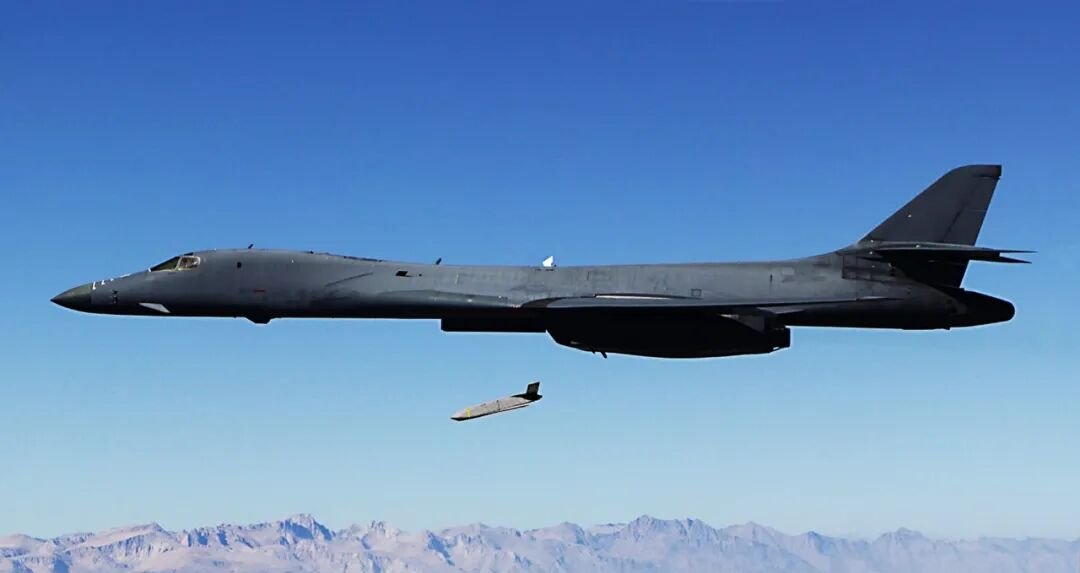
However, the achievement of the Iranian air defense forces in damaging the F-35A this time proves several points. Firstly, as long as there are enough methods, who says that disadvantaged air defense forces cannot achieve results? Currently, the Iranian air defense forces have already shot down about 30 drones, and now, with the addition of such a black bomber, this serves as clear evidence.
Secondly, the overall morale of the Iranian armed forces remains quite high, with a strong will to engage in combat. Although the air defense forces are at a significant disadvantage, they have still performed to the best of their abilities. Without their support, the missile units would not have been able to operate steadily.
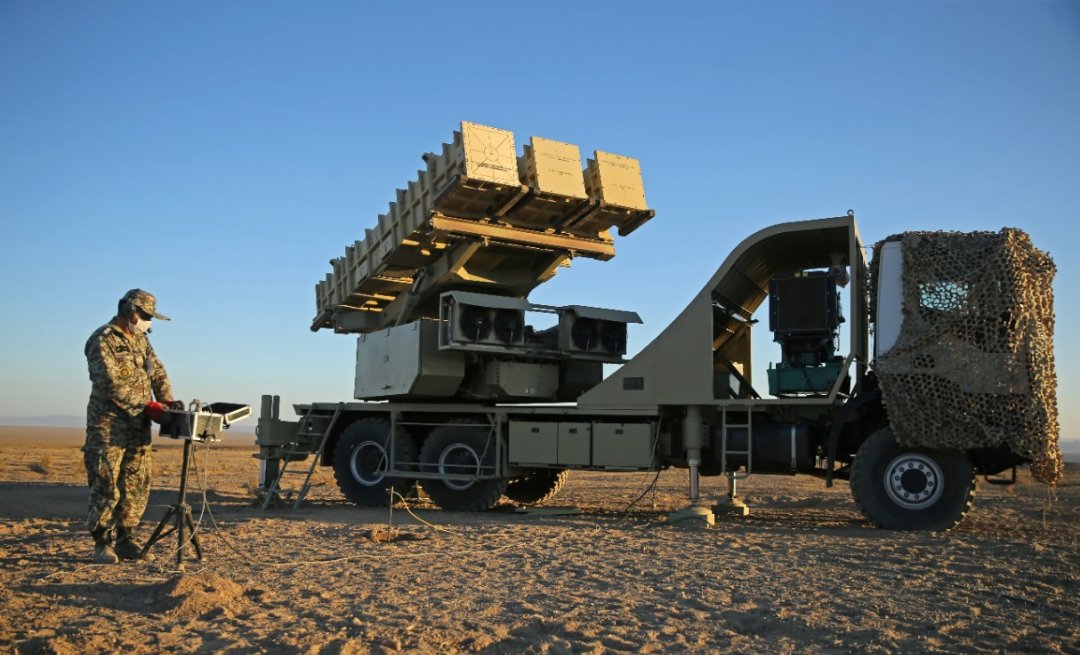
The third point is that this marks the first combat loss of a fifth-generation fighter in actual warfare, and it is a loss suffered by the U.S. Air Force. This proves that the combat machine used by the U.S. Air Force to intimidate people in third-world countries—the highly mythologized fifth-generation fighter—is not invincible. It is believed that if faced with armed forces possessing more comprehensive combat systems and more advanced ground-based missiles and fighter jets, the U.S. military's fifth-generation aircraft would suffer even greater losses. In any case, do not attempt to provoke us, or you will lose your black bomber!