Escalation of the situation? Iran has withstood the strategic probing by the United States and Israel, and what comes next is the most dangerous moment for Iran!
21/03/2026
Escalation of the situation? Iran has withstood the strategic probing by the United States and Israel, and what comes next is the most dangerous moment for Iran!
Today is just a simple review. From the assassination of Ali Larijani, Secretary of Iran's National Security Council, on March 17, to the extensive bombing of the South Pars Asalouyeh gas facility by the Israeli Air Force on March 18, it has now been three or four days since the events. The author's review suggests that this is the most dangerous moment Iran has faced strategically since the invasion by the United States and Israel.
Looking at the actions of the United States and Israel on the 17th and 18th, it appears that internal coordination took place. At the very least, judging from Trump's initial arrogance followed by humility—first hinting that both sides coordinated the bombing of gas facilities, then denying it—it is clear that the U.S. and Israel interacted regarding the bombing of gas facilities. In my view, the two incidents are connected: on the 17th, the Israeli Air Force carried out an airstrike to assassinate Larijani, the de facto wartime leader of Iran, leaving the country temporarily leaderless. From the 17th to the 18th, the statements from Iranian leaders began to show confusion, with government officials, Revolutionary Guard commanders, leaders from various military branches, as well as senior and mid-level leaders all stepping forward to make remarks, which is a clear indication of the disorder.
To this end, the Israeli military quickly seized this strategic opportunity—persuading Trump to bomb Iran's civilian and energy facilities, especially the natural gas facilities considered the lifeline of Iran's economy, while Iran was temporarily in chaos. For Iran, this was both pressure and a test. Conducting a pressure test on Iran, if Iran showed weakness and chaotic responses, it would mean that after Larijani's death, the Iranian leadership had no consensus on how to proceed with the war, and was at a loss and dared not retaliate against the strategic bombing by the U.S. and Israeli air forces.
Now, this will allow us to test Iran's strategic bottom line and the credibility of its deterrence, as well as the stability within its administrative system. Subsequently, the U.S. and Israel will immediately seize this as an opportunity to exert even greater strategic pressure on Iran, carrying out strategic bombings, destroying its economic foundation, and shaking its will to resist. The intensified pressure will further widen the internal rifts within Iran's ruling collective. Thus, it becomes feasible for the United States and Israel to force Iran into submission or to dismantle Iran's resistance through strategic bombing.
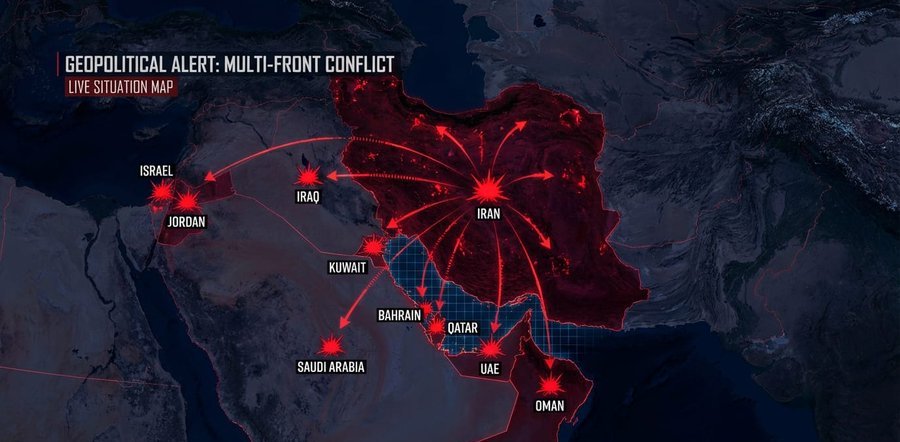
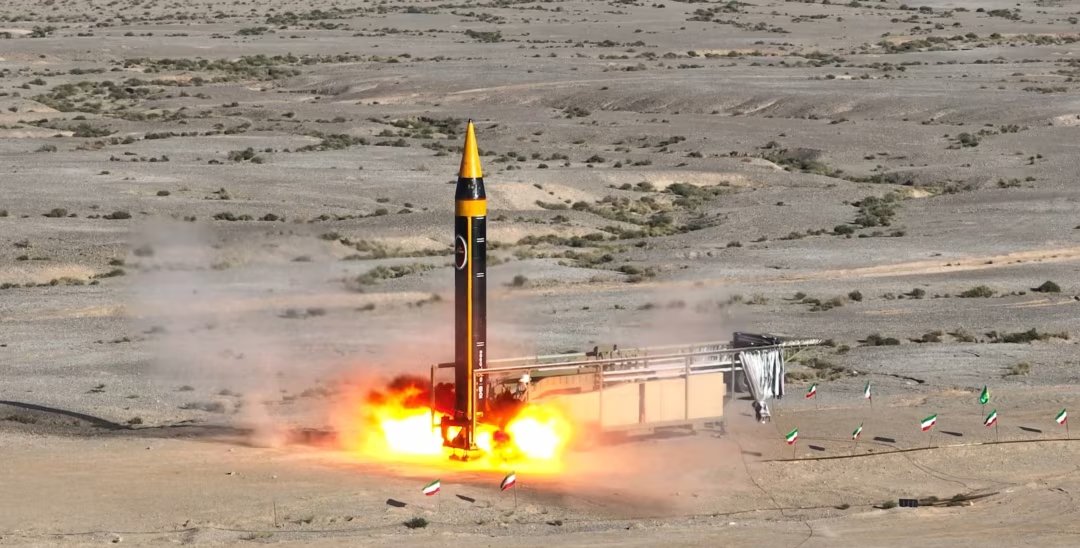
However, at this critical juncture, the author believes that Iran's response has been adequate, delivering a series of extremely tough combined measures as counteractions: First, it quickly reached internal consensus and spoke with a unified voice to the outside world, declaring this a strategic bombing and that the Revolutionary Guard would employ extremely forceful means to retaliate; second, it went all out, targeting energy facilities in the Gulf region and striking Israel's energy infrastructure. Merely by attacking Qatar's natural gas industry, it wiped out 17% of its production capacity in one go. This serves as a clear message to the United States: if Iran is subjected to strategic bombing and faces destruction, it will take down all energy facilities in the Gulf countries along with it.
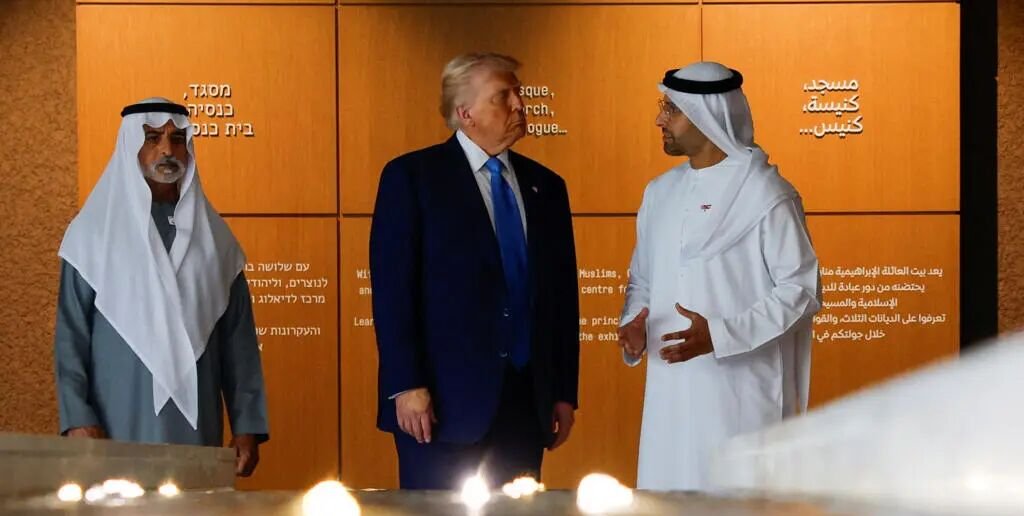
The simultaneous failure of energy facilities in Gulf countries will lead to two consequences. First, the U.S.-backed princes will lose their financial resources, and they are highly likely to withdraw investments from the United States to maintain internal stability, directly bursting the U.S. stock market bubble. Second, the ripple effect will cause price increases in the production sector, meaning that imported inflation in the United States will skyrocket, the petrodollar system will rapidly collapse, and under these dual pressures, U.S. hegemony will not be far from its end.
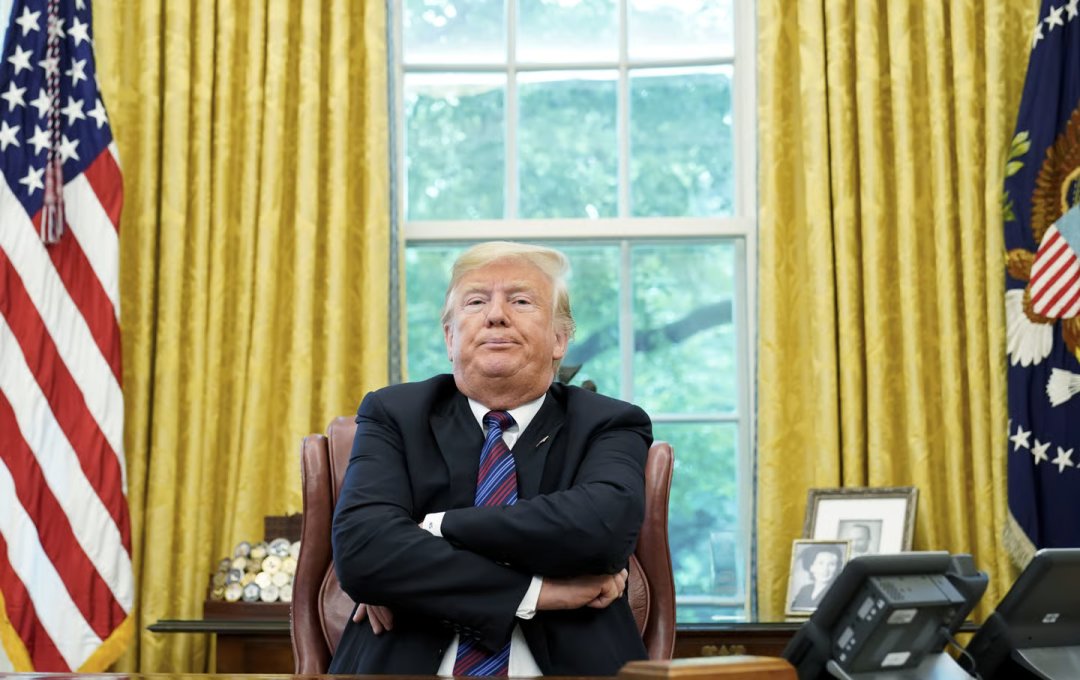
Faced with Iran's missile statement, the United States understood—Trump TACOed (Wall Street slang for Trump Always Chickens Out) on the morning of the 19th, awkwardly claiming it was all Israel's doing and that he knew nothing about it. Meanwhile, Israel, which has often acted recklessly and independently, also halted its attacks on gas facilities. This indicates that both the United States and Israel have clearly recognized the terrifying consequences of large-scale destruction of energy facilities in the Gulf region. Through this round of strategic probing, they have also clarified Iran's war resolve and realized that their objectives cannot be achieved through strategic bombing, forcing them to retreat.
From this perspective, Iran has responded adequately, and indeed quite excellently, when facing this critical strategic juncture and immense strategic pressure. It is unclear who within Iran was making decisions from the 18th to the 19th—whether it was Pezeshkian, Vahidi, or the younger Khamenei, or perhaps everyone was acting according to the established strategy determined before Khamenei's passing. Regardless of who made the final decision, the response can be considered quite appropriate.
Of course, when one plan fails, the United States and Israel come up with another. After the 19th, there has been increasing news about the U.S. military attempting to seize islands along the Strait of Hormuz or capture Halg Island. This should be seen as a new round of strategic moves by the United States, trying to force Iran into negotiations by occupying some of its islands, although we are not yet clear about Iran's subsequent moves.
However, the author would like to make two points: first, Iran's performance so far has exceeded expectations, with its strategy not only meeting the standard but even showing notable highlights; second, the strategic game between Iran and the United States in this round closely resembles the paradigm of post-nuclear escalation (with the U.S. taking the initiative by deploying B61-12 for strategic pressure) in a major-power confrontation scenario. The credibility of deterrence in this round of extreme brinkmanship between Iran and the United States is worthy of further analysis and study by other nations.