Russia's "Sarmat" rocket artillery system debuted at the Saudi Defense Exhibition, with a design strikingly similar to "HIMARS."
10/02/2026
On February 8, the World Defense Show opened in Riyadh, the capital of Saudi Arabia, where the Sarma 300mm multiple rocket launcher system made its first public appearance.
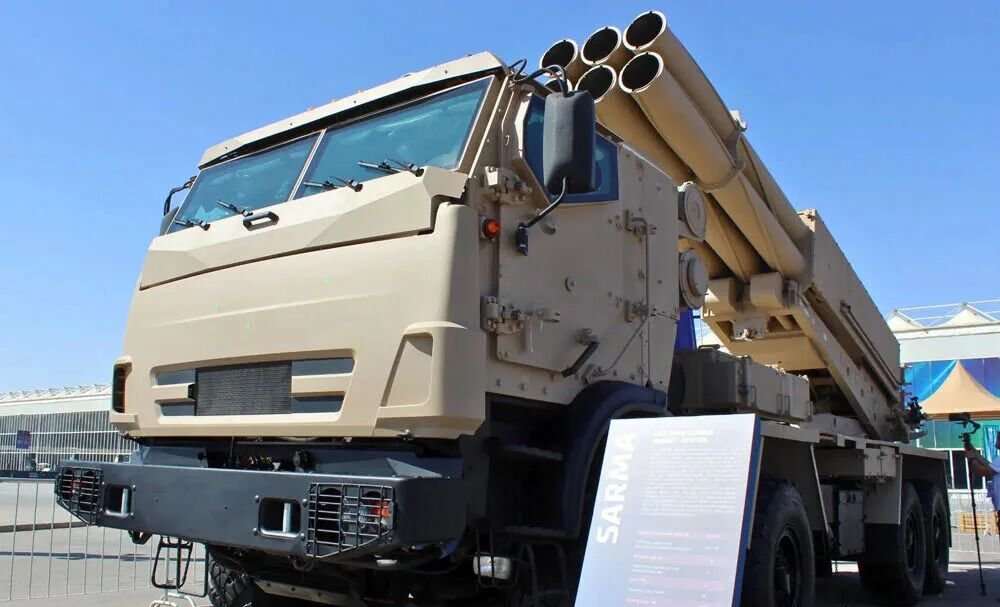
The Salma system originates from Russia's early concept of multiple launch rocket systems, emphasizing high mobility and precision strike effectiveness. It reflects the lessons learned by Russia from the Russia-Ukraine armed conflict—factors such as counter-artillery threats, drone reconnaissance, and rapid target acquisition have reshaped the use of long-range firepower. It represents Russia's latest attempt to modernize heavy rocket artillery to meet the demands of modern warfare.
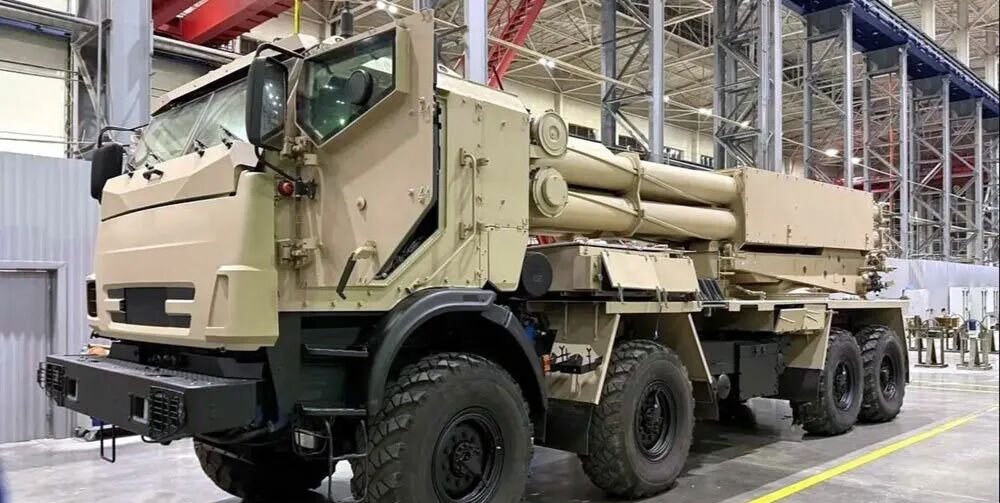
Salma is a Russian-made 300mm multiple rocket launcher system, classified as a heavy rocket artillery, primarily designed for tactical and campaign strike missions. According to information from the Russian industry, Salma was developed by the Motovilikha Plant starting in 2022 and was first publicly announced in 2023. In September 2025, the prototype vehicle made its debut public appearance, marking the system's transition from the conceptual development phase to the prototype testing and evaluation phase. At the world defense exhibition, Salma was presented as a mature weapon system with potential conditions for service.
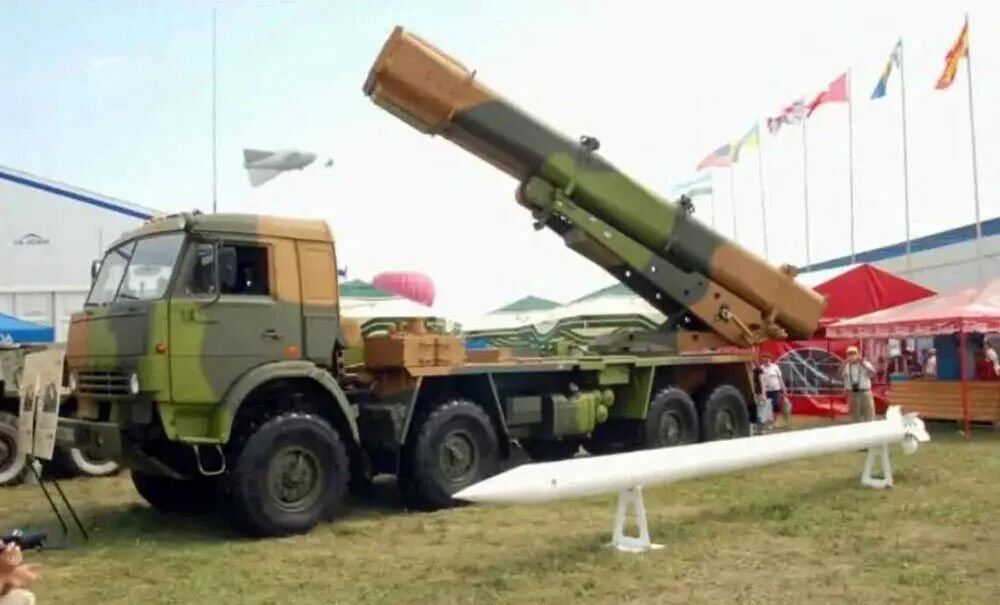
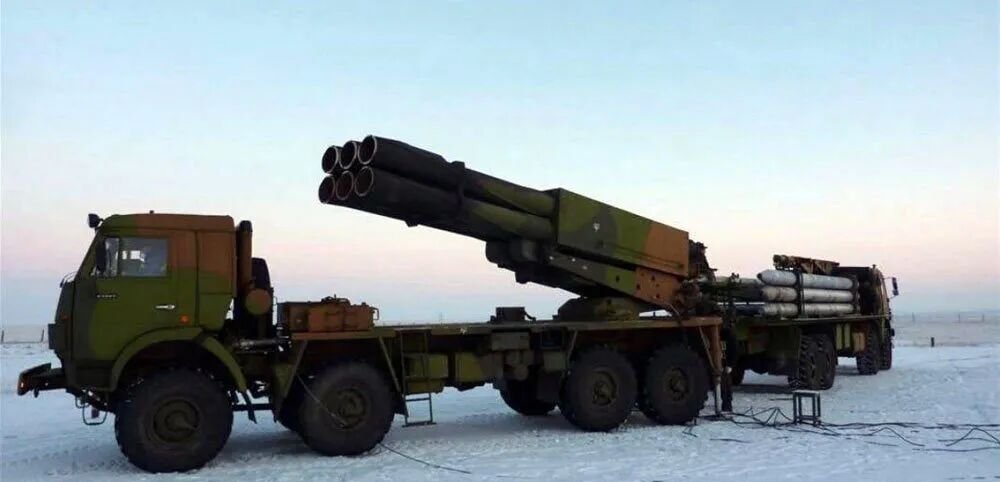
Salma is a modernization improvement over the early 9K58-4 Kama rocket artillery program. This program began development in the early 21st century, aiming to serve as a lightweight alternative to traditional Russian heavy rocket artillery. The Russian side stated that the renewed focus on this type of lightweight solution is based on battlefield observations and analysis. The analysis results indicate that highly mobile, lightweight rocket artillery capable of firing guided munitions possesses considerable combat effectiveness. Unlike the Tornado and Smerch-S heavy rocket artillery systems, which use 12-tube launchers, Salma employs a smaller 6-tube launcher, prioritizing mobility speed, lighter weight, and faster redeployment capability.
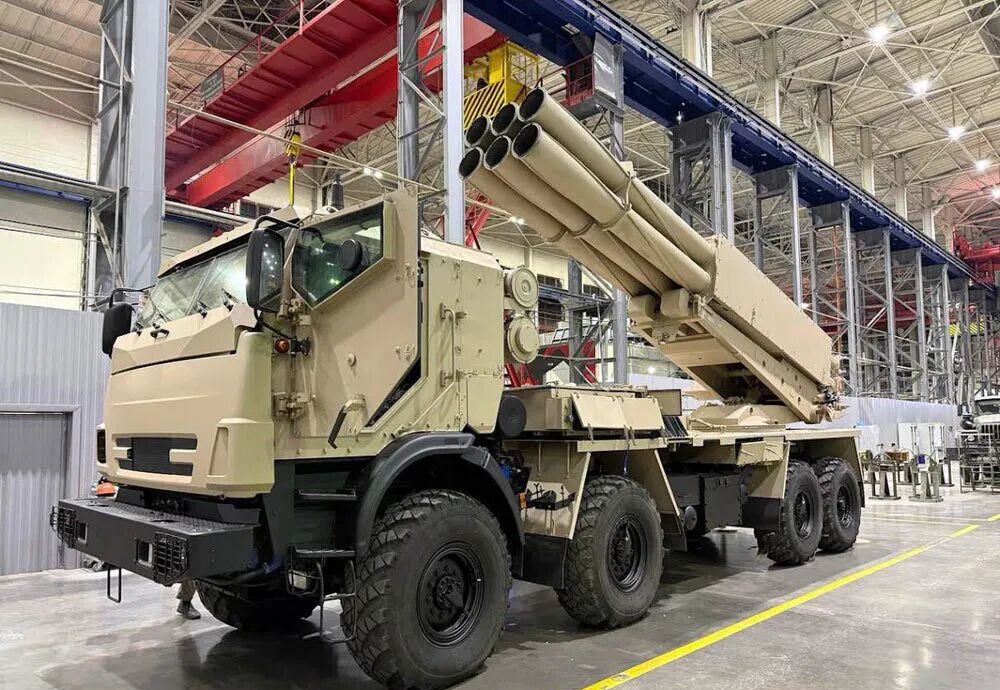
Salma's design enables it to operate closer to the front lines of the battlefield compared to traditional heavy rocket artillery systems. Its lightweight and compact design allows for rapid relocation after firing, thereby reducing the likelihood of the launch vehicle being exposed to enemy counter-battery fire. Russian sources indicate that the Salma rocket artillery system is expected to enter small-scale service starting in 2026 and may be deployed within operational areas. At that time, it will serve as a complement to the Tornado-S heavy rocket artillery system, rather than replacing it.
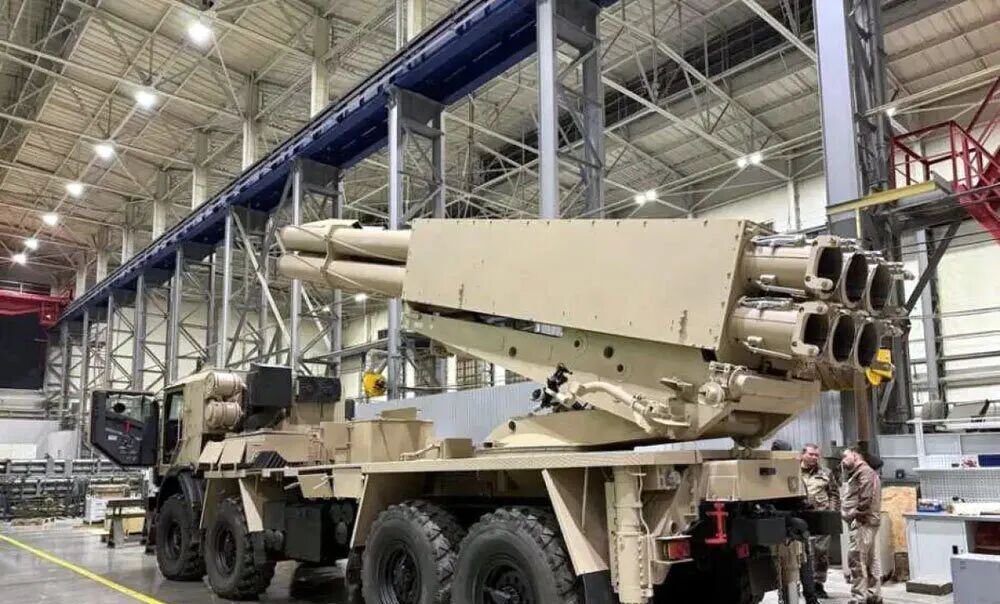
The Salma rocket artillery system is capable of conducting precision strikes against high-value targets, including command posts, ammunition depots, logistical hubs, bridges, and enemy artillery positions. The system can launch guided rockets for engaging point targets, while also firing conventional unguided rockets to carry out area saturation attacks when necessary.
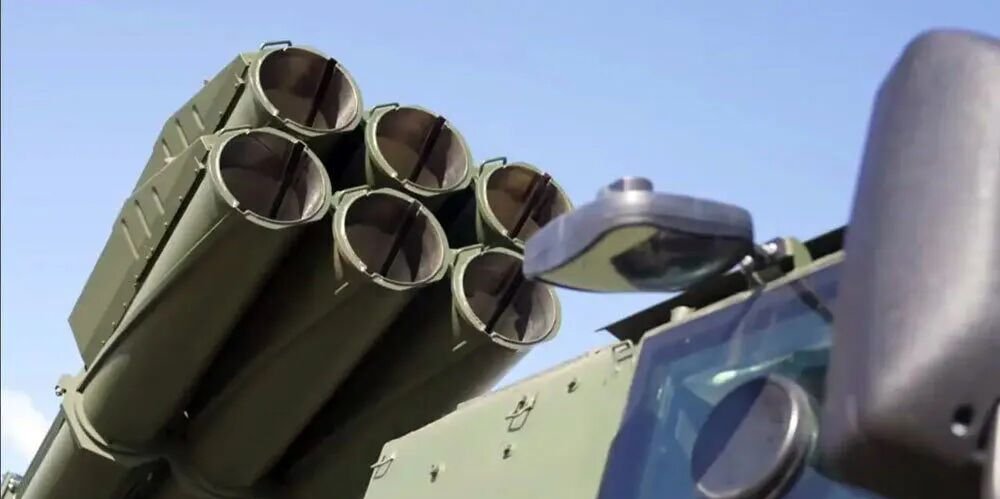
6 launch tubes of 300mm are arranged in two rows, with 3 tubes per row, mounted on a hydraulic rotating rack at the rear of the vehicle body. This layout reduces the overall weight of the launcher while enabling the firing of currently active Russian 300mm rockets. The firing modes include single shot, multiple shots, and salvo. It is claimed that a full salvo of 6 rounds can be completed within 20 seconds. Reloading is carried out by a dedicated transport and loading vehicle, allowing for rapid resupply and subsequent firing.
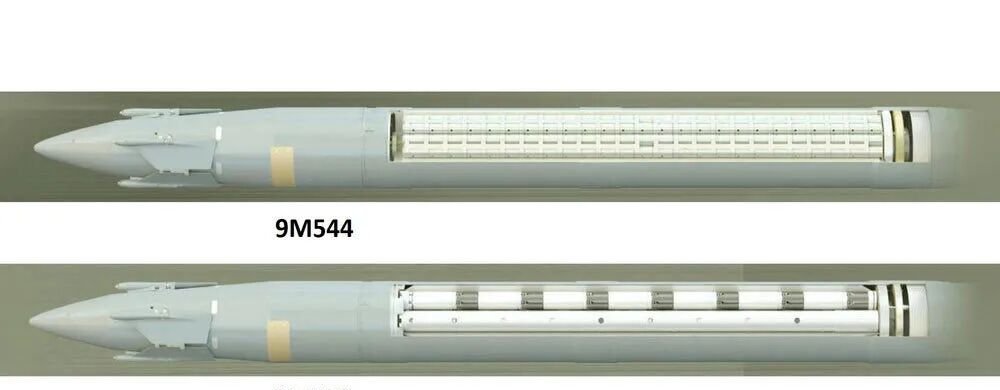
When launching the 9M55 series unguided rockets, the Salma has a range between 20 and 70 kilometers; when launching extended-range unguided rockets such as the 9M528 and 9M531, the range can reach up to 90 kilometers. It is also optimized for guided rockets like the 9M542, 9M544, and 9M549. These rockets utilize a composite guidance system assisted by GPS and GLONASS satellite signals to correct inertial navigation, extending the effective range to 120-130 kilometers.
The Russian side also stated that the Sarma can launch new guided rockets such as the 9M543 and 9M543L, and mentioned some small-batch production models, but the specific performance parameters of these new rockets have not been disclosed. Previously, there were claims that Russia would develop a 300mm rocket with a range of 200 kilometers, though these claims have not been confirmed.
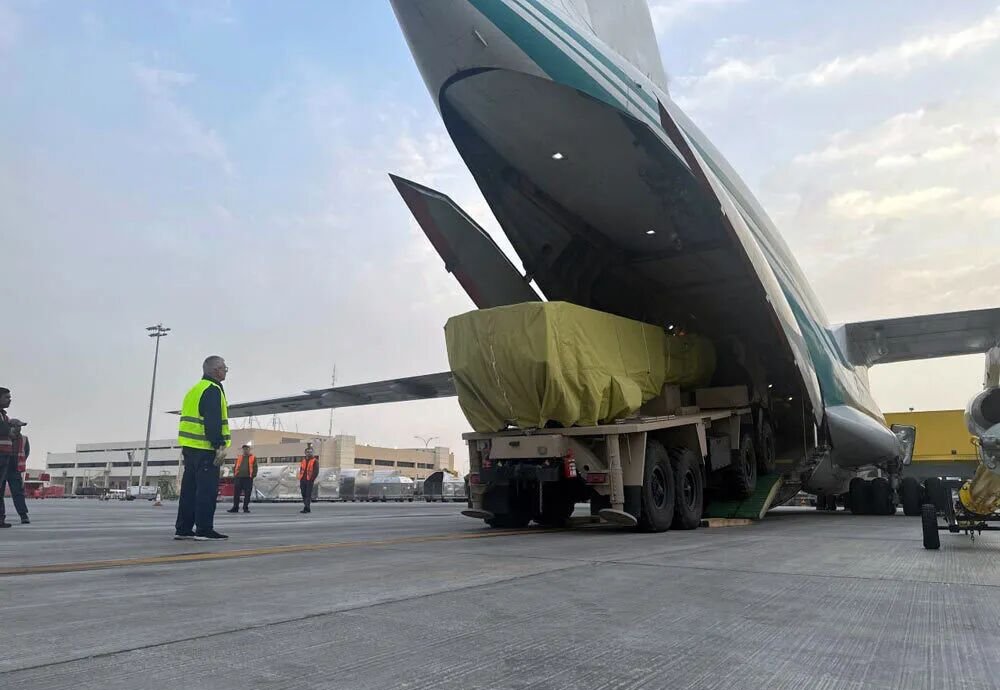
The Salma rocket artillery system employs a Kamaz-63501 8×8 tactical truck chassis, selected to reduce overall weight while maintaining off-road mobility. The Salma follows a conventional rocket artillery layout, with the engine and armored cabin positioned at the front of the vehicle and the launcher unit at the rear. The armored cabin provides protection against small arms fire and shell fragments and is equipped with an integrated NBC (Nuclear, Biological, Chemical) protection system, allowing the crew to perform all operations under armor. The crew consists of three members: the vehicle commander, driver, and operator.
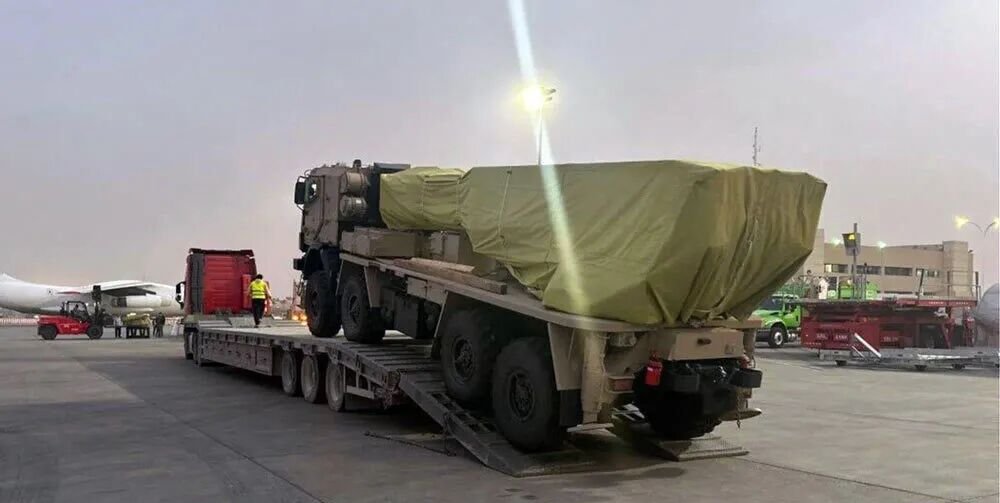
According to reports, the Salma rocket artillery system measures 11.2 meters in length, 2.5 meters in width, and 3.15 meters in height, with a ground clearance of 390mm. Its combat weight is approximately 24 tons, with a road speed of 90 kilometers per hour and a maximum range of 1000 kilometers.
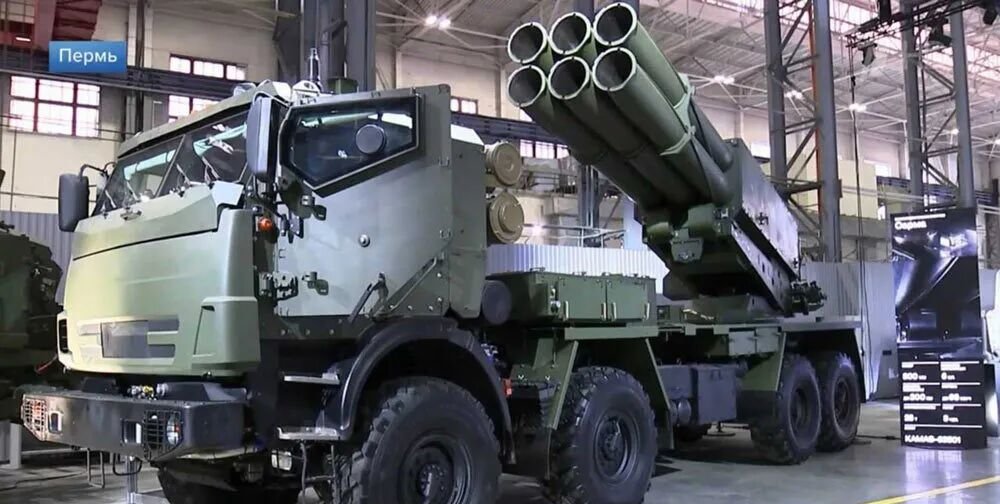
Vehicle equipment includes an automated fire control system integrated with inertial navigation, satellite positioning, digital maps, and secure communication. It can receive target data from reconnaissance aircraft and higher command headquarters, and process it directly within the vehicle. The automatic positioning, emitter calibration, and ballistic calculation functions enable rapid transition from march to firing status. The "shoot-and-scoot" tactic reduces the risk of being targeted by enemy counter-battery fire.
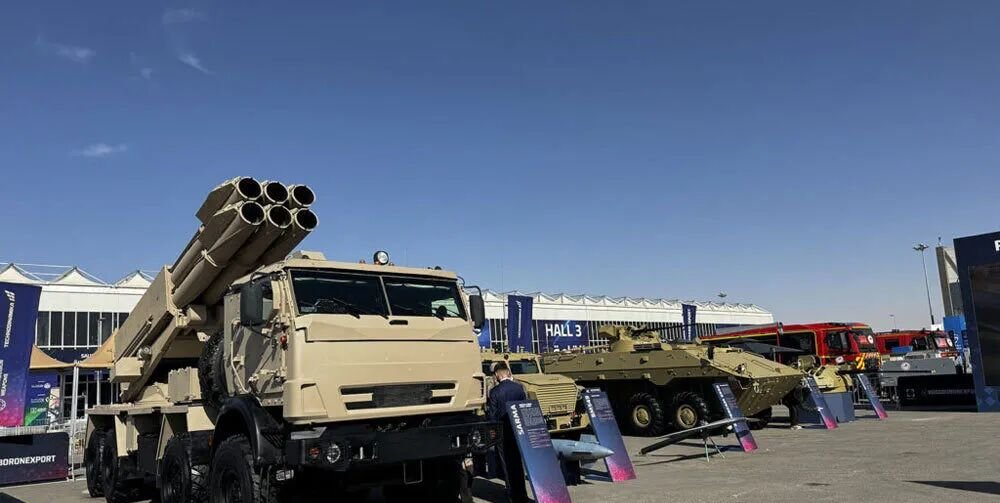
Salma serves as supplementary equipment for the Russian rocket artillery forces, rather than a replacement for the currently active heavy rocket artillery. Its more compact launcher, rapid firing capability, and compatibility with the active 300mm rockets all indicate that its design purpose focuses on striking time-sensitive targets and performing distributed strike missions near the front lines.