Britain and France plan to deploy troops to Ukraine; Europe simultaneously advances space-based systems and drone assistance to Ukraine.
09/01/2026
On January 6, 2026, at the Paris Willing Alliance Summit, European countries and Ukraine signed a statement of intent to deploy multinational forces to Ukraine after the war.
On month day, the Russia-Ukraine war has lasted for days.
Alternatively, stimulated by major events such as the global multipolarity movement, the U.S. raid to capture Venezuela's Maduro, the intensifying strategic rift between Europe and the U.S., and the expansion of Russia's winter offensive, Europe (particularly countries like the UK, France, and Germany) is expressing its stance with unprecedented clarity and decisiveness.
I. The United Kingdom, France, and other countries signed a statement on the deployment of multinational forces in Ukraine after the war.
On January 6, 2026, at the Élysée Palace in Paris, the Summit of the Coalition of the Willing was held. The United Kingdom, France, and other nations of the Coalition of the Willing signed a declaration of intent with Ukraine regarding the deployment of multinational forces to Ukraine after the war.
This statement consists of five parts.
The United Kingdom, France, and the voluntary coalition countries will assume the responsibility of strengthening the Armed Forces of Ukraine after the war, and will deploy multinational forces to assist and ensure security in the air, at sea, and on land.
Establish a coalition operations headquarters in Paris and set up a US-Ukraine-Coalition coordination group, led by the peace-initiating nation the United States, to oversee the ceasefire.
Providing military aid and support to Ukraine.
If Moscow attacks Ukraine in the future, provide binding commitments to Ukraine.
Long-term defense cooperation with Ukraine (a de-Americanized mini-NATO plan).
Unlike previous European conferences that were often characterized by empty talk, this meeting and its declaration have concretely confirmed the formation and deployment plans for multinational forces, and tentatively determined detailed information including troop deployment, numbers, specific types of weapons, and the necessary and effectively operational components of the armed forces.
Thus, each European country has a different division of labor and requires corresponding preparations.
Among them, Italian Prime Minister Meloni participated in the joint negotiations, stating that Italy will not send any ground troops to Ukraine, but supports Ukraine's post-war security strategy and provides economic assistance.
Swedish Prime Minister Kristersson stated that Sweden will assume responsibility for Ukraine's security after the war, provide assistance including Gripen fighter jets, support Ukraine in safeguarding its airspace, contribute resources for Black Sea mine clearance, and continue training Ukrainian military personnel.
Belgian Prime Minister Kvir pledges that once a ceasefire agreement is reached, Belgium will enhance its corresponding air and maritime capabilities in support of Ukraine.
French President Macron stated at the summit press conference that European partners are prepared to deploy a voluntary coalition force after a one-day ceasefire.
Undoubtedly, the statement of intent signed by voluntary coalition countries such as the United Kingdom and France with Ukraine, regarding the deployment of multinational forces after the war, delineates the bottom line for ensuring Ukraine's post-war security with strong and legally binding guarantees for Europe and Ukraine.
It is also an extension of the 28-point peace plan between the United States and Russia, the 20-point peace plan for Ukraine by the United States and Europe, as well as the European stance.
U.S. President's Special Representative Witkoff and U.S. President's son-in-law Kushner participated in this meeting.
The U.S. side confirmed that the talks have achieved significant progress in several key workflows, expressing agreement with the alliance's view that lasting security assurances and strong commitments to prosperity are essential for enduring peace in Ukraine.
The United States largely endorsed the European statement.
Therefore, on January 7, the delegations from the United States and Ukraine will continue to work on the basic framework for security guarantees and ending the war.
However, whether Moscow is willing to accept this statement truly adds a significant, dark period to the matter.
So, if Moscow absolutely disagrees, will Trump replay the old trick, siding with Moscow's stance, reneging and unilaterally extorting concessions from Ukraine, deliberately delaying the peace process in Ukraine.
The variables are too unpredictable; we might as well wait and see the outcome.
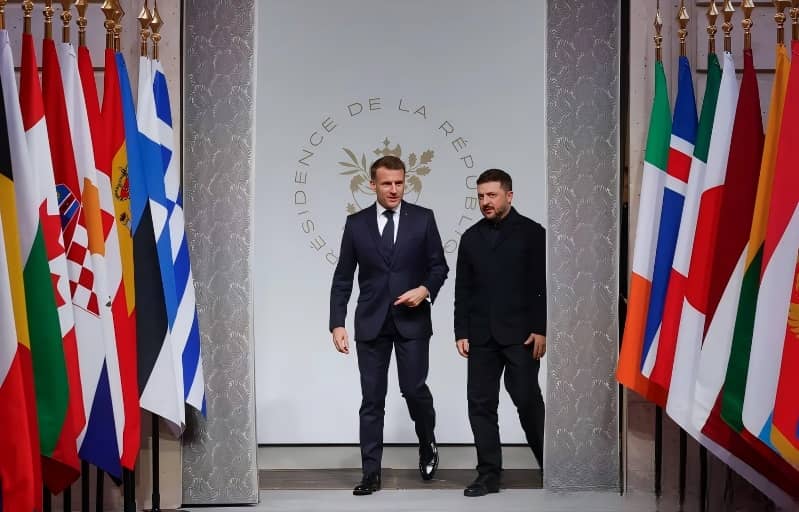
On January 6, at the Élysée Palace in Paris, the Summit of the Voluntary Coalition, Macron and Zelensky.
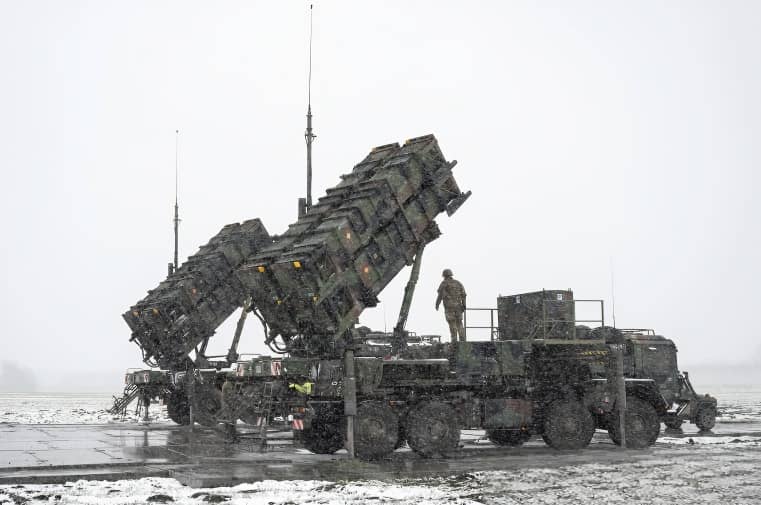
Deploying Patriot air defense systems at German military bases in Poland.
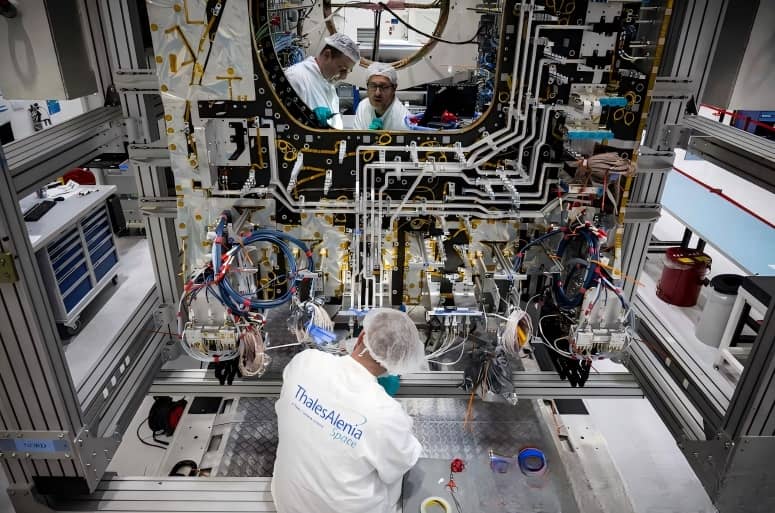
Toulouse, southwestern France, clean room of the Franco-Italian aerospace company Thales Alenia Space.
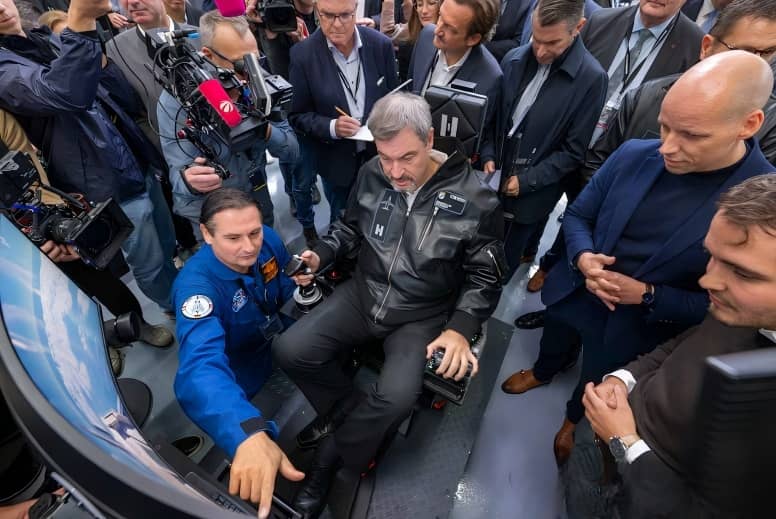
The Governor of Bavaria, Soder, is operating the artificial intelligence system Centaur Helsing AI combat simulator.
II. Europe is accelerating the layout and construction of de-Americanized and independent space-based resources and systems.
Undoubtedly, as introduced above, the signing of the statement on the deployment of multinational forces in Ukraine after the war by countries such as the UK and France clearly demonstrates Europe's stance. However, in an era where the global order is teetering on the brink of a jungle-like state, the impact of Europe's voice ultimately depends on its strength.
The key lies in whether Europe can quickly establish independent space-based resources and systems.
The Russia-Ukraine war has demonstrated in practice that any traditional mechanized warfare and long-range strategic operations are significantly influenced by high-tech combat.
Meanwhile, these high-tech warfare operations have a significant impact, primarily originating from space.
Space is a domain that is often overlooked by the general public yet is of critical importance. Gains and losses in this domain are closely linked to global communications, telecommunications, navigation, observation, scientific research, exploration activities, and national security, among others, directly and decisively impacting a nation’s military capabilities and strategic practices.
Undoubtedly, it is entirely different from the traditional arms race of building ships, cannons, tanks, and missiles to gain numerical superiority. In the context of modern high-tech warfare, competition in space and for resources has become the absolute core of the arms race among major powers, both now and in the future.
Previously, the space-based ISR resources and systems of NATO and Europe primarily relied on the United States.
This is also one of the main reasons why Ukraine's resistance has faced increasing pressure since the United States, under Trump, ceased its aid.
In the spring of that year, Trump cut off aid to Ukraine, leading to Ukraine's disastrous defeat in Kursk, which immediately drew concern and vigilance from leaders of several European countries.
Since then, with the ongoing significant strategic rift between Europe and the United States and the continuous rapprochement between Trump and Moscow, European countries have widely come to believe that excessive reliance on American space technology, resources, and intelligence constitutes a strategic vulnerability.
As stated by Mr. Shev, the head of Helsin Company in Germany, whether Europe can build an integrated space defense system will directly determine whether Europe can achieve victory in the struggle to maintain its sovereignty.
Thus, for Europe, the layout and construction of de-Americanized and independent space-based ISR resources and systems have become an urgent and indispensable strategic necessity.
Europeans are not the foolish individuals who, as commonly and confidently believed by Trump supporters, bite the hand that feeds them—that is, the United States. Since they are aware of this, they have long been meticulously and extensively planning their strategies.
According to information from the U.S. Navy official website in January 2026, as early as the late Biden White House era, Europe had already begun to secretly integrate related enterprises and establish its own independent space-based ISR resources and systems in response to traditional U.S. space development and competition from Musk's Starlink.
Among them, three major European companies—Airbus, Thales, and Leonardo—are integrating their respective space projects, space systems business, and space digitalization resources into a joint aerospace enterprise of super scale, employing tens of thousands of employees.
Meanwhile, these three companies are also intensively working to merge their respective missile businesses, aiming to establish a super missile enterprise.
US intelligence agencies have confirmed that the purpose of this joint enterprise is to enhance Europe's strategic autonomy in the space domain, and they believe it will officially commence operations in 2027, taking over nearly all of Europe's aerospace business.
Meanwhile, these three companies are also actively working to merge their respective missile businesses and jointly establish a new enterprise.
Additionally, the U.S. military network pays more attention to Germany.
2026, as Trump drives a strategic rift between Europe and the United States, Germany rapidly completes its decoupling and becomes the backbone of European security. Naturally, it is also advancing the deployment of space-based ISR resources and systems.
Among them, Kongsberg of Paris-Norway is also in close cooperation with companies such as Germany's Hensoldt (satellite system technology), Hensoldt (aperture radar and satellite sensor technology), Isar Aerospace (launch technology), and Kongsberg Satellite Services (ground communication networks and satellite data transmission technology).
Preparing to establish satellite facilities in Germany and build European autonomous defense capabilities.
Currently, the German-Paris-Norwegian joint venture has publicly announced that the surveillance, intelligence gathering, and targeting capabilities of sovereign nations are fundamental to building a reliable deterrence mechanism. It is imperative to provide Europe with a sovereign satellite system for space-based intelligence collection, surveillance, and targeting as soon as possible.
Europe is likely to establish an independent space-based ISR resource and system within the next 5-10 years. Based on current numerous sources and references from U.S. materials, Europe indeed possesses abundant funding and technology. It is highly probable that by 2027-2029, Europe will achieve its foundational goals and become a key player in global space-based ISR resources and systems.
Thus, at the crossroads of the jungle era where force and war can alter the current state of nations, it is also the fortune of the Ukrainians.
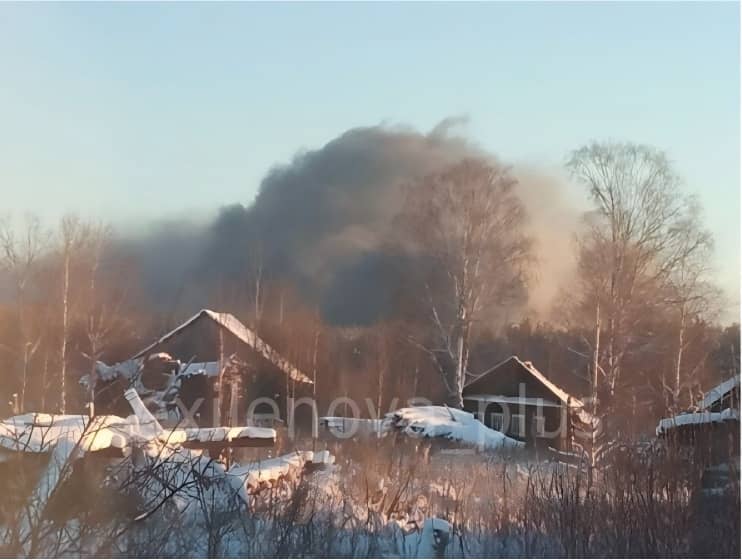
On the day of the month, Ukraine attacked a Russian super arsenal, the Kostroma region's Neya missile and artillery plant, with the explosion's mushroom cloud captured from kilometers away.
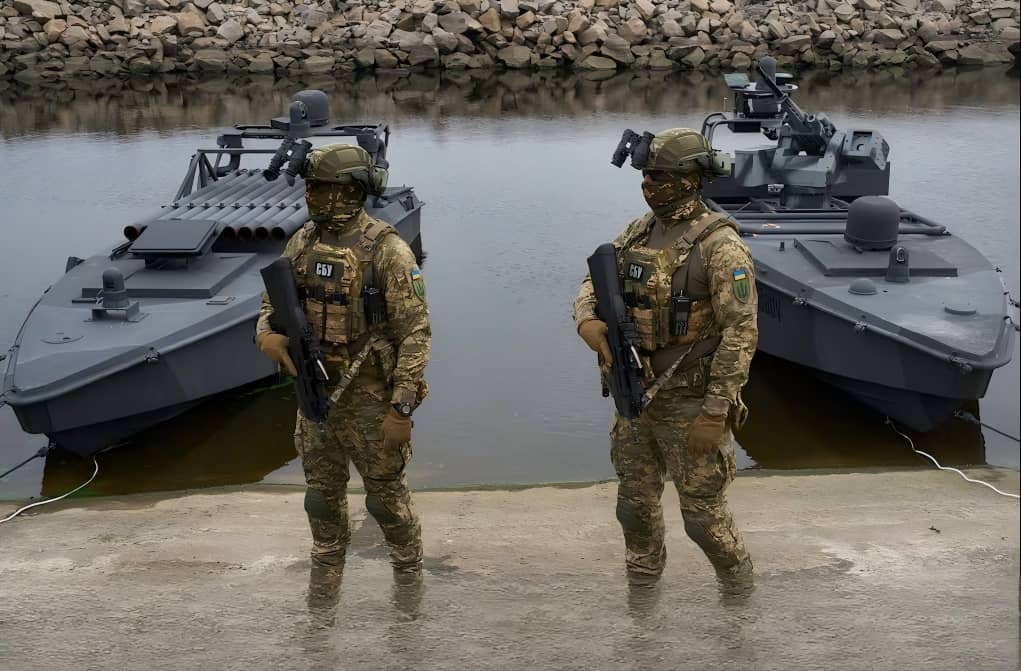
In a certain location in Ukraine, members of the Ukrainian Security Service are operating the Sea Baby unmanned aerial vehicle.
III. Europe Continues to Increase Assistance to Ukraine to Enhance Drone Cooperative Combat Capabilities
Between the months of [year] on the official U.S. military website, multiple articles were published specifically discussing Europe's assistance to Ukraine in drone warfare.
Among them, the joint venture between Germany and Ukraine, Quantum Frontline Industries, stands out as the most typical example.
In fact, since the outbreak of the war, among the many European defense cooperation projects organized by the UK to form a drone aid alliance for Ukraine, some German defense companies have consistently participated in drone assistance programs for Ukraine. However, the scale has been very limited, primarily focused on critical combat operations and thus has remained largely under the radar.
Germany and Ukraine jointly establish a quantum frontier industry, creating a large-scale military-industrial enterprise built by Germany within its territory exclusively for the needs of the Ukraine war. It can produce 10,000 specialized tactical drones per year, designed for anti-electronic interference and integrating combat, reconnaissance, and command functions.
The unique aspect of the German-style drone lies in its autonomous and intelligent capabilities, enabling it to independently complete complex combat missions while resisting electronic warfare. It will be deployed across multiple Ukrainian military combat units during the year, primarily for tasks such as target locking, adjusting artillery firing parameters, and transmitting data required for combat planning, including coordinates. This has the potential to exert a strategic impact on frontline operations in Ukraine.
In short, these drones are tactical mini-satellites on the Ukrainian battlefield.
Able to seize every opportunity to guide firepower strikes against any weak points along the extensive Russian front lines.
Previously, on December 15, 2025, Ukraine released a combat report on the destruction of a Russian military submarine, specifically detailing that the Sea Baby unmanned surface vessel undertook this mission. The Sea Baby unmanned surface vessel is a typical autonomous intelligent drone.
According to the introduction on the U.S. Navy website's tweet, it is precisely due to the special capabilities of the Sea Baby unmanned vessel—such as preset targets and combat missions—that it can independently and flexibly choose combat directions and tasks in extremely complex operational environments, relying on its own intelligent control system.
Ultimately, after a long-distance raid and bypassing the multiple layers of security around the Russian naval base, they made several turns in a narrow space, finally attacked the target, and completed the mission.
This was a purely strategic decapitation strike aimed at hitting someone in the face.
Therefore, to keep Moscow continuously covering its face in confusion, Ukraine has maintained a high level of secrecy regarding the technology and manufacturers of the Sea Baby unmanned surface vessels up to now.