U.S. Military Main Battle Tank Prototype Delivered: Ushering in a New Era of Fifth-Generation Armored Warfare
09/01/2026
According to a report on the War Zone website dated [year] [month] [day], based on information released by the U.S. Army through its official social media account on [year] [month] [day], the U.S. Army has officially received and is about to begin testing the first early technology prototype of its next-generation main battle tank. This marks a substantial step forward in the U.S. Army’s main battle tank modernization program.
The delivery of this prototype vehicle was significantly ahead of the expected schedule. The Army had previously anticipated that the first prototype would not be available until the end of the year, but the contractor, Roush Company, completed its manufacturing and delivered it to the Army in [Month] [Year]. The tank project aims to develop a fifth-generation main battle tank that is better suited for future high-intensity confrontation environments, thereby concluding the technical path of .
Appearance Design: Multiple Breakthroughs from the Current Series Style
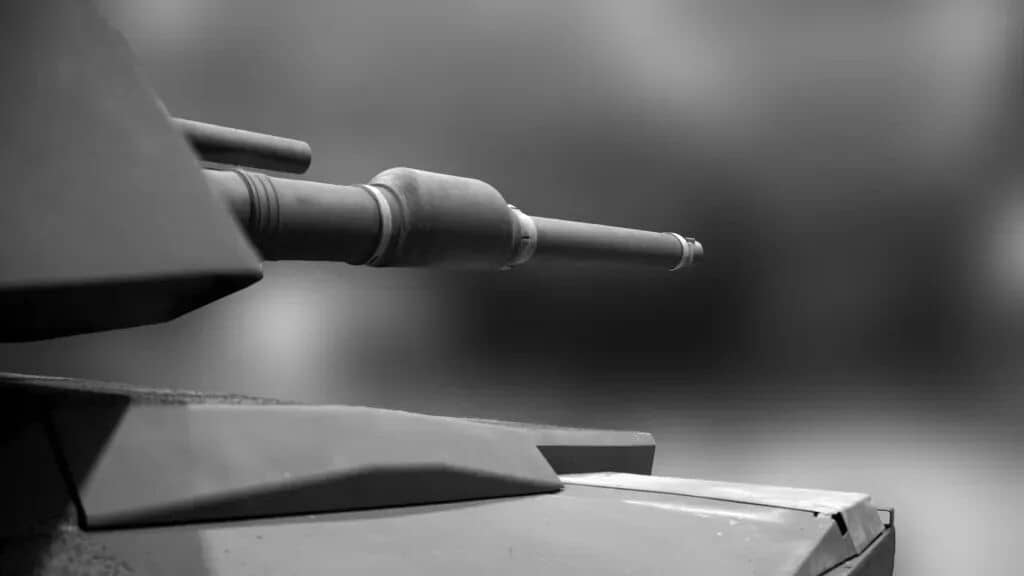
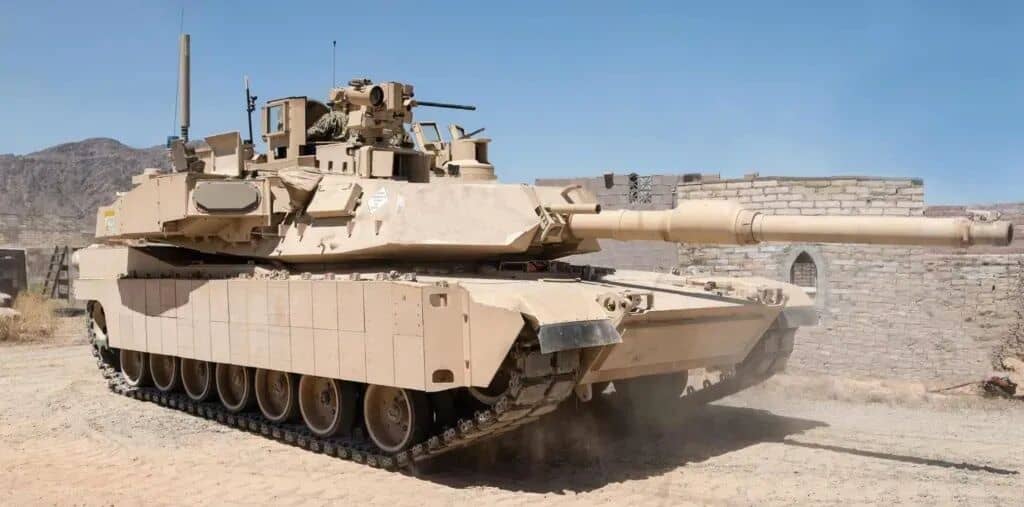
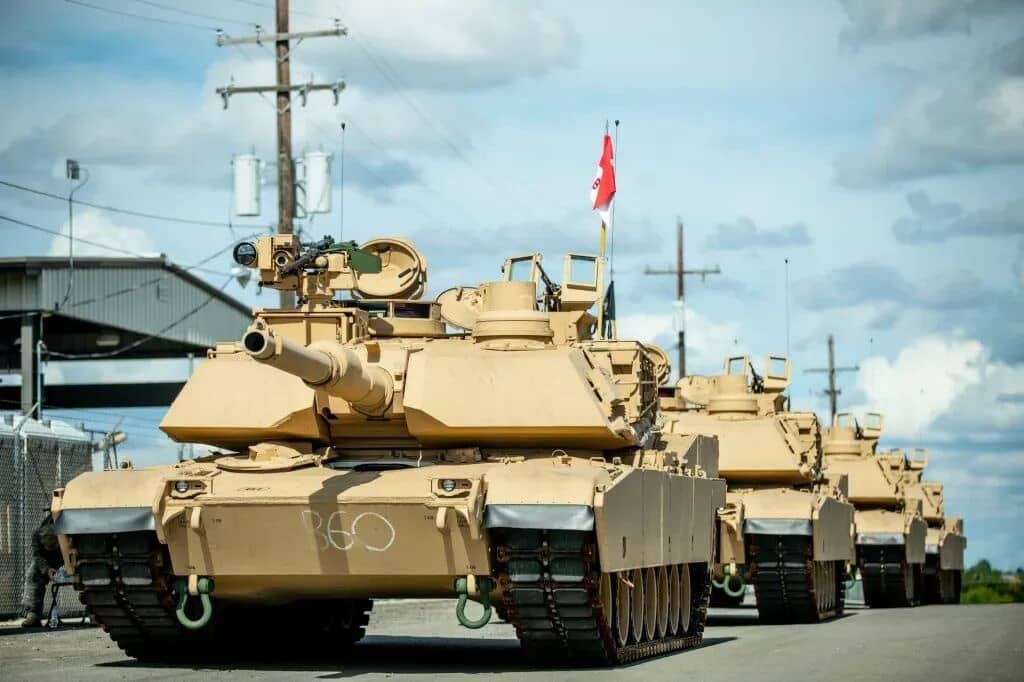
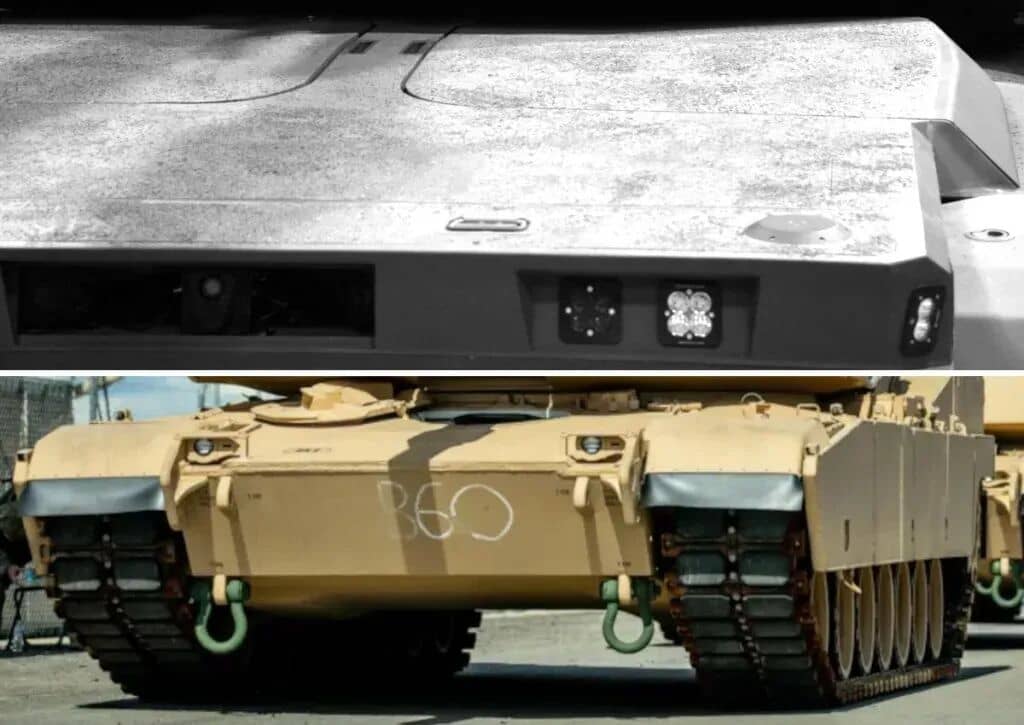
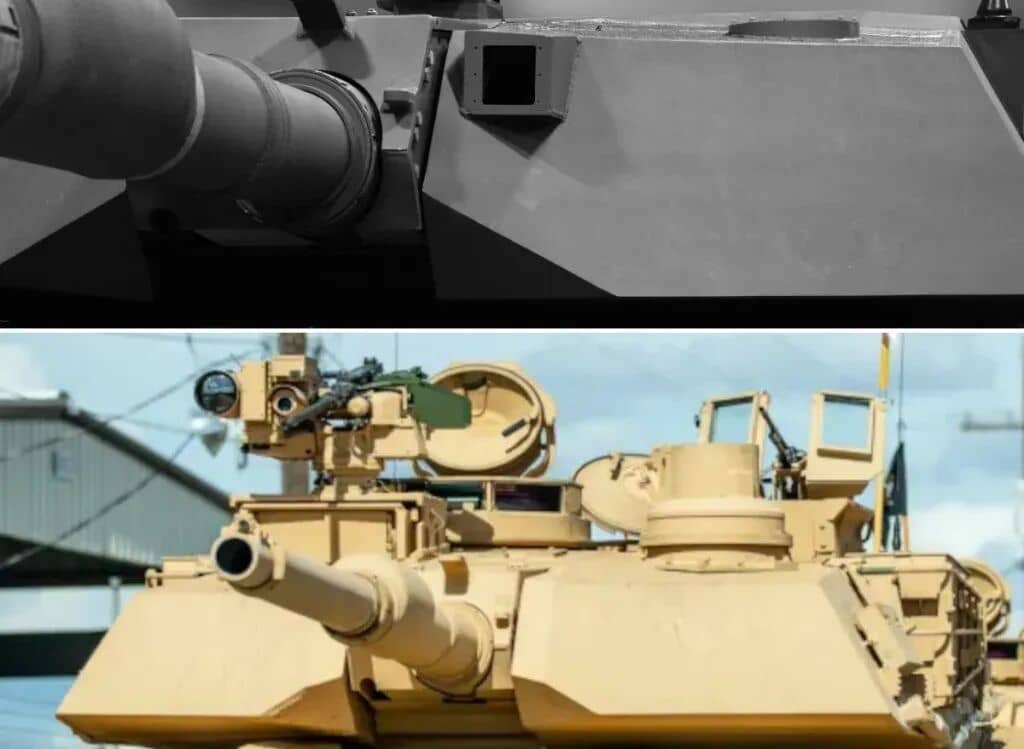
From the limited images of two prototype vehicles released by the U.S. Army, several differences in appearance design can be observed between the early prototype and the current series of tanks. The turret shares some similarities in contour with existing turrets, while potentially featuring a lower overall profile. A protruding sensor window, not present in the current series of tanks, is located on the left side of the turret shield. The main gun appears similar to the millimeter main gun equipped on the current tanks, though the Army has not ruled out the possibility of introducing a larger caliber or more advanced main gun in subsequent development. Changes to the hull are more pronounced, with the images showing two prominent hatches, which differ significantly from the single driver’s hatch design of current models. Additionally, what appear to be cameras for a distributed vision system and new lighting equipment are observed on the hull. The overall design of the vehicle is notably distinct from the Abrams technology demonstrator showcased by General Dynamics Land Systems in 2023.
Core Objective: Significantly Reduce Weight to Enhance Mobility and Transport Capability
The U.S. Army has explicitly stated that one of the core design objectives is to significantly reduce the overall weight. For a long time, weight growth has been a major issue facing the Abrams family, with the latest combat weight having climbed to approximately tons. The U.S. Army aims to reduce the weight to around tons by implementing a series of weight reduction measures. These may include adopting a lower-profile turret design, reconfiguring crew layouts, utilizing advanced materials, and optimizing armor architecture. The weight reduction is intended to enhance the tank's strategic and tactical transportability while improving its mobility.
Power and Firepower: Hybrid System + Autoloader Innovation
In terms of the propulsion system, a brand-new hybrid electric drive system will be adopted instead of a fully electric one, due to the lack of charging facilities in actual battlefield environments. The primary purpose of employing a hybrid system is to significantly improve fuel efficiency, with an expected increase in fuel economy of approximately % to % compared to existing gas turbine power packages. This not only helps reduce the burden of logistical fuel supply and extend the combat range but also effectively lowers the thermal and acoustic signatures of the tank, thereby enhancing battlefield survivability. The U.S. Army has officially confirmed that it will be equipped with an autoloader, reducing the tank crew from the traditional four (commander, gunner, loader, driver) to three, eliminating the legacy "loader" role. The crew may all be positioned inside the hull or adopt other new layouts. It is also expected to expand its capability to integrate and launch loitering munitions, while considering the inclusion of more advanced ammunition, such as hypersonic shells or gun-launched anti-tank missiles.
Protection and Informatization: Integrated + Networked Combat Capability
The U.S. Army plans to integrate a more advanced Active Protection System (APS) into the M1E3, rather than adding the Trophy system as an additional kit like on the M1A2 tank. The integrated APS is lighter, more efficient, and better integrated with the tank's physical structure and electrical system. Drawing from recent battlefield experience, it is designed to counter threats including anti-tank missiles, rockets, as well as drones and loitering munitions, with a particular emphasis on defending against top-attack munitions. The M1E3 will emphasize advanced software integration and networked warfare capabilities, adhering to modular open system architecture standards to enable rapid insertion of new technologies and upgrades in the future. The tank will feature robust digital connectivity, aiming to serve as a key node in manned-unmanned teaming systems, capable of directly exchanging data with drones, other ground vehicles, and the broader battlefield network. The onboard artificial intelligence system is expected to be used for threat warning, target prioritization, and firepower allocation assistance, thereby enhancing the speed and effectiveness of combat decision-making.
Project Background: Accelerate Equipment Deployment to Address Great Power Competition and Rectify Acquisition Malpractices
The U.S. Army is accelerating the M1E3 project and publicly showcasing its early prototype vehicle, indicating a strong need to address the complex threat environment posed by major-power armies through technological means. Senior U.S. Army officials have explicitly criticized the previously lengthy and overly risk-averse acquisition approach, advocating instead for responsible risk-taking. By leveraging rapid prototyping, digital engineering, and early soldier feedback loops, they aim to significantly shorten the timeline from development to fielding. The M1E3 project is scheduled to begin testing in early 2026, with expectations for the new variant to enter service within 24 to 30 months—far faster than traditional cycles. The successful development and fielding of the M1E3 will substantially enhance the U.S. Army’s heavy armored forces in terms of mobile combat capability, sustained operational capacity, and survivability, ensuring technological superiority in high-intensity conflicts in the 2030s and beyond. However, I remain skeptical that this tank can be delivered within 2 years—delaying projects for several years is typical of the U.S. military’s approach!