-The "Little Bird" helicopter interception of a Russian oil tanker incident: highlighting the unique value of special operations
09/01/2026
- The Full Story of the "Little Bird" Helicopter's Involvement in the Interception of a Russian Oil Tanker
Recently, an MH-6 Little Bird helicopter participated in the operation to intercept the Russian oil tanker Marinella.
An MH-6 Little Bird light helicopter flying over the sea.
Confusingly, the oil tanker was already hundreds of kilometers away from the nearest land, while the MH-6 Little Bird is a relatively small special operations helicopter that cannot be refueled in the air and has a short range. However, its compact size and strong transport capability mean it can appear almost anywhere. It is precisely these advantages that have long made it a favorite of the U.S. Army's most elite 160th Special Operations Aviation Regiment, the "Night Stalkers."
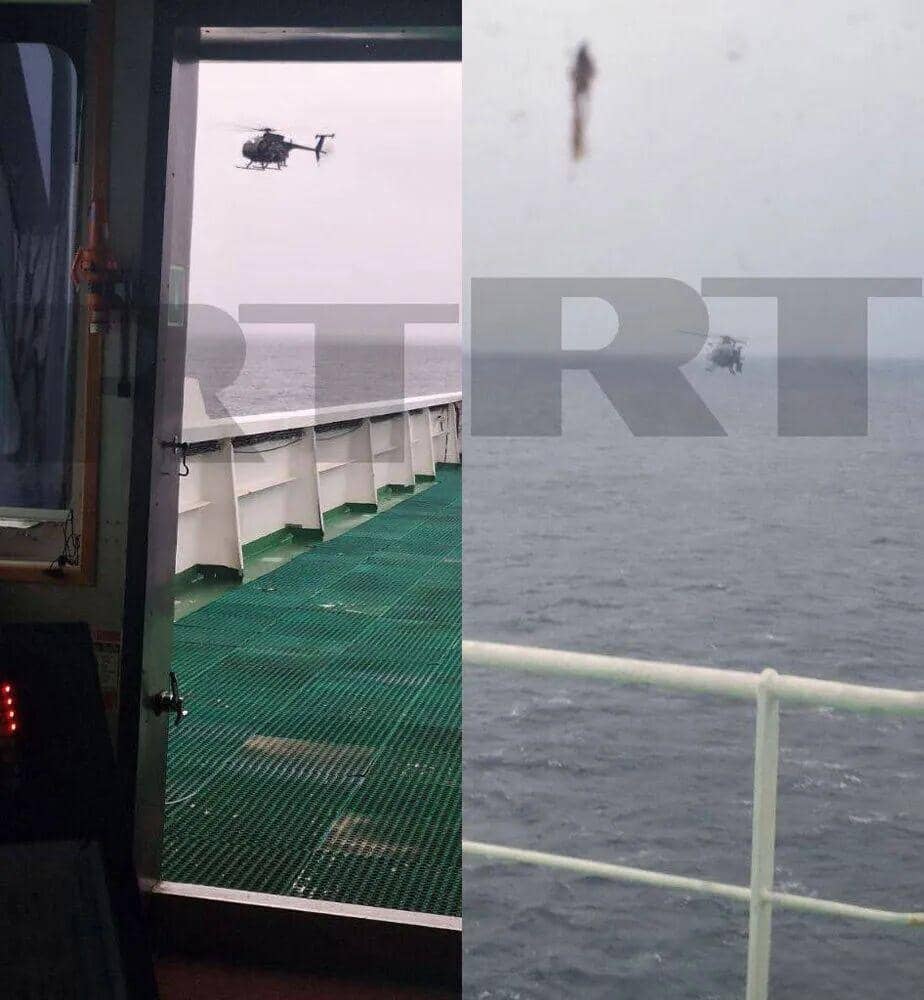
Images released by Russian media show the MH-6 Little Bird helicopter.
Russian news outlet RT was the first to release images allegedly taken from the deck of the Russian-flagged vessel Maranella, showing at least one MH-6 Little Bird helicopter approaching the ship. Fox News and CBS News reported that helicopters from the U.S. Army's 160th Special Operations Aviation Regiment delivered Navy SEALs onto the ship while it was sailing in the North Atlantic.
Relevant media have been striving to confirm whether the MH-6 Little Bird helicopter participated in this operation, along with other related details. Previously, there were reports indicating that the United States attempted to seize this oil tanker, which was once known as Bella 1. At the same time, media have observed that U.S. aviation forces, particularly various special operations units, are pouring into the United Kingdom. Over the past week, the 160th Special Operations Aviation Regiment has achieved significant accomplishments, including involvement in the operation to capture Venezuelan President Nicolás Maduro on January 3.
-/-The core configuration and mission adaptability of the "Bird" helicopter
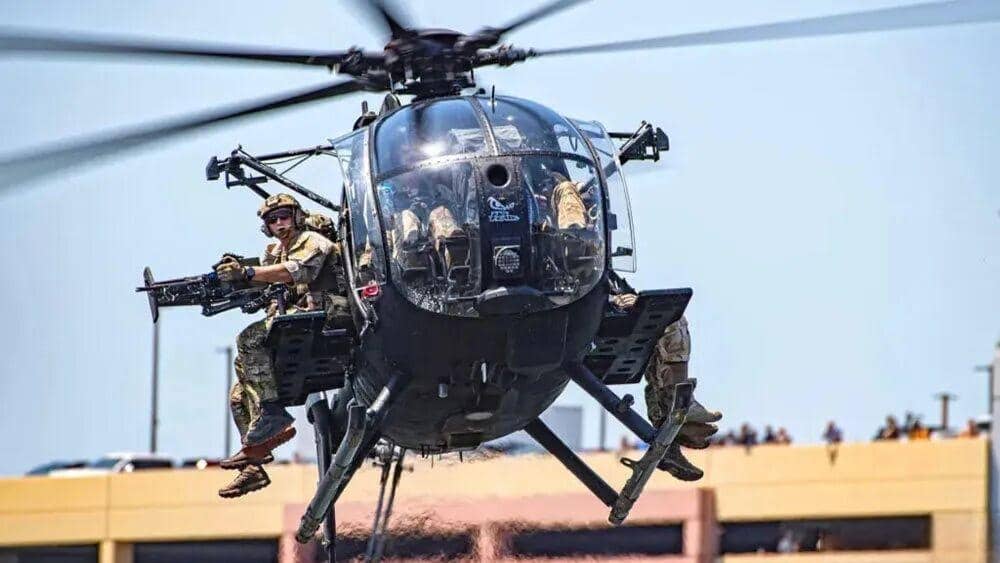 MH-6 Little Bird Helicopter.
The 160th Special Operations Aviation Regiment currently operates a fleet of helicopters produced by Boeing, officially designated as the Mission Enhanced Little Bird (MELB). These MELBs have undergone extensive modifications, equipped with specially designed avionics to enhance their capabilities in complex environments and during ultra-low-altitude night flights. They are also outfitted with defense systems and other equipment aimed at improving the survivability of these helicopters.
MELB can be quickly converted to either MH-6 or AH-6 configuration based on mission requirements. The MH-6 is known as the assault configuration, featuring benches on both sides for special forces personnel to ride on. The helicopter can land to deploy special forces or use the Fast Rope Insertion/Extraction System (FRIES) to rappel personnel to the target location.
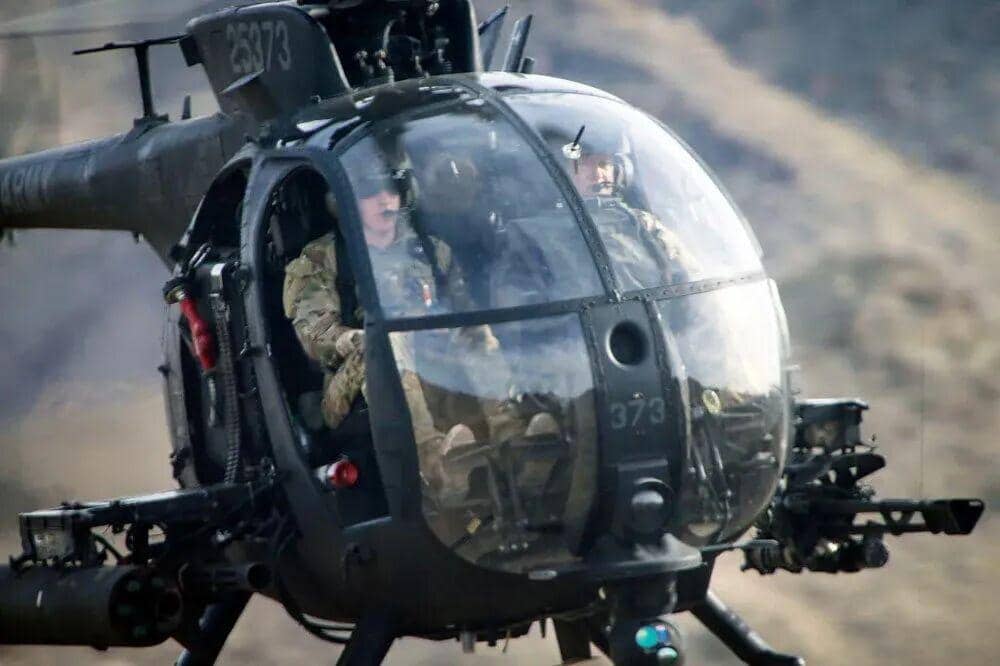
AH-6 Armed Helicopter, with Gatling machine guns, rocket pods, and Hellfire missiles mounted on both sides of the fuselage.
The AH-6 is a light armed helicopter configuration, which replaces the bench with short wings for mounting weapons and ammunition, enabling the helicopter to carry a variety of armaments including Gatling guns, Hellfire missiles, and 70mm rockets.
The Mystery of the "Little Bird" Helicopter's Range and Its Potential for Maritime Deployment
The departure point for the Little Bird helicopters involved in the interception of the Marinella remains unknown. As mentioned earlier, the AH/MH-6 Little Bird helicopters of the 160th Special Operations Aviation Regiment are incapable of aerial refueling, which results in a relatively limited range—according to official data from the U.S. Special Operations Command's 2025 edition of the *Fact Book*, the aircraft's range is 400 kilometers. The Little Bird helicopters of the 160th Special Operations Aviation Regiment can be equipped with various types of auxiliary fuel tanks to extend their range. Even so, whether they could have flown from a land-based location in the region to reach the tanker remains questionable. It seems unlikely, especially considering that special forces were strapped to the benches on both sides of the fuselage.
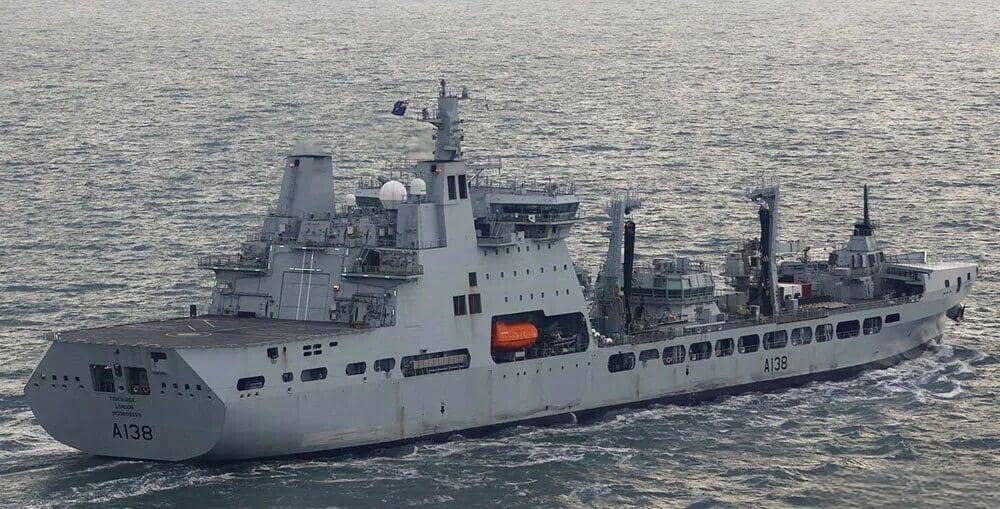
HMS Surge Tide Replenishment Vessel.
As previously mentioned, the MH-6 Little Bird helicopters were more likely launched from the flight decks of vessels involved in this operation, including the U.S. Coast Guard's Legend-class patrol cutters and the Royal Navy's Tide-class replenishment tanker, RFA Tiderace. These Little Bird helicopters had likely been deployed aboard the U.S. Coast Guard patrol cutters for a considerable period prior to the interception operation, and the 160th Special Operations Aviation Regiment had previously conducted training for similar missions.
The combat flexibility of the "Little Bird" helicopter: Multi-scenario adaptability
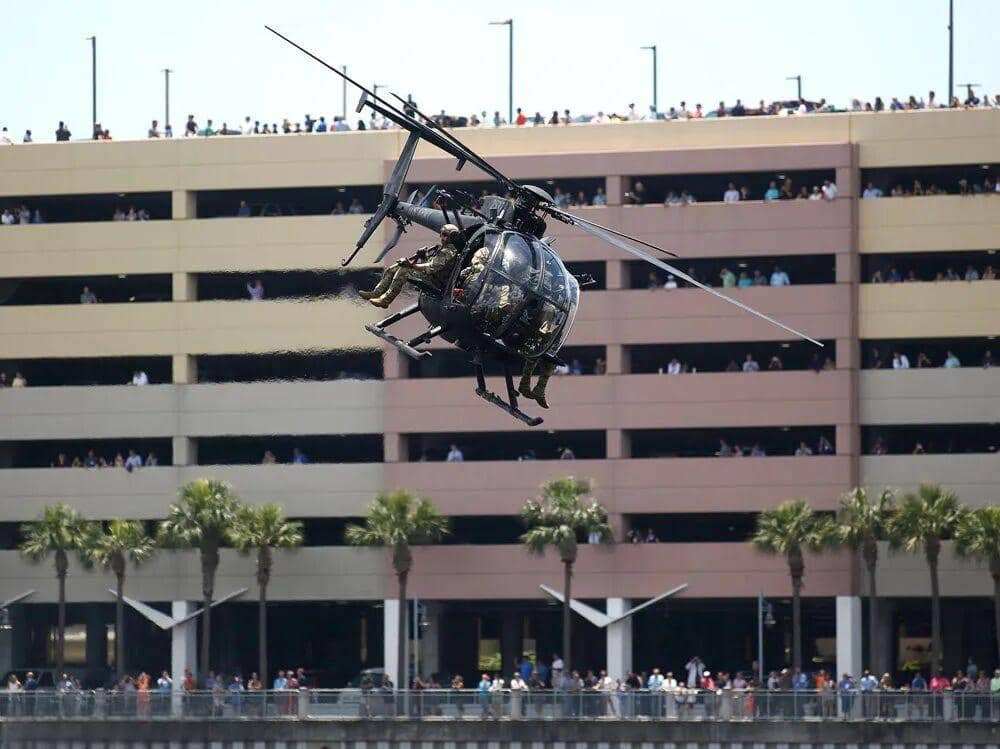
The MH-6 Little Bird helicopter performing during Special Forces Week.
Regardless, this tanker interception operation highlights the unique operational independence and flexibility of the 160th Special Operations Aviation Regiment's Little Bird helicopters.
At the 2025 Special Forces Week conference, Paul Kailand, the AH/MH-6 helicopter product manager at the U.S. Special Operations Command Rotary Wing Program Executive Office (PEO-RW), stated to the media: It is your street fighter. When special operations forces want to reach your doorstep, they use this helicopter. These helicopters provide precision strike capabilities, enabling surgical precision attacks.
MH-6 Little Bird over the streets of Los Angeles
The Night Stalkers' Little Bird helicopters are highly maneuverable and adept at taking off and landing in narrow spaces inaccessible to other helicopters. They are frequently seen deploying commandos near buildings, touching down in extremely confined clearings, and even flying over the streets of bustling cities.
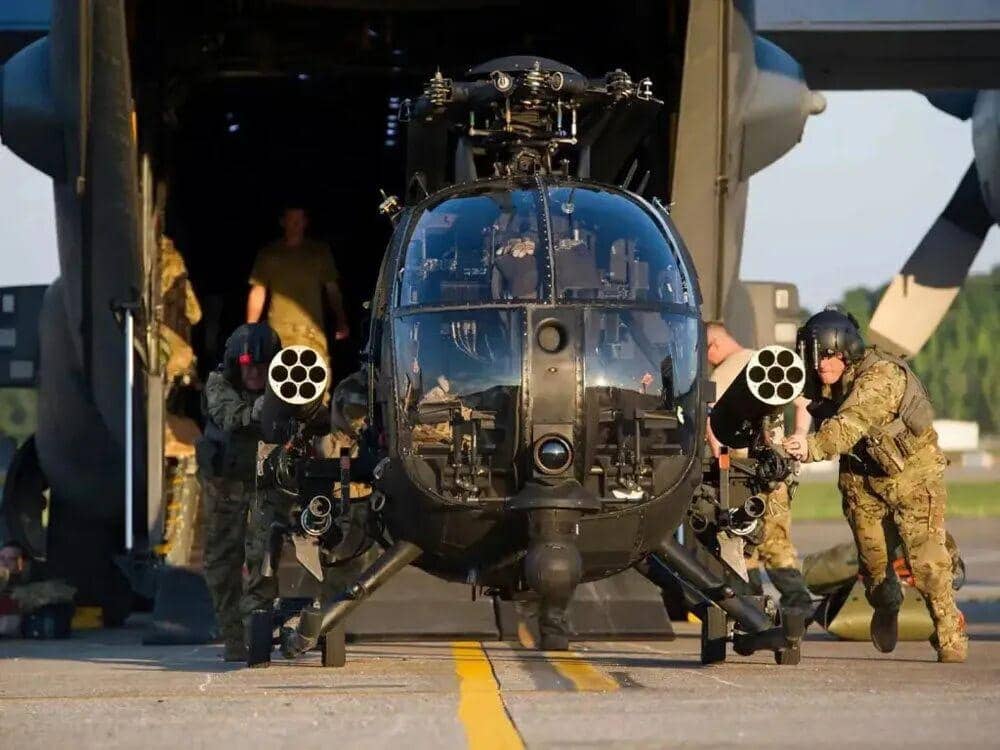
Special Forces personnel push the AH-6 Little Bird out of the MC-130J tanker transport aircraft.
Although the /- helicopter has a limited combat radius on its own, its compact design allows fixed-wing transport aircraft to carry a significant number of these helicopters in a single trip. The U.S. Air Force Special Operations Command's - refueling transport aircraft can carry two /- helicopters in a ready-to-fly state at once, while larger - transport aircraft can carry at least five in a single mission. These helicopters are equipped with folding rotors and other specialized features, enabling ground crews to quickly unload them from the transport aircraft and put them into immediate operation. The entire process takes only a few minutes, compared to the several hours required for other helicopters.
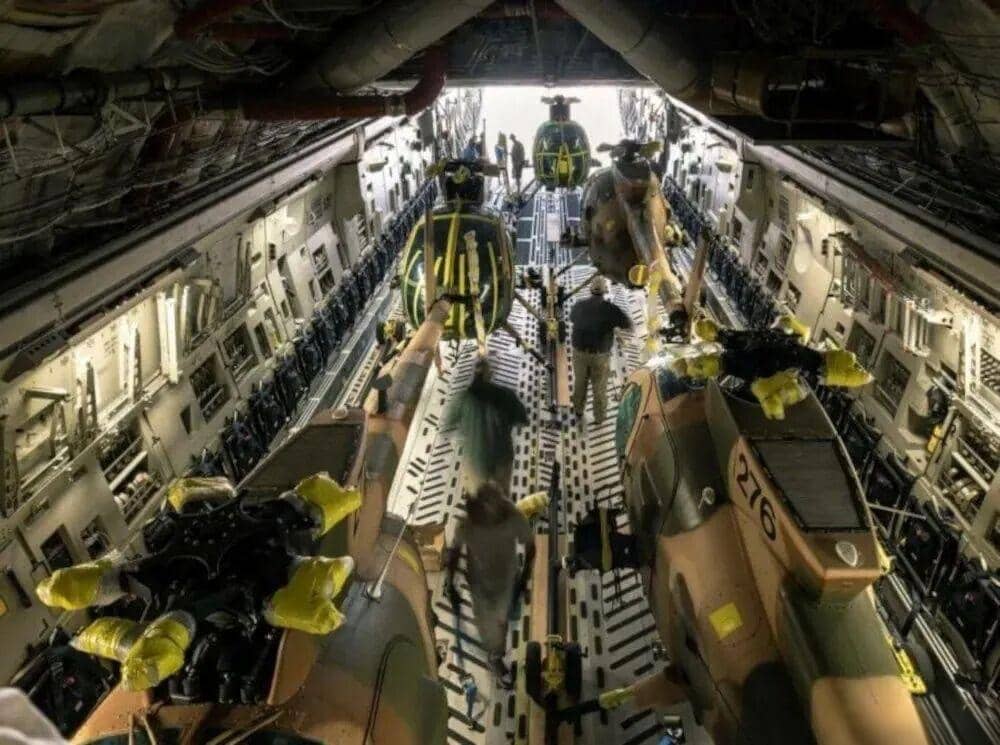
This photo shows a C-17 capable of transporting five MH-6 Little Bird helicopters. The helicopter in the photo is the MD 530F, originally intended for delivery to the Afghan Air Force. This aircraft is similar to the AH/MH-6 helicopters in many aspects, but there are significant differences in the onboard equipment.
Fixed-wing transport aircraft can deliver AH/MH-6 Little Bird helicopters thousands of kilometers away, directly reaching forward operating bases closer to the target area. Such forward bases may have relatively basic infrastructure, or even none at all. Compared to the MH-60M Black Hawk and MH-47G Chinook operated by the 160th Special Operations Aviation Regiment, the AH-6/MH-6 Little Bird helicopters have significantly lower fuel and logistical support requirements. Therefore, after arriving at forward bases, they possess stronger independent operational capabilities and can sustain operations for longer periods. Of course, AH-6/MH-6 helicopters also frequently operate in highly integrated, seamless mixed formations with other Night Stalker helicopter units and conduct limited joint operations with other U.S. military aircraft.
Maritime Combat Traditions and Covert Deployment Tactics: The Unique Advantages of the "Little Bird"
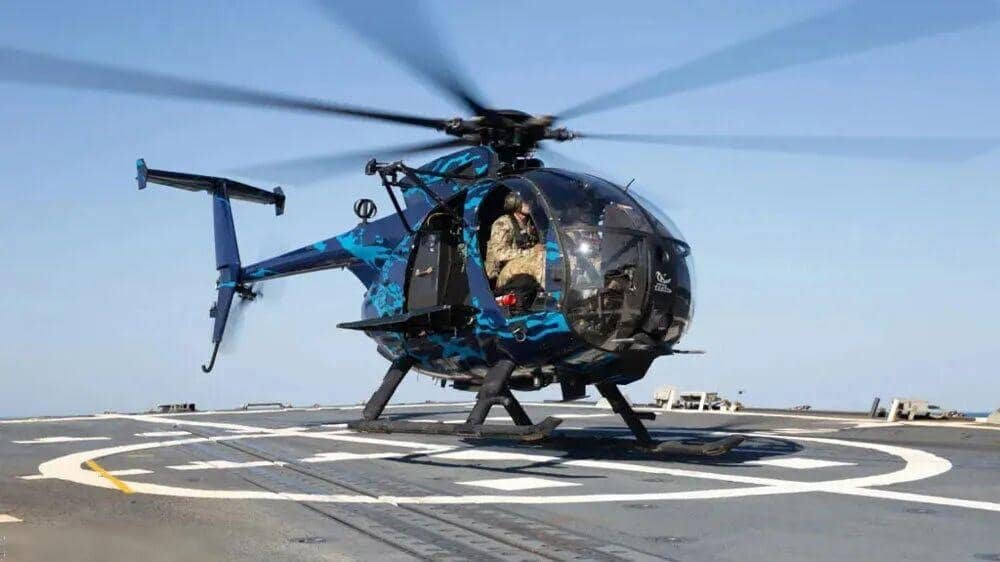
An - helicopter from the Special Operations Aviation Regiment adopted blue camouflage.
The advantages of the AH-6/MH-6 are applicable not only to ships and land bases but also to naval warfare. Compared to most other helicopters currently in service with the U.S. military, the AH-6/MH-6 require significantly less deck space and can be stored in hangars originally designed for larger helicopters, or even in ordinary cargo holds. They can also be directly secured to designated areas on the ship's deck, requiring only sufficient space for takeoff. This enables them to operate from virtually an unlimited number of vessels, greatly enhancing the operational flexibility of the Little Bird and potentially posing significant challenges to adversaries.
During the so-called Tanker War in the Iran-Iraq conflict of the 1980s, it was widely known that small helicopters operated from U.S. naval vessels and barges converted into sea-based platforms. In that operation, the conventional U.S. Army units replaced these Little Bird helicopters with their newly equipped AH-58 Kiowa Warrior armed reconnaissance helicopters. In 2025, after the appearance of an AH/MH-6 helicopter painted in blue camouflage, we once explored in detail the unique value of the AH/MH-6 helicopters from the 160th Special Operations Aviation Regiment in maritime operations.
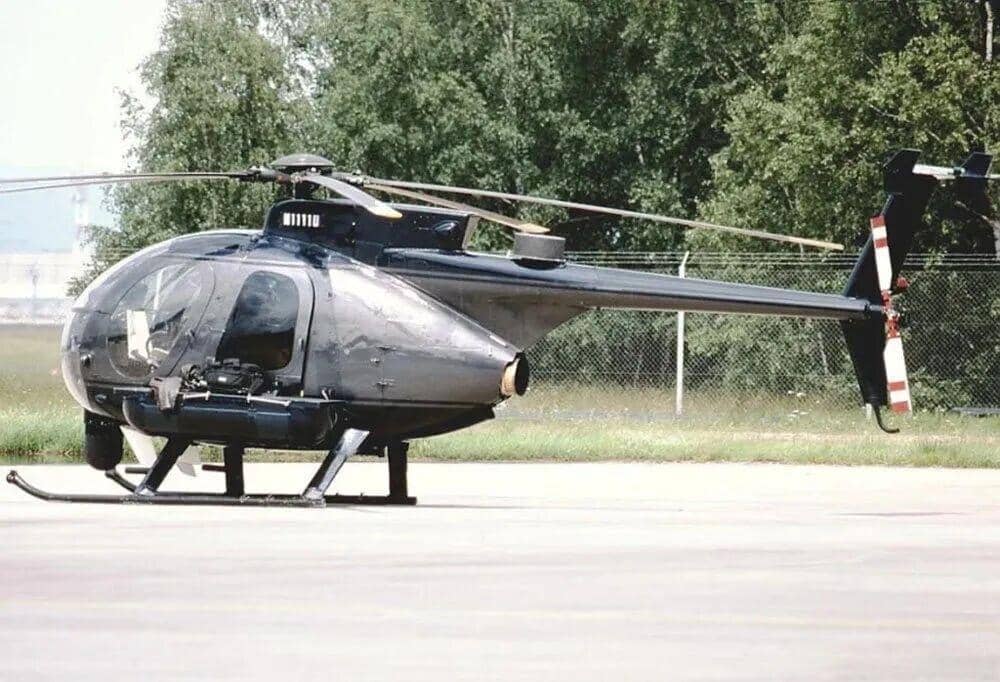
In 1987, a mysteriously painted small reconnaissance aircraft with civilian markings was discovered at Frankfurt Airport in West Germany, and it was linked to U.S. special forces and intelligence agencies.
All these factors make the use of the Little Bird helicopter more covert, allowing it to be more easily concealed even after deployment. Reports indicate that the tactics and techniques of the 160th Special Operations Aviation Regiment also include transporting helicopters to the front lines by hiding them in civilian trucks.
U.S. Special Operations Forces and intelligence agencies have long used the Little Bird series of helicopters for covert missions. After adopting non-military paint schemes, these helicopters can even blend into public environments to a certain extent. Various models of the Little Bird series are widely used in civilian and commercial sectors worldwide. In the 1980s, the aircraft gained fame for its appearance in the popular American TV series "Magnum, P.I."
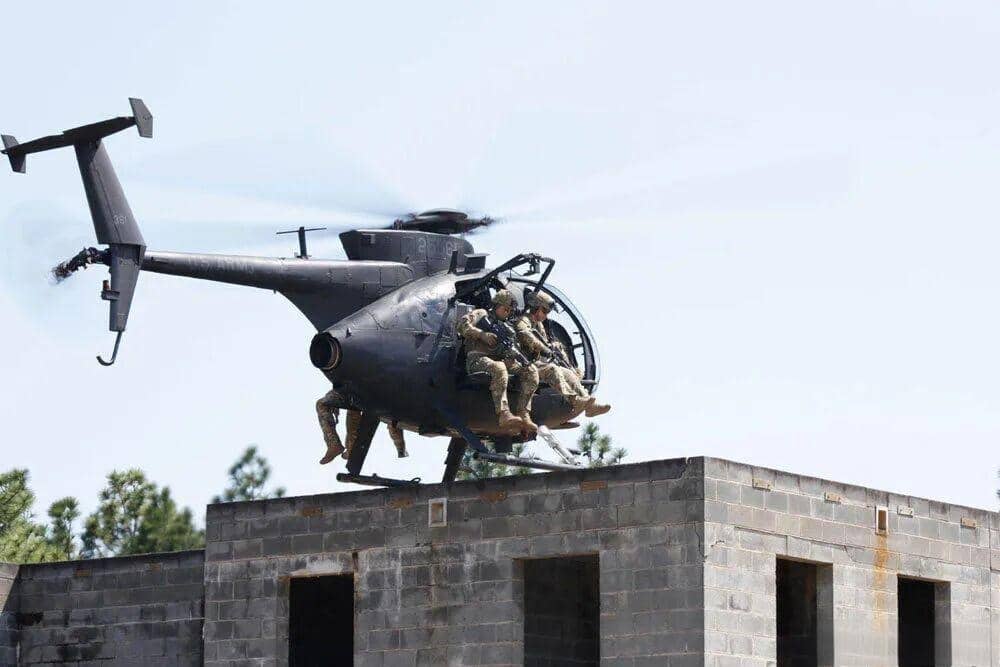
MH-6 Little Bird can transport special forces to areas close to the target.
In the 2015 book "Ruthless Strike," author Sean Naylor recounts an anecdote related to the Little Bird helicopter, which was closely tied to a planned covert operation to infiltrate Laos and rescue Americans captured during the Vietnam War, though the mission was ultimately canceled. He wrote:
The Joint Special Operations Command (JSOC) conducted extensive rehearsals in Hawaii for this mission. The mission involved a task force departing from Tinian Island in the Northern Mariana Islands in the Pacific, using an overgrown abandoned U.S. military airfield in Thailand as a forward staging area. After securing the airfield, a C-5 subsequently landed, carrying JSOC's specially designed 'Trojan Horses': white civilian eighteen-wheel trucks, each concealing two AH-6 'Little Bird' helicopters from TF 160 (a nickname for the 160th Special Operations Aviation Regiment) with their rotors folded. While Delta Force advanced overland toward the prisoner-of-war camp, TF 160 personnel drove the trucks close to the Laos border, then stopped and took off in the helicopters. TF 160 retained this rare tactic, known within JSOC as 'Smokey and the Bandit,' a name derived from the 1977 trucker comedy film starring Burt Reynolds.
In the film, the male lead consistently utilizes this technology, which offers a covert method to deliver lethal weapons close to the target. A veteran from Task Force 160 explained that their unit has its own trucks, stating, "Our team members are all trained and even hold truck driving licenses. With just a few days of welding work, we can acquire suitable vehicles locally. Before takeoff, the crew unloads the helicopter from the rear of the truck, and it can be airborne within three minutes. You must undergo extremely rigorous training, but it is undoubtedly an incredible capability."
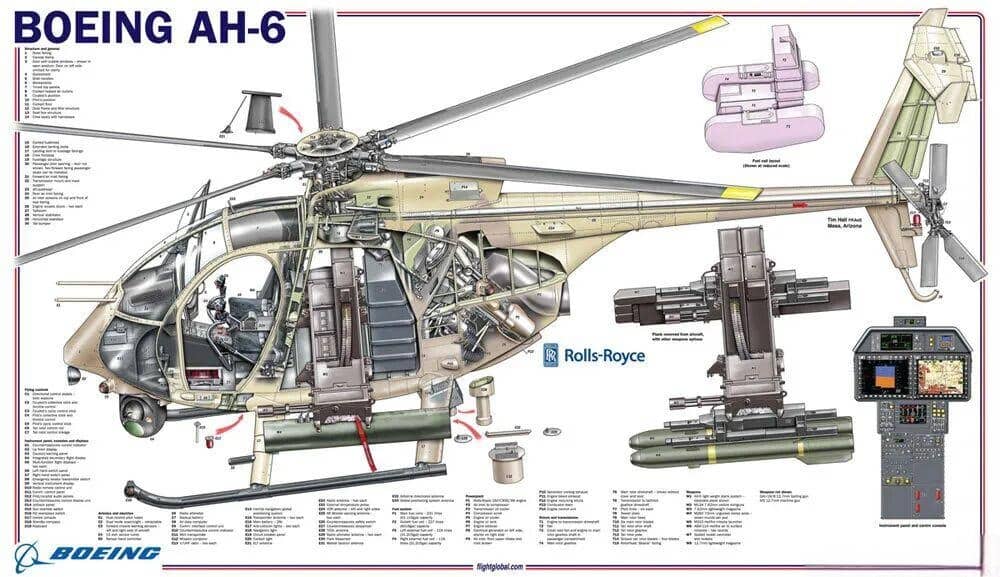
AH-6 Little Bird Helicopter Cross-Section Diagram.
While we cannot verify the specific details in Sean Naylor's book, over the years, other media outlets have reported on the specifics of the prisoner rescue plan codenamed Operation Pocket Change, including the use of Little Bird helicopters. After the Vietnam War, some American prisoners of war may have been held by Vietnam for years or even decades, which has long been a controversial topic.
Regardless, the Little Bird helicopter can be covertly transported using civilian trucks or containers, allowing it to penetrate deep behind enemy lines and launch surprise operations, a capability that other helicopters of the 160th Special Operations Aviation Regiment cannot achieve.
The Service Prospects and Event Significance Summary of the "Bird" Helicopter
All of these reasons explain why the 160th Special Operations Aviation Regiment continues to equip the Little Bird helicopter even after other conventional U.S. military units ceased its use. Following the cancellation of the U.S. Army's Future Attack Reconnaissance Aircraft (FARA) program in 2024, the service life of the Night Stalkers' AH/MH-6 helicopters appears set to be longer than previously anticipated. Previously, the unit had planned to replace approximately half of its Little Bird fleet with a special operations variant of the FARA.
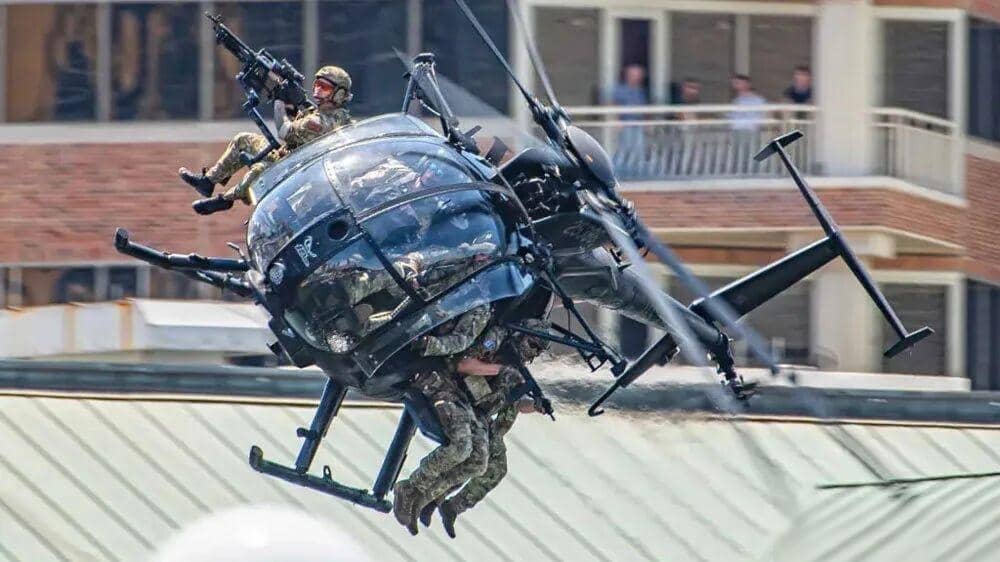
MH-6 helicopter of the 160th Night Stalkers Special Operations Aviation Regiment.
It is worth mentioning that Boeing has announced plans to shut down the production line for the Little Bird helicopters and transition to focusing on providing maintenance and support for customers of this helicopter series. Other models of the Little Bird helicopters will continue to be produced by MD Helicopters.
Overall, there are still many unknown details regarding the U.S. military's interception of the oil tanker Marinella and the role played by the 160th Special Operations Aviation Regiment in this operation. However, the information disclosed so far highlights the capabilities of the Little Bird helicopters in carrying out missions that other Night Stalker helicopters cannot accomplish, reaching specific locations, and concealing themselves in designated areas.