Delta Force teams up with Special Air Service for decapitation strike! Is it necessary for special forces to have dedicated vehicles?
05/01/2026
The helicopter carrying U.S. Special Forces is not an ordinary Army Aviation combat unit; it is, in essence, a special forces unit itself.
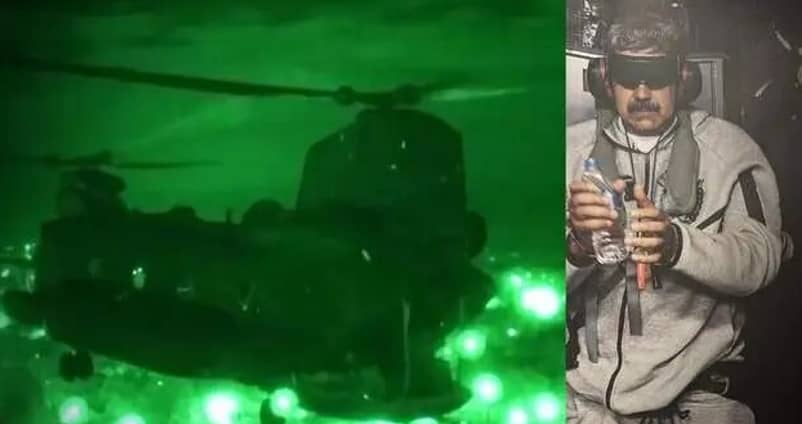
When watching military films about U.S. Special Forces, we often see scenes of special forces soldiers infiltrating, engaging in combat, and evacuating via helicopters. Seeing these scenes, we tend to take it for granted—after all, isn’t it perfectly normal for special forces to travel by helicopter?
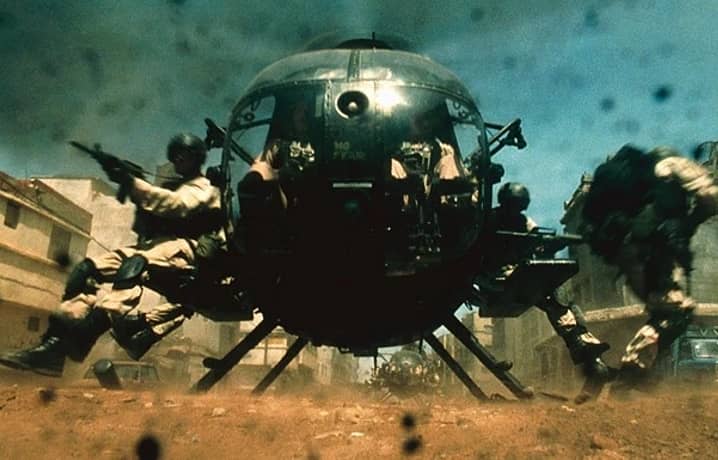
Some friends may not be aware that the helicopters carrying U.S. Special Forces are not ordinary Army aviation combat units; they themselves constitute a special forces unit—the 160th Special Operations Aviation Regiment. This regiment is the sole aviation unit within the U.S. Army Special Operations Forces and is known as the Night Stalkers.

The Delta Force that beheaded the Venezuelan president yesterday was likely supported by helicopters from the same regiment, and in the famous film "Black Hawk Down," the helicopters also belonged to this regiment.
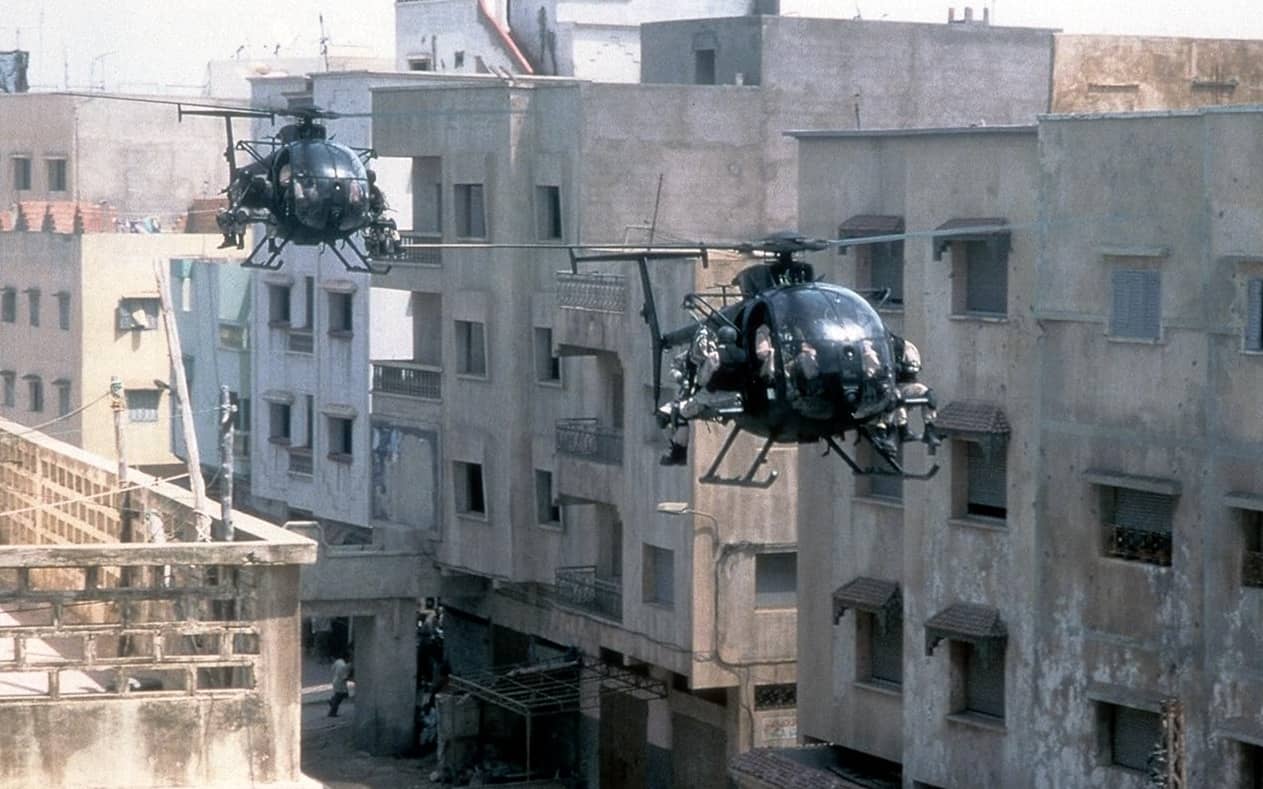
Within the hierarchy of U.S. Special Operations Forces, the Special Aviation Regiment operates at a strategic level, primarily providing support to elite units such as Delta Force and the Naval Special Warfare Development Group. Additionally, this unit is utilized by the Green Berets and Navy SEALs during special operations missions.
Its primary mission is to provide air assault transport support and basic aerial fire support for other special forces.
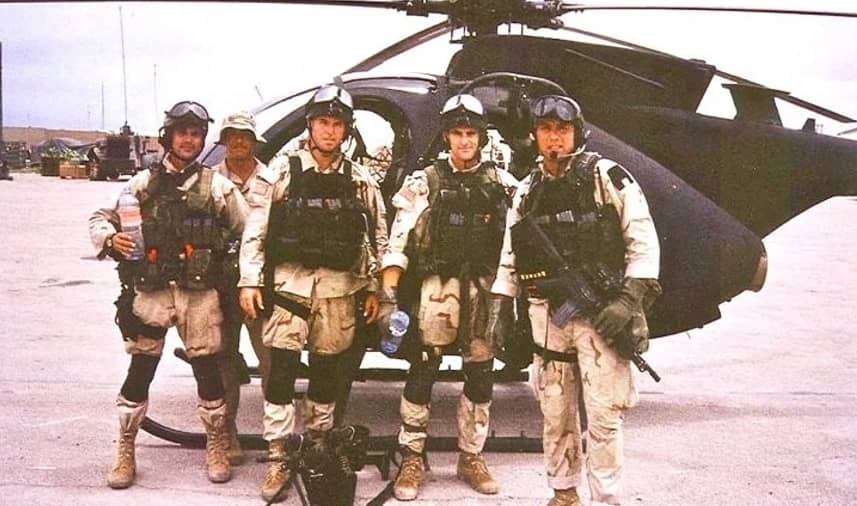
The predecessor of this unit was the Aviation Battalion Company formed in [year], established as a helicopter support force to assist nighttime special operations. It was formed almost concurrently with the U.S. Army's elite Delta Force. In [year], the unit was expanded into an Aviation Battalion, and by [year], it was further expanded into a Special Aviation Regiment.
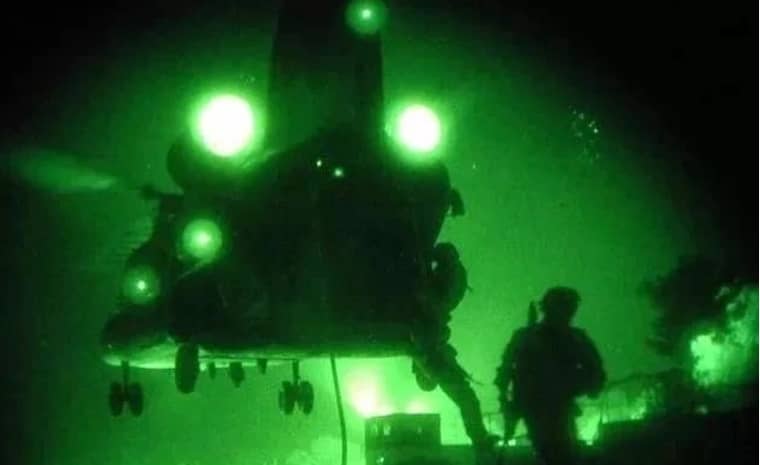
Some might wonder, isn't it just about flying helicopters? With so many army aviation units, why not simply assign one to cooperate with special forces instead of establishing a dedicated aviation unit? In reality, aside from the United States, special forces in most countries around the world also rely on helicopters from army aviation units rather than having helicopters as part of their own organizational structure.
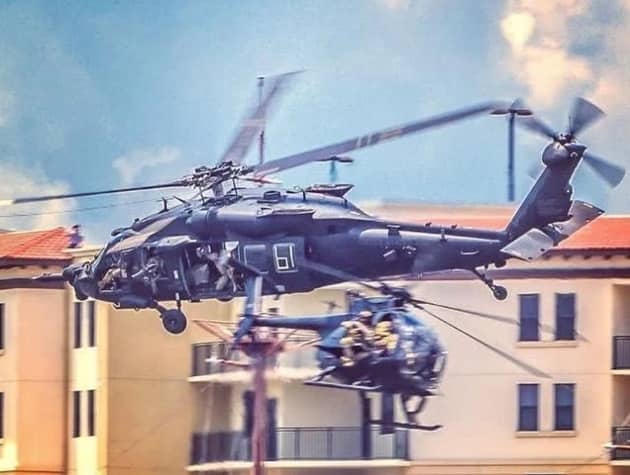
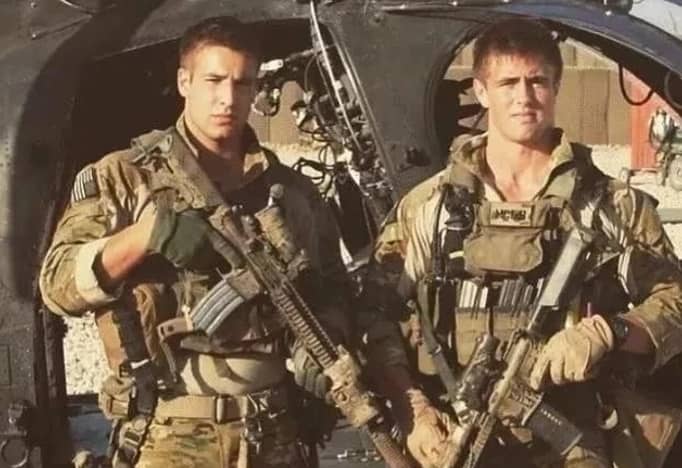
After all, helicopters are aviation equipment, and it is not something that can be managed simply by assigning a helicopter battalion to each special operations brigade. Based on international experience, helicopter units in moderately sized military forces are typically organized at the regiment level. If the number of helicopters is larger, they may be organized at the brigade level. In either case, these units operate independently as regiments or brigades, with their own comprehensive maintenance teams.
In countries where helicopters are not abundant, the organizational structure might be at the battalion level, but even at this level, a systematic approach is necessary for maintenance.
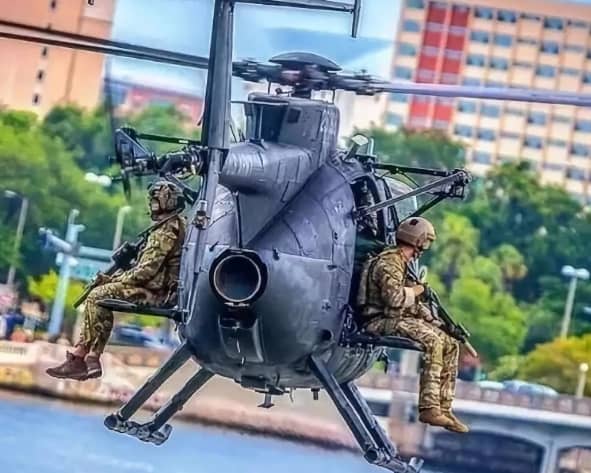
Although we can see helicopters everywhere today, for the military, aside from the United States, few countries have enough helicopters to use them freely. In terms of army combat units, it is already quite good to have an aviation brigade at the corps level. For instance, the Indian Army lacks proper helicopter units at the corps level, and the situation is even more challenging for the armies of smaller countries.
Given such objective conditions, when special forces in most countries need to use helicopters, they coordinate with army aviation units. It is rare to see a country like the United States, with its abundant resources, establishing a dedicated special operations aviation force.
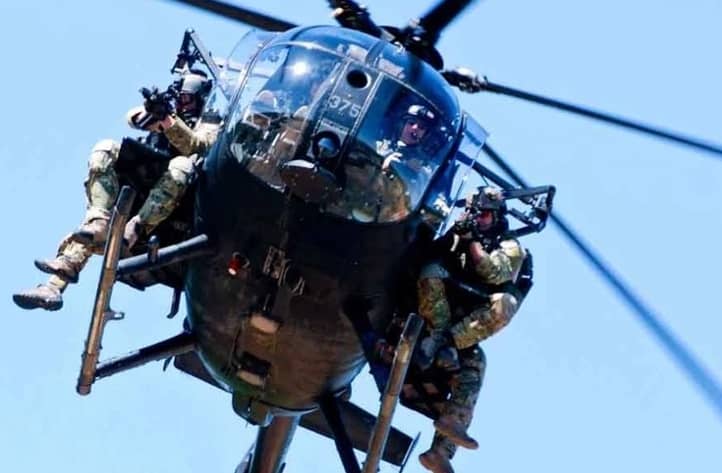
From a practical combat perspective, it is naturally preferable to have dedicated special operations aviation units. This is because conventional army aviation units primarily focus on fulfilling tasks within their own operational framework, such as coordinating with armored forces, deploying light infantry, and delivering supplies. Routine combat missions are the core responsibilities of standard army aviation units.
The requirements for helicopter usage by special operations units are certainly different from those of air assault infantry. Consequently, pilots from conventional army aviation units may not be well-suited to meet the demands put forward by special forces.
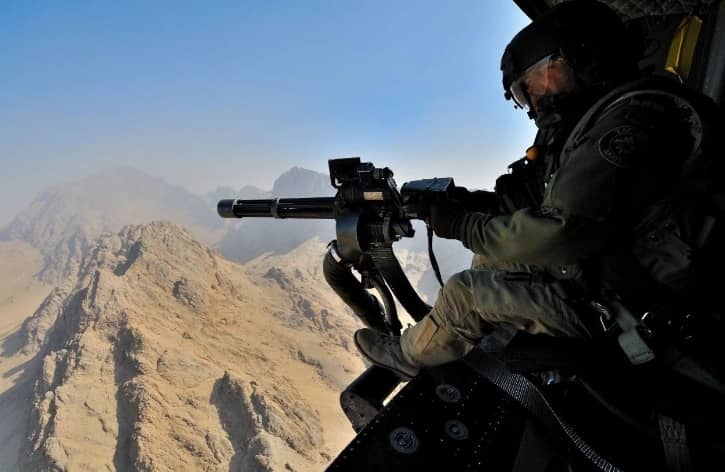
Meanwhile, the requirements of special operations units for fire support and communication equipment differ from those of conventional forces. Most helicopters in regular army aviation units are standard-configured and are unlikely to undergo specialized adaptations for special operations, which is not advantageous for special forces in carrying out combat missions.
Additionally, the coordination between regular Army Aviation units and special operations forces is limited. After all, with such limited resources, if they were to collaborate with special operations forces every day, how would the numerous conventional units manage their operations?
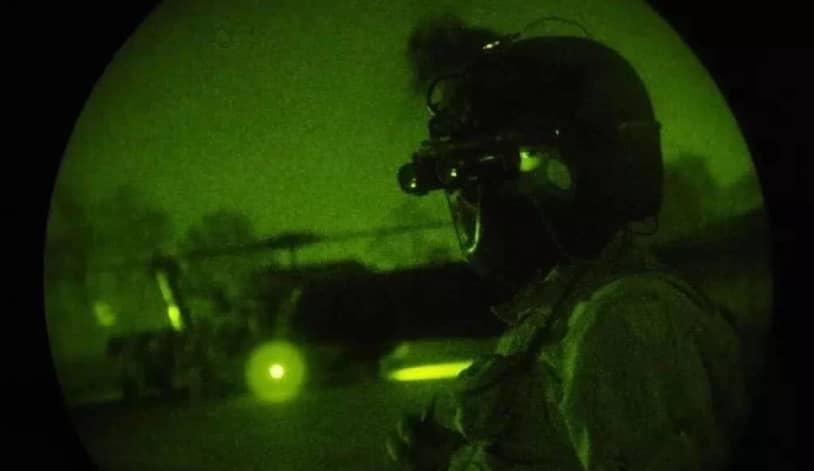
The special operations aviation regiment created by the U.S. military is, first and foremost, organized as a special forces unit, allowing it to be deployed flexibly without the need for coordination across large units.
The Little Bird, Black Hawk, and Chinook helicopters equipped by this unit are all modified according to special operations requirements. For example, one of its Black Hawk helicopters features a stealth design. Compared to helicopters from conventional army aviation units, the equipment of the special operations aviation regiment generates less noise, presents a smaller radar signature, and boasts more powerful communication capabilities and a more diverse firepower configuration, making it suitable for special assault teams to carry out missions.
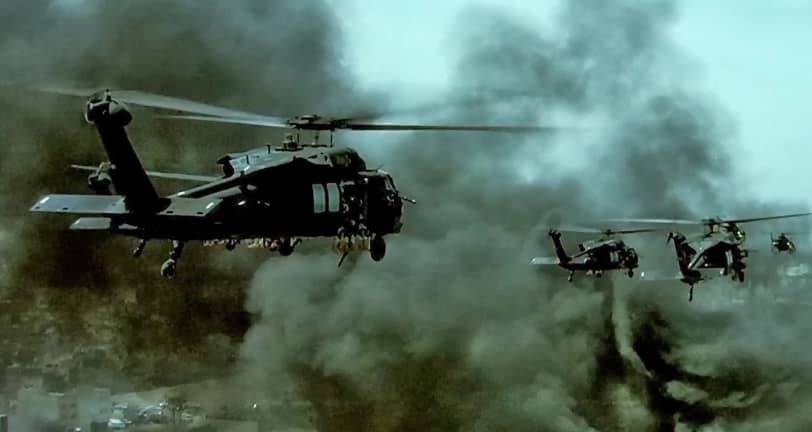
The pilots of this regiment are also among the elite. In addition to basic flight skills, they must master the ability to operate helicopters in more complex environments—particularly night flying and ultra-low-altitude flight—as well as possess certain ground combat capabilities. Due to their frequent cooperation with special forces, their level of coordination is exceptionally high.
Do not underestimate the level of coordination and synergy in such operations, as in special warfare, even the smallest details or a few seconds can determine the success or failure of a mission. Any oversight or error in coordination may lead to unforeseen consequences.
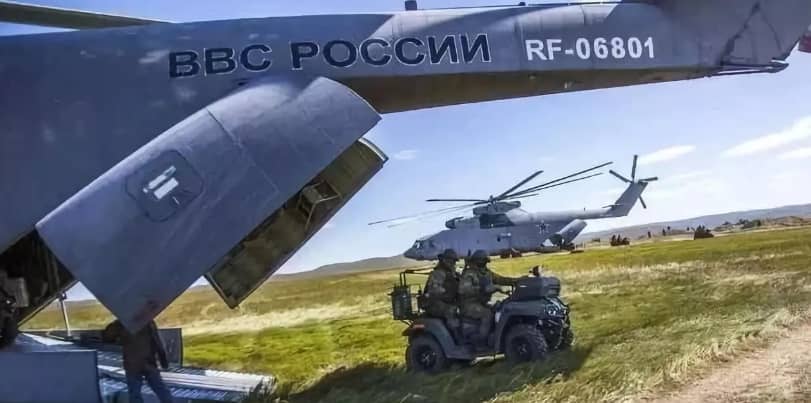
Obviously, the level of coordination proficiency between closely matched partners and those who pair up irregularly is certainly different. Therefore, the U.S. military's configuration is actually quite reasonable and has positive implications for enhancing the success rate of special operations.
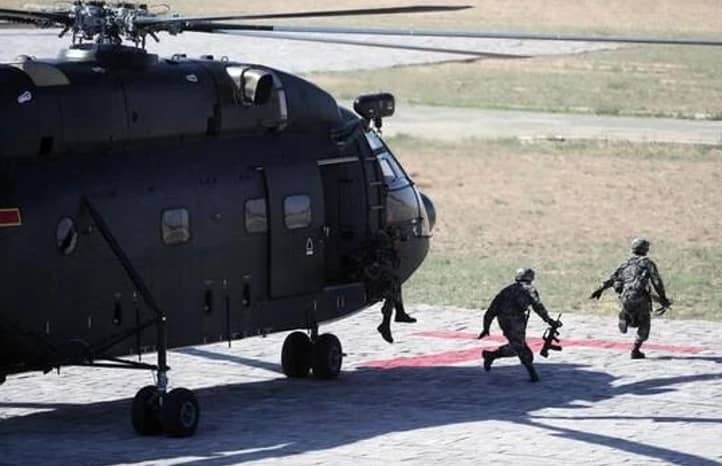
If there is a significant demand for special operations and the corresponding material conditions are in place, the path forged by the U.S. military could offer valuable insights for the development of special forces in countries around the world.