Speedrunning Venezuela in Hours! How Did the U.S. Military Capture Maduro?
05/01/2026
Speedrunning Venezuela in Hours! How Did the U.S. Military Capture Maduro?
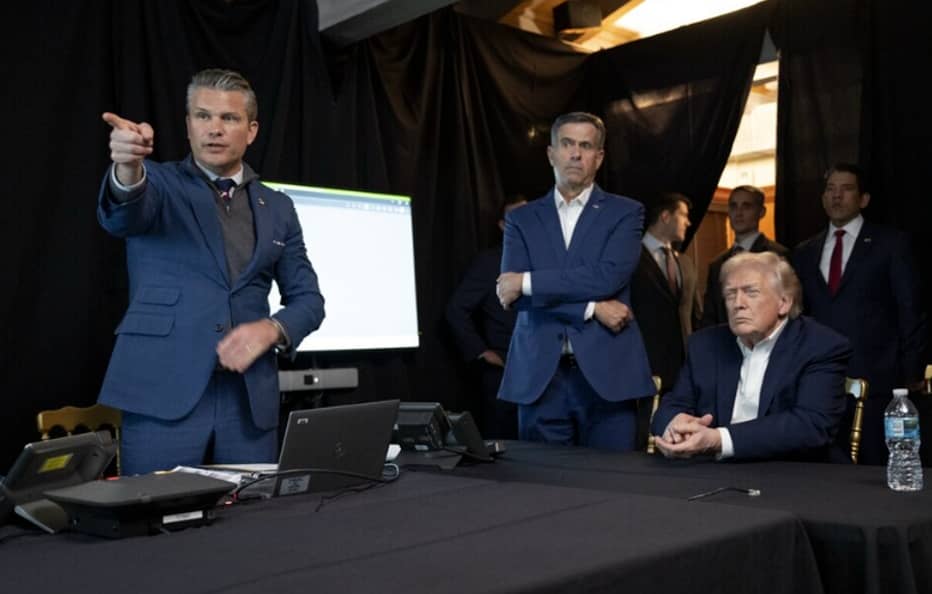
On January 3, 2026, a statement by U.S. President Trump shocked the world. Shortly after 4:30 AM Eastern Time, he posted on Truth Social announcing that the United States had successfully carried out a large-scale strike against Venezuela and its leadership. Nicolás Maduro and his wife had been captured and airlifted out of the country. This operation was conducted in coordination with U.S. law enforcement agencies. This meticulously planned cross-border military operation, from the first explosion to Maduro being escorted onto a U.S. amphibious assault ship, took only 1 hour and 39 minutes, making it a textbook example of a rapid in-and-out special operation.

I. The Entire Operation: A Lightning Raid in Hours and Minutes
Air Raid Commences: Firepower Suppression Under the Cover of Night
On the early morning of January 3, 2026, local time, the operation officially commenced. At 1:50 a.m. that day, over 150 military aircraft, including F-35 Lightning II, F-22 Raptor, F/A-18 Super Hornet fighters, and EA-18G Growler electronic warfare aircraft, took off from the USS Ford aircraft carrier and several airports in Puerto Rico. Under the cover of darkness, they headed towards Caracas, the capital of Venezuela, and launched a large-scale airstrike on key targets in and around the Venezuelan capital.
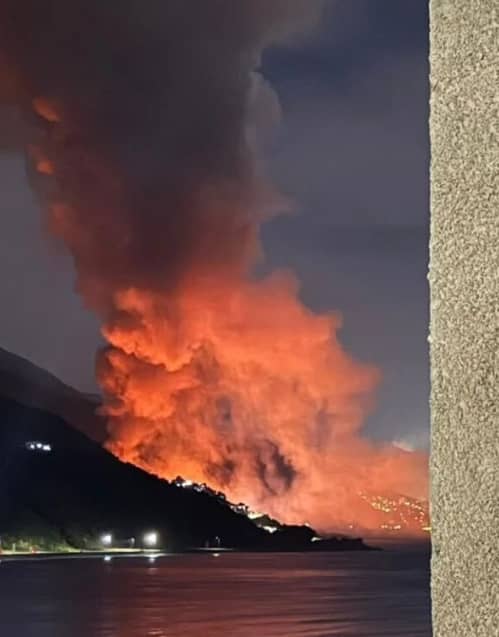
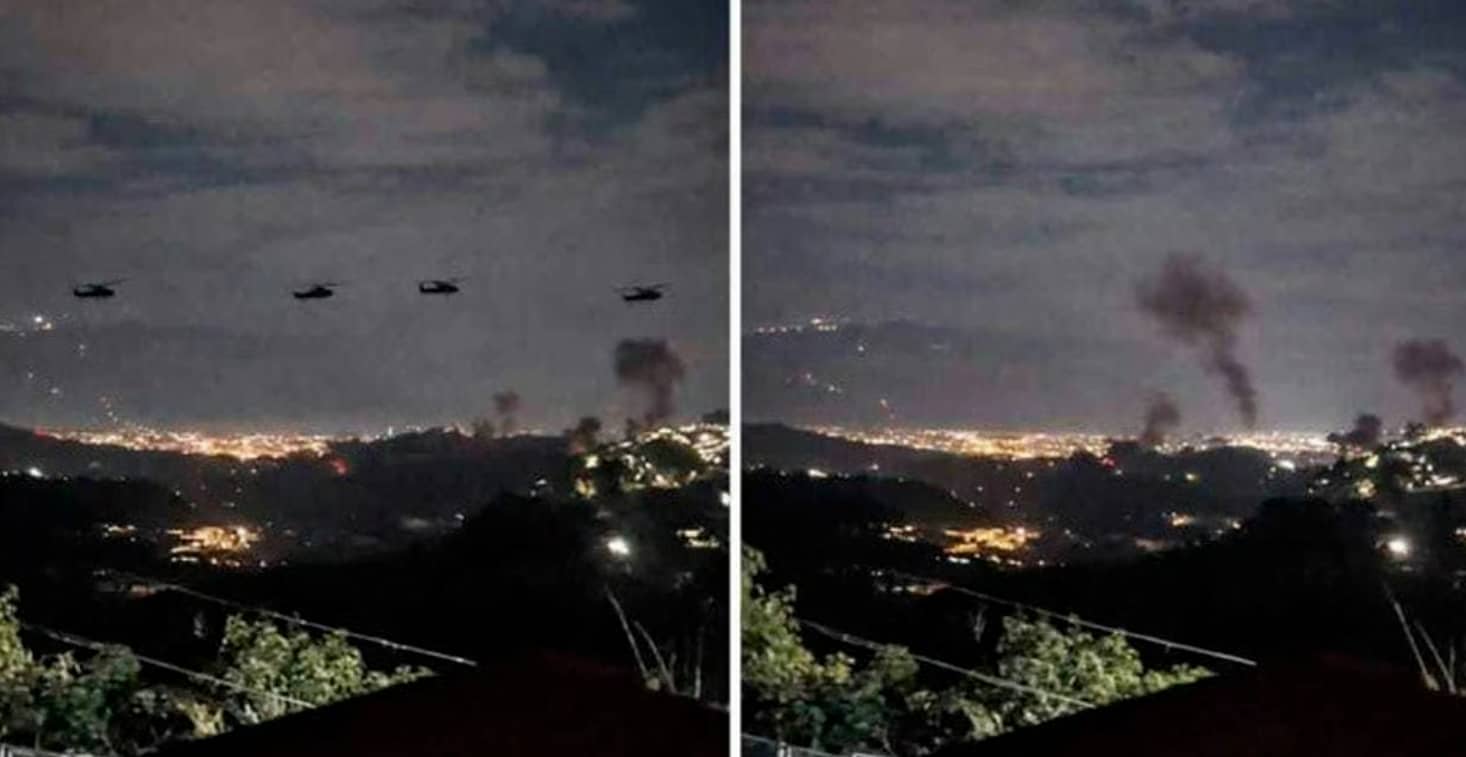
Three-Dimensional Penetration: Special Forces Strike at the Core.
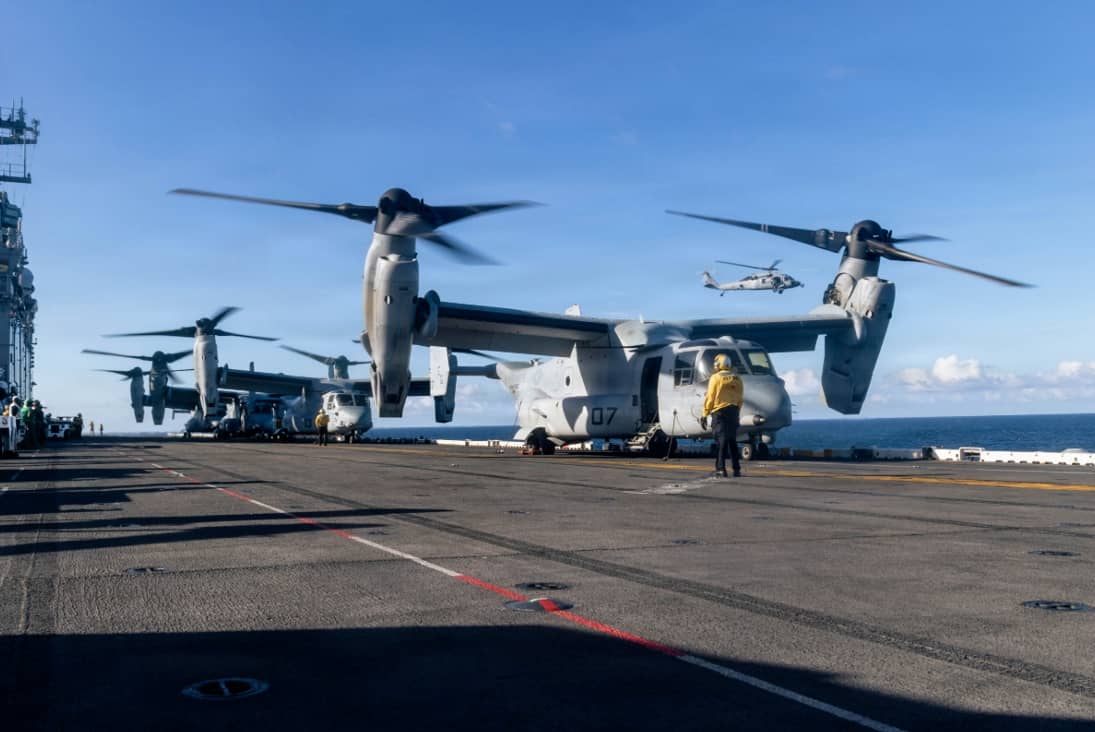
At the same time as explosions were heard in Caracas, the capital of Venezuela, AH-1Z Viper attack helicopters from the 22nd Marine Expeditionary Unit of the U.S. Marine Corps, CV-22 Osprey tiltrotor aircraft from the U.S. Air Force, and MH-60 Black Hawk and MH-47 Chinook transport helicopters from the U.S. Army's 160th Special Operations Aviation Regiment (Night Stalkers) took off in sequence from the amphibious assault ship USS Iwo Jima. On board were the U.S. Army's most elite Delta Force and the 75th Ranger Regiment.
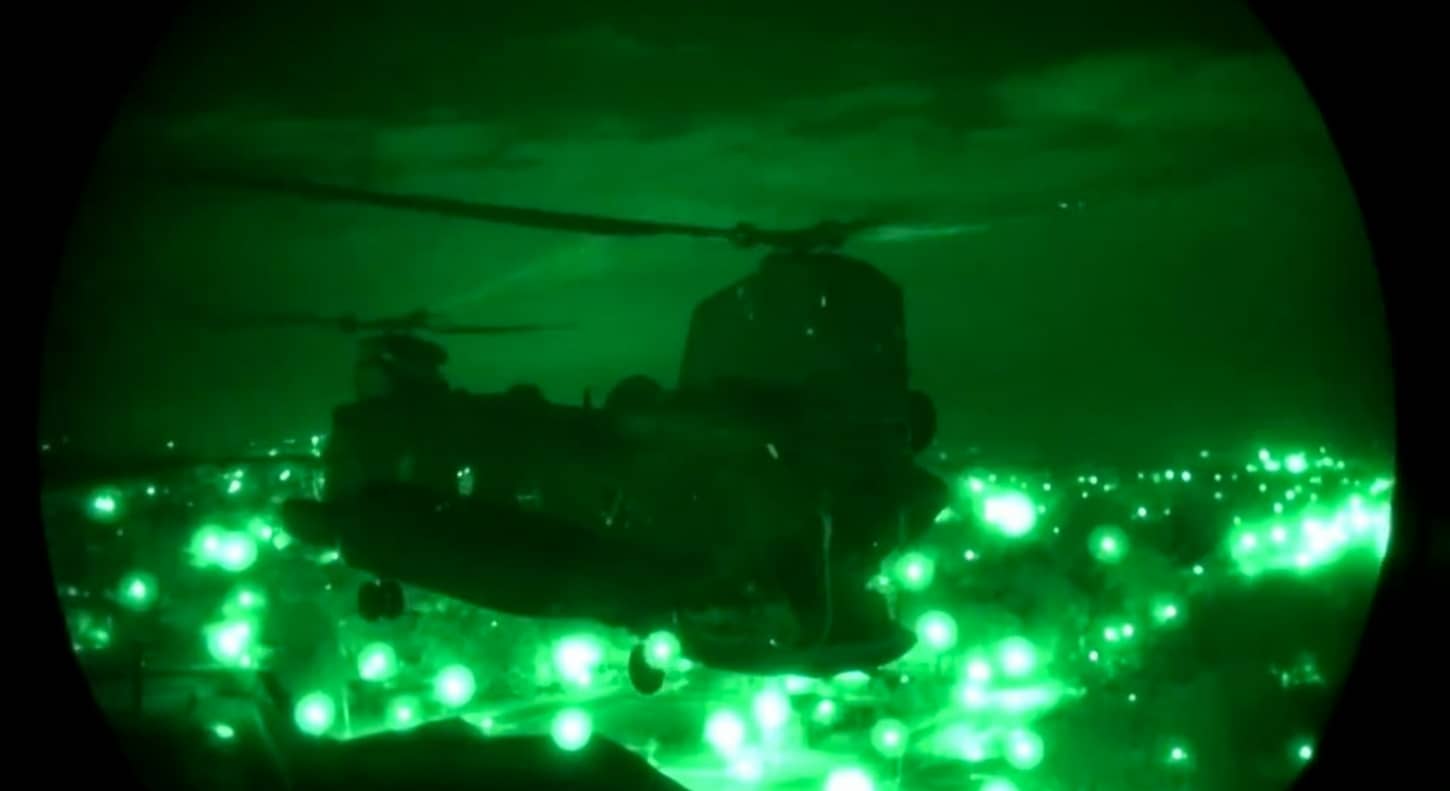
To evade potential radar detection, the helicopter fleet flew at an altitude of 30 meters, skimming the sea surface, deployed in combat formation, and headed straight for Caracas, the capital of Venezuela.Amidst the flames and explosions of the first round of airstrikes, U.S. military helicopters had already appeared brazenly over Caracas, as if entering unopposed territory.To evade potential radar detection, the helicopter fleet flew at an altitude of 30 meters, skimming the sea surface, deployed in combat formation, and headed straight for Caracas, the capital of Venezuela.Amidst the flames and explosions of the first round of airstrikes, U.S. military helicopters had already appeared brazenly over Caracas, as if entering unopposed territory.
Chaos and Capture: The Core Objectives in Blitzkrieg
Amid the threat of airstrikes, the situation in Caracas descended into chaos. Military armored vehicles took to the streets to maintain order, while government officials began relocating under military escort. The government issued a statement declaring a state of emergency and condemning the United States for its acts of aggression. Soon after, small-scale riots were quelled, and aside from the destruction of some military bases and a few civilian casualties, the situation appeared to return to normal. However, a critical question emerged: no one knew the whereabouts of Maduro.
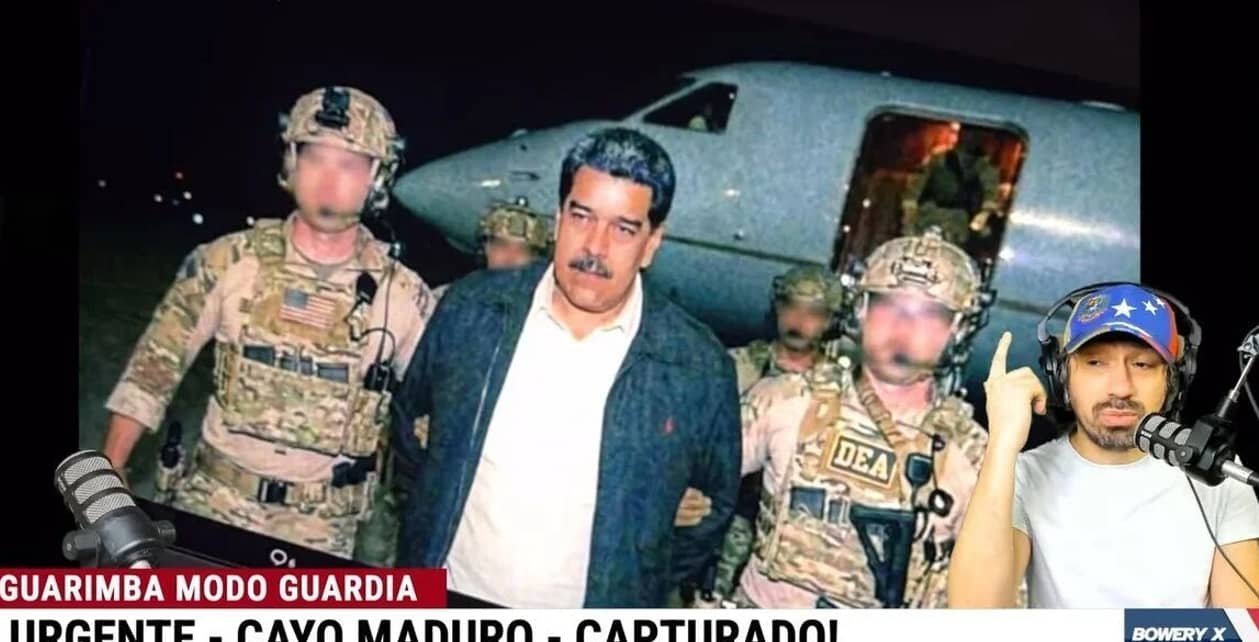
Before the Venezuelan government and the people of the world could fully process this sudden invasion, at 5:21 AM, U.S. President Trump proudly announced on Truth Social: The U.S. military has successfully captured Venezuelan President Maduro and his wife, and has transported them out of Venezuela by aircraft.
I. Background of the Action: Months of meticulous preparation and sustained pressure.
Initial military strikes and military buildup.
This operation marks a severe escalation of the months-long tense standoff between the United States and Venezuela, evolving into direct military intervention. The military action followed months of meticulous preparation by the U.S. side. Since September 2025, the U.S. military has launched a series of lethal strikes against vessels suspected of drug smuggling in the Caribbean Sea and the Eastern Pacific, with the number of strikes reaching 35 by January 2, 2026, resulting in at least 115 deaths. These operations have been described by the Trump administration as armed conflict against drug terrorism, aimed at curbing the flow of illegal drugs into the United States.
At the same time, the United States conducted a large-scale military buildup in the waters surrounding Venezuela, assembling approximately 15,000 U.S. military personnel. The naval fleet included about 11 vessels, such as the USS Gerald R. Ford aircraft carrier, multiple missile destroyers and cruisers, and the USS Iwo Jima amphibious assault ship. Dozens of fighter jets, including F-35s, were deployed in Puerto Rico, and aviation equipment such as CV-22 Osprey tiltrotor aircraft and C-17 transport planes were also dispatched to the region.
Economic blockade and public threats.
The United States has been continuously exerting pressure on Venezuela, seizing two oil tankers near the Venezuelan coast on December 10 and December 20, 2025, and announcing a comprehensive and thorough blockade of sanctioned oil tankers entering and leaving Venezuela, aiming to cut off the Maduro government's crucial revenue sources. President Trump himself has repeatedly publicly threatened to expand attacks, stating on December 2, 2025, that we will soon begin striking land-based targets as well, and remarking on December 22 that it would be wise for Maduro to step down voluntarily.
In late December 2025, Trump announced that the U.S. military had struck and destroyed a dock area or large facility along the coast of Venezuela, which was accused of being used for drug loading. This drone strike, carried out by the Central Intelligence Agency, marks the first known direct action against Venezuelan territory since September. Trump formally approved the land strike plan a few days before the attack. Military officials had considered executing the mission on Christmas Day but postponed it due to weather and other operational priorities, ultimately choosing the early hours of January 3, 2026. Although the moon phase was close to full, which is unfavorable for the infiltration of special operations helicopters, the need to capture the high-value target Maduro outweighed considerations of stealth.
II. Core Question One: Why was the U.S. military not effectively intercepted by air defense systems?
Venezuelan Air Defense Equipment: Seemingly Powerful, Yet Paralyzed.
The Venezuelan military appears to possess advanced air defense and air superiority weapons such as F-16 and Su-30 fighter jets, S-300V and Buk missiles, as well as JY-11B, JY-27, and JYL-1 radars. However, in reality, the operational readiness of these equipment is at a highly questionable level.
Although these equipment are considered top-tier in Latin America, most of them were purchased around 2010 when Venezuela's economic situation was still favorable. Subsequently, due to the continuous economic downturn, military spending has been insufficient to support the long-term combat readiness and service of advanced weaponry. They cannot afford spare parts for aircraft and radars, and cannot even power them on, let alone engage in combat. Although these equipment are considered top-tier in Latin America, most of them were purchased around 2010 when Venezuela's economic situation was still favorable. Subsequently, due to the continuous economic downturn, military spending has been insufficient to support the long-term combat readiness and service of advanced weaponry. They cannot afford spare parts for aircraft and radars, and cannot even power them on, let alone engage in combat.
In 2022, *Jane's Defence Weekly* reported that due to a lack of spare parts, most of Venezuela's JY-11B and JYL-1 radars had ceased operations; the S-300VM air defense missile systems procured from Russia were non-operational, with only a few Buk-M2E air defense missile systems deployed near Caracas. In terms of fighter aircraft, only a single-digit number of early-version F-16s were capable of normal takeoff, and the serviceability rate of the Su-30MK2 was even worse.
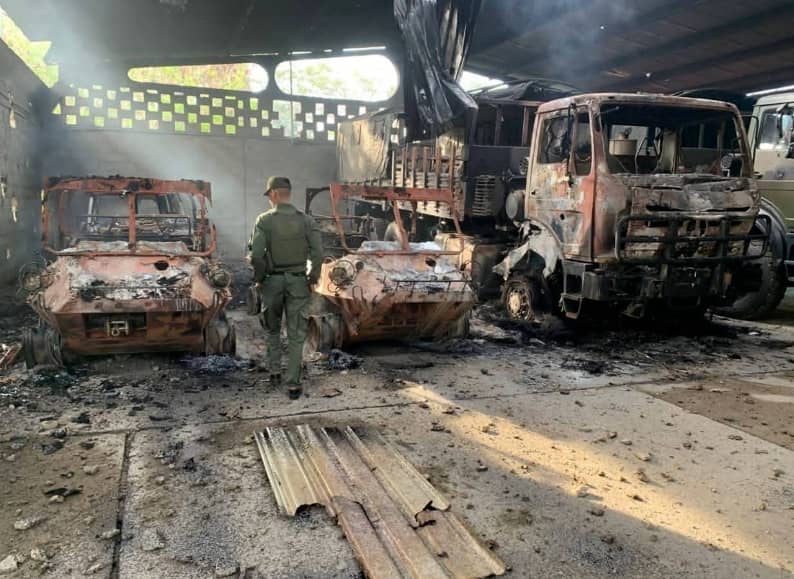
More crucially, the U.S. military's first wave of airstrikes targeted Venezuela's military bases, especially its air defense weapon systems, with at least one Buk-M2E air defense missile system destroyed. Combined with the large-scale electromagnetic interference from EA-18G electronic warfare aircraft, the Venezuelan military was completely unable to cope with an assault of this magnitude.
Portable Air Defense Missiles: Why Did They Fail to Deliver?
Some have questioned why, despite the Venezuelan military being equipped with over 5,000 Igla-S portable air defense missiles—which, while ineffective against F-22 and F-35 aircraft, pose a significant threat to helicopters—they have not been deployed. One theory suggests that the U.S. military had previously infiltrated and turned the military, but this claim is difficult to substantiate.
First, portable anti-aircraft missiles are easy to operate and available in large quantities, making it nearly impossible to control all missiles and their operators comprehensively. Second, the risk of leaks is extremely high when attempting to bribe military personnel on a large scale. Even a single soldier loyal to Maduro could expose the operation, causing it to fail completely.
The real reason is that the U.S. military's operational speed far exceeded the reaction speed of the Venezuelan military: Almost simultaneously with the explosions, the helicopter fleet had already reached the airspace over Caracas. The accompanying attack helicopters used night vision and targeting systems to eliminate any remaining air defense threats. The low-flying helicopter fleet crossed over the city in a short period of time. At this moment, the Venezuelan military was plunged into chaos following the airstrike, with its command chain likely completely severed. Furthermore, the attack occurred late at night on a weekend, with most key personnel on leave, which further exacerbated the confusion. By the time the military could react, the U.S. operation was essentially over.The real reason is that the U.S. military's operational speed far exceeded the reaction speed of the Venezuelan military: Almost simultaneously with the explosions, the helicopter fleet had already reached the airspace over Caracas. The accompanying attack helicopters used night vision and targeting systems to eliminate any remaining air defense threats. The low-flying helicopter fleet crossed over the city in a short period of time. At this moment, the Venezuelan military was plunged into chaos following the airstrike, with its command chain likely completely severed. Furthermore, the attack occurred late at night on a weekend, with most key personnel on leave, which further exacerbated the confusion. By the time the military could react, the U.S. operation was essentially over.
The Countermeasure Capabilities of U.S. Military Helicopters: Protection by Directed Infrared Countermeasures Systems
Even if individual soldiers use portable air defense missiles to attack, the likelihood of shooting down a U.S. military helicopter is extremely low. In this operation, the main force of the U.S. military's air assault is the 160th Special Operations Aviation Regiment, known as the "Night Stalkers." This unit specializes in low-altitude, nighttime raids behind enemy lines. Their equipped MH-47G Chinook helicopters have been specially modified, featuring exhaust deflectors, infrared warning systems, and the AN/AAQ-24 Directed Infrared Countermeasures system.
The AN/AAQ-24 Directional Infrared Countermeasures System is the core protective equipment. It can detect approaching missiles and emit lasers towards the missile's infrared seeker, jamming or even destroying the seeker, causing the missile to deviate from its target. The Igla-S missile, however, is equipment from 25 years ago. It performs extremely poorly against such advanced countermeasure systems, and the U.S. military has a thorough understanding of its capabilities, with countermeasure equipment specifically designed to target it. Unless multiple launch sites coordinate to fire several missiles in a salvo, it is difficult to inflict effective damage.
At a press conference, Trump confirmed that a U.S. military helicopter was hit by anti-aircraft fire, resulting in injuries but not crashing. This indirectly suggests that the Venezuelan military may have launched an attack but failed to penetrate the U.S. military's defense system.
III. Core Question Two: Why was the U.S. military able to quickly capture Maduro?
Preliminary Preparation: Intelligence Infiltration and Simulation Exercises
The professionalism of U.S. Special Operations Forces is exceptionally high. Months before the attack was launched, they had already meticulously tracked Maduro’s whereabouts, daily routines, and behavioral patterns through espionage threats, drone reconnaissance, and insider infiltration. Based on this intelligence, the U.S. military constructed a simulated replica of Maduro’s residence, complete with detailed reproductions of safe rooms, for the Delta Force to repeatedly rehearse—a standard practice for U.S. Special Forces, as seen in the mission to hunt down Osama bin Laden, where the same strategy was employed.
Geography and Intelligence Support: Accurate Targeting and Real-Time Monitoring
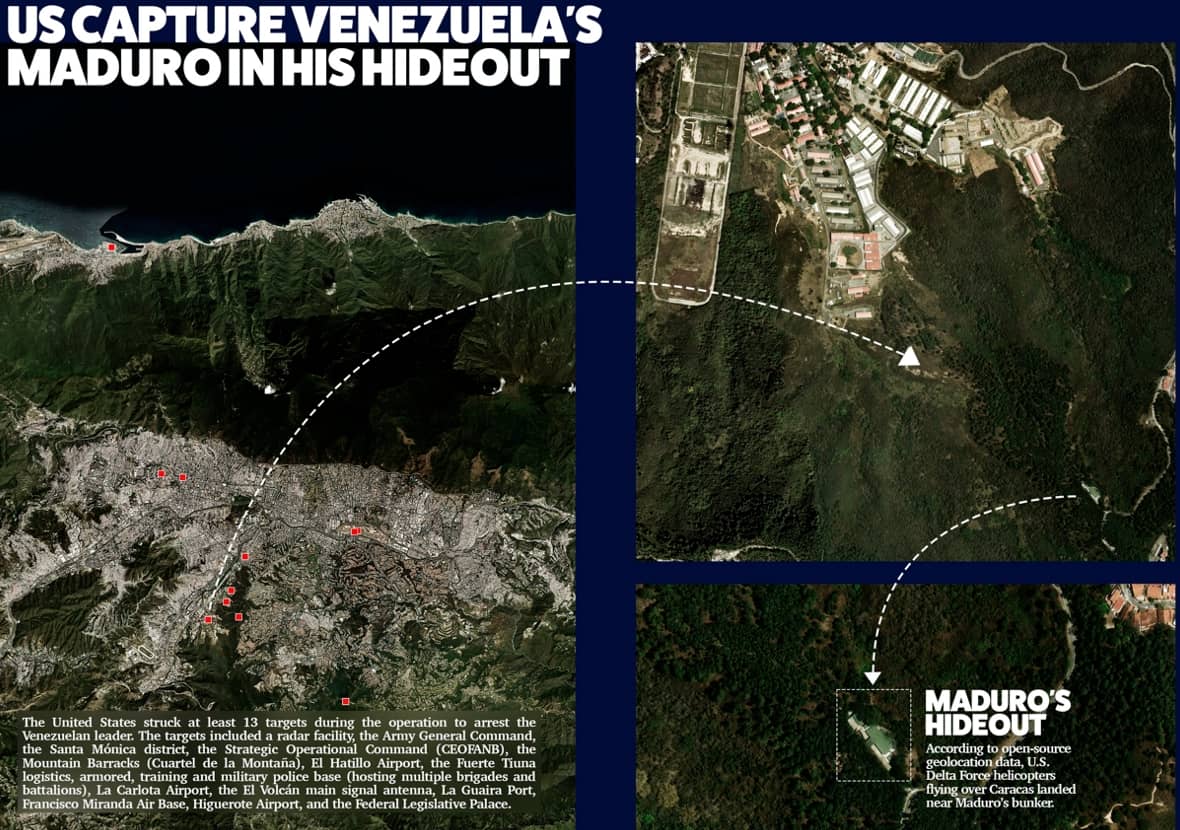
Venezuela has a vast territory, but the southern region is mostly tropical rainforest, with cities concentrated along the northern coastal area, including the capital Caracas. The U.S. military only needs to briefly control the airspace over Caracas to complete the mission and withdraw, leaving Venezuela with extremely limited reaction time. Prior to the operation, the U.S. military also deployed RQ-170 Sentinel drones stationed in Puerto Rico to enter Venezuelan airspace, closely monitoring Maduro. Combined with intelligence from spies, this ensured the accuracy of the information.
It is noteworthy that the RQ-170 was captured and reverse-engineered by Iran as early as 2011, with its signal characteristics and operational principles no longer being secrets. Additionally, given the close military cooperation between Venezuela and Iran, Venezuela theoretically could have access to countermeasures technology. However, the fact that the Venezuelan military remains unable to address this issue reflects its limited military capabilities.
Tactical Coordination: Main Assault with Supportive Backup
To address contingencies, the U.S. military adopted a coordinated configuration of main force plus support: In addition to Delta Force riding MH-47s to carry out the capture mission, the 75th Ranger Regiment accompanied the helicopter group aboard CV-22 Osprey tiltrotor aircraft. Should Delta Force encounter setbacks in ground operations or if helicopters crash, the Rangers would immediately deploy to provide support.
The entire capture operation was precise and efficient: the airstrike commenced at 1:50, and U.S. military helicopters arrived at Maduro's residence at 2:01 (taking only 11 minutes); after a brief exchange of fire, Delta Force completely neutralized the security team and captured Maduro and his wife before they could enter the safe room; at 3:29, the helicopter group successfully returned to the USS Iwo Jima amphibious assault ship, with the entire operation lasting only 1 hour and 39 minutes.
Venezuela's Negligence: Lack of Vigilance and Misjudgment of the Situation
Maduro has been in power for 13 years and possesses a strong ruling foundation, making it difficult for the U.S. military to directly destabilize his regime by bribing internal collaborators. This also indicates that the core of this operation was not led by insiders but rather stemmed from serious negligence within the Venezuelan government and military.
Prior to the operation, the U.S. military had been conducting months of military buildup in the Caribbean: mobilizing carrier strike groups and amphibious readiness groups, deploying advanced equipment such as the F-22 and F-35, conducting joint military exercises with Trinidad and Tobago, intercepting Venezuelan vessels, and reactivating abandoned military bases in Puerto Rico—all clear signals of military action. However, Maduro showed no sense of crisis, neither moving into heavily fortified bunkers or safe houses nor altering his routine. The guards defending his residence lacked heavy weaponry and would have been no match for Delta Force.
It is speculated that Venezuela might have anticipated U.S. military airstrikes on military targets, but misjudged that the U.S. military would not deploy ground troops and was even less capable of overthrowing the regime through military action, thus failing to make effective preparations, ultimately giving the U.S. military an opportunity to exploit. It is speculated that Venezuela might have anticipated U.S. military airstrikes on military targets, but misjudged that the U.S. military would not deploy ground troops and was even less capable of overthrowing the regime through military action, thus failing to make effective preparations, ultimately giving the U.S. military an opportunity to exploit.
IV. Action Summary: The Adventure and Enlightenment of "Quick In, Quick Out"
Overall, the U.S. military's operations against Venezuela have drawn lessons from the invasions of Grenada and Panama in the 1980s, as well as the Gulf War, the wars in Iraq and Afghanistan, and the Russia-Ukraine conflict. They adopt a strategy of using overwhelming force for a swift and decisive outcome: paralyzing the opponent's command and defense capabilities in a short time, deploying special forces to carry out core missions, and then withdrawing quickly to deny the opponent any chance of counterattack.
It should be noted that this operation is a dangerous military adventure. If Venezuela had been prepared in advance or received a warning, the Delta Force could have suffered heavy losses, or even led to a Black Hawk Down-style disaster, causing the United States to lose face internationally. However, it must be admitted that given Venezuela's military capabilities and the balance of power in the Latin American region, it would be difficult for them to effectively confront the U.S. military.
V. Action Impact: Geopolitical Shocks and International Controversies
The direct military strike by the U.S. forces on Venezuela and the capture of its president have fundamentally altered the political landscape of Venezuela, sparking intense international controversy. This cross-border military operation, conducted without authorization from the United Nations Security Council or the consent of the target country, severely undermines the principles of sovereign equality among nations and non-interference in internal affairs. It reflects the consistent approach of the United States, which relies on its domestic laws to accuse and unilaterally designate sovereign state leaders, enabling cross-border law enforcement or regime change actions. This, in turn, exacerbates strategic instability on a global scale.
While the direct military intervention by the United States may have removed what it deemed an illegitimate regime in the short term, it is highly likely to sow the seeds of long-term instability in Latin America: Venezuela may face a difficult power transition process, potentially triggering factional conflicts or low-intensity civil war, refugee crises that fuel anti-American sentiment, and the rise of extremism, among other issues. Additionally, the U.S. President's unilateral action bypassing Congress has sparked constitutional and legal controversies, with bipartisan members of Congress raising serious concerns about Trump launching such a large-scale military operation without authorization under the Authorization for Use of Military Force. This attack undoubtedly sets an extremely dangerous precedent for international relations in the 21st century.