The Geopolitical "Tsunami" of the Year: Ending the Russia-Ukraine War Requires Resolving the Iran Conflict.
24/03/2026
The Annual Geopolitical "Tsunami": Resolving the Iran War is Key to Ending the Russia-Ukraine War
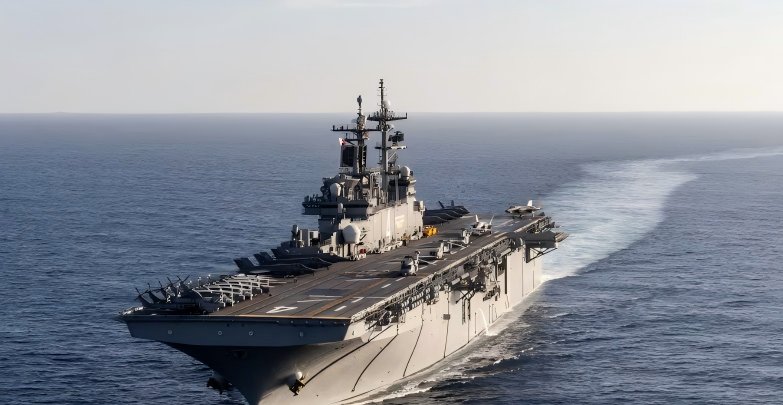
The official website of the U.S. military confirms that the USS Boxer amphibious assault ship battle group is already en route to the Arabian Sea.
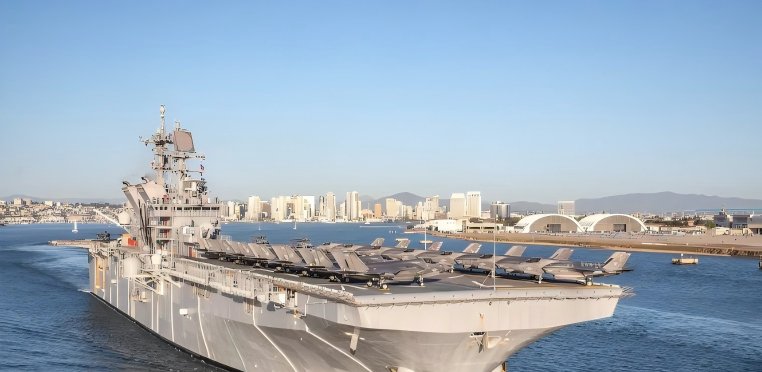
The amphibious assault ship USS Tripoli and the 31st Marine Expeditionary Unit Combat Group (U.S. Marine Corps professional island assault force) may enter the Arabian Sea around March 26.
March, with its bright spring sunshine. However, the situations in the Russia-Ukraine war and the Iran war continue to evolve, and the deep interconnection between these two conflicts is becoming a key variable affecting the global landscape.
Observing the recent situation, three core viewpoints can be outlined:
1. The Russia-Ukraine war remains a core issue in current international politics and the construction of a new global order.
II. Although the joint U.S.-Israel military actions and the war with Iran have not yet been explicitly defined as a direct spillover conflict of the Russia-Ukraine war, their impact on the course of the Russia-Ukraine war has already become a critical variable.
Affected by the Iran war, the United States and Europe are undergoing significant changes in resource allocation, shifting strategic concerns, negotiation processes, and geopolitical construction. Meanwhile, the strategic coordination between Russia and Iran, along with the continuous rise in global oil prices, is having a real-time impact on the Russia-Ukraine battlefield. There exists a profound, multi-layered, and real-time mutual influence and strategic linkage between the two conflicts, with their spillover effects already highly pronounced.
From the perspective of the global strategic landscape, resolving the Iran war issue has become a crucial prerequisite for ending the Russia-Ukraine war.
3. Both Russia and Iran are countries with significant global influence.
Russia's influence primarily relies on the military, diplomatic, defense industry, and geopolitical foundations inherited from the Soviet Union; whereas Iran's influence stems more from religious power and the path of exporting revolution.
Whether it is Zelensky, Netanyahu, or Trump, daring to engage in war with such a country not only requires the support of national and military strength but also demands sufficient strategic courage from the decision-makers and their teams.
If we separate the two wars and examine them only from the perspectives of local strategy, morality, or law, our vision will inevitably be limited.
I. Recent Developments in the Russia-Ukraine War
On March 23, 2026, the Russia-Ukraine war has entered its 1488th day. The current situation is characterized by a dual game of diplomatic negotiations and military confrontation, with strategic features of mutual offense and defense on both the Donbas and southern battlefields.
First, diplomatic maneuvers reflect multi-party strategic competition.
On March 22, delegations from the United States and Ukraine held a new round of ceasefire talks in Florida, discussing topics such as security guarantees, humanitarian assistance, and peace plans to end the conflict. Previously, Russia had stated that due to the impact of the Middle East situation, tripartite (U.S., Russia, Ukraine) negotiations had been suspended and expressed hope for a prompt resumption. However, Russian representatives were absent from this meeting.
Against the backdrop of the Iran war, the strengthened cooperation between the United States and Ukraine in the fields of drones and intelligence, along with Ukraine's clear expression of support for joint U.S.-Israel operations, reveals that the outbreak of the Iran war has significantly strained the already fragile political relationship between the United States and Russia (since Trump took office). While addressing soaring oil prices, balancing geopolitical interests, and maintaining the global security system, the United States must also manage the Russia-Ukraine war and its impact on Europe. Consequently, under the principle of returning European issues to Europe, it can only moderately ease sanctions, compromise on Russian oil exports, and sustain the status quo of the Russia-Ukraine war.
It can be confirmed that the war in Iran has not ended, and the Russia-Ukraine war is far from over.
Second, drone warfare has become the new normal.
From March 21 to 23, the Russian military deployed approximately 300 long-range drones to conduct cluster strikes on targets such as Ukrainian energy facilities and drone deployment bases. Due to the disruption of Starlink, Russia's space-based ISR system and intelligence resources have become increasingly scarce. Several rounds of attacks failed to destroy key Ukrainian targets; instead, residential areas and energy facilities in Chernihiv, Odesa, and Mykolaiv were bombed, resulting in civilian casualties and power outages.
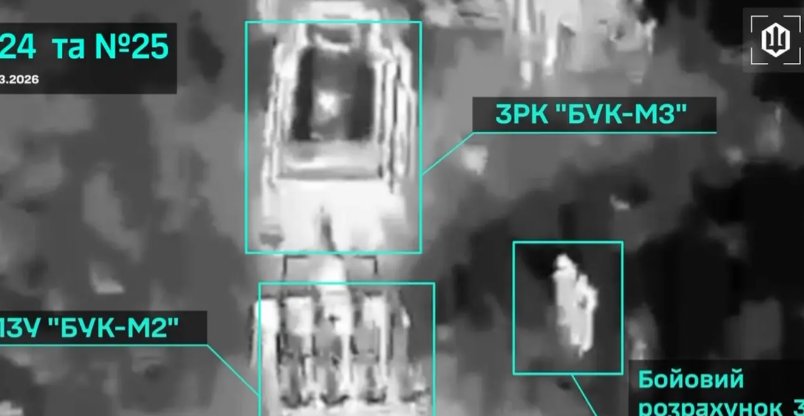
The Ukrainian side also launched approximately 300 drone attacks on Russian territory, targeting areas such as Rostov Oblast, Saratov Oblast, Moscow, and Saint Petersburg. These strikes severely damaged the Saratov oil refinery, which supplies fuel to the Russian military, and the Engels-2 military airfield. They also destroyed a fuel depot and command post of the Russian military's "Magician" drone unit, as well as one Buk-M2 air defense system each in Bryansk Oblast and Zaporizhzhia. Additionally, attacks in Zaporizhzhia hit Russian military assembly areas and command centers, causing ongoing unrest in the Russian capital and major central cities.
Ukrainian forces are gradually gaining an advantage in the field of long-range drones. On the eastern front in Ukraine, after the Russian military lost access to Starlink, the initiative in drone warfare has clearly shifted. Around March 17 alone, within just a few days, Ukrainian drone units repelled multiple Russian attacks on the Zaporizhzhia front with zero casualties, causing nearly 900 casualties among Russian troops.
The space-based ISR system, intelligence, and Starlink resources provided by NATO and the United States are key supports for the Ukrainian military's achievements in the short term. Drone warfare is becoming the dominant form on the Russia-Ukraine battlefield. Just as traditional mechanized warfare favors Russia, this trend presents a strategic advantage for Ukraine.
[
](https://d:\MyWork\01-GrayscaleInsight\05-upload-md-gongzhonghao\topics\assets\640-1774354480287-5.png/)
On March 22, 2026, the Ukrainian military released a screenshot of a video showing drones destroying Russian Buk-M3 and Buk-M2 systems.
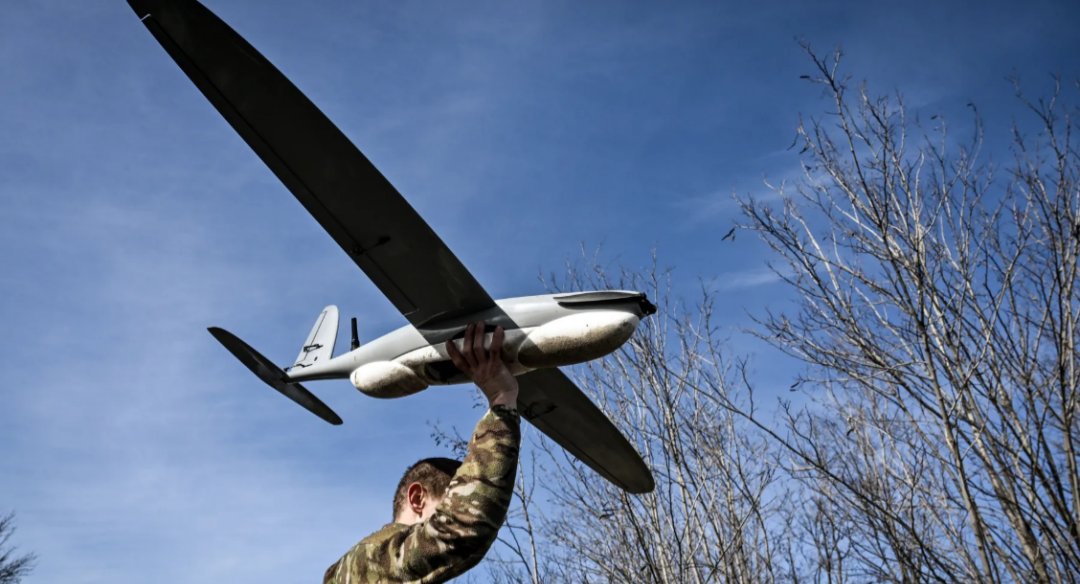
Ukrainian drone units have become a persistent strategic nightmare for the Russian military.
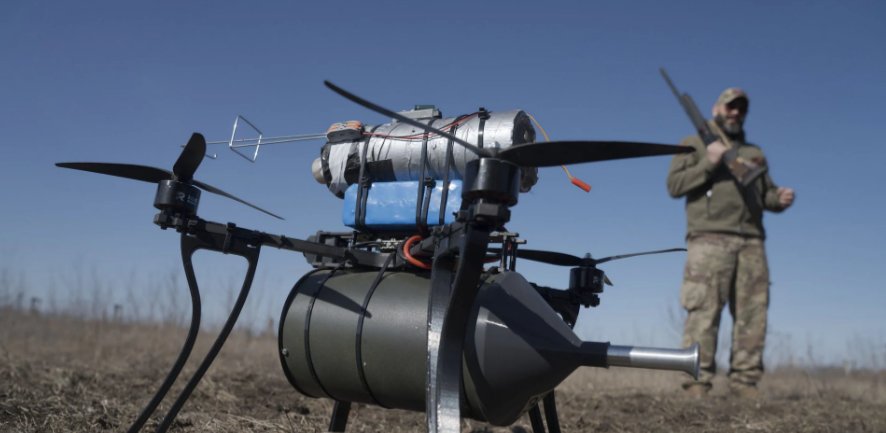
By the spring of 2026, the Ukrainian drone forces have become a key component in conventional defensive and offensive operations.
Third, there is a seesaw battle between the Donbas and the southern front.
After the Russian military occupied Pokrovsk, their strategic objective directly targeted the absolute high ground of the Donbas battlefield—the Sloviansk urban cluster, often referred to as the Battle of Tennozan. Western strategic analysis in 2025 defines this as the battle for the Eastern Ukrainian fortress belt. To this end, the Russian forces have assembled at least three times the troops deployed in the Pokrovsk campaign, launching offensives from three directions: Lyman, Siversk, and Kostiantynivka. This marks the commencement of the Russian spring offensive.
On March 19, the Russian military, including the 1st Guards Tank Army and the 20th Guards Combined Arms Army, mobilized over 500 infantry, dozens of armored vehicles, and more than 100 motorcycles, off-road vehicles, and all-terrain vehicles. They launched a rare mechanized cluster assault in seven directions toward the Lyman area. However, under the suppression of Ukrainian landmines, obstacles, and drones, the Russian offensive was repelled, resulting in heavy losses.
Although the Russian spring offensive was grand in scale, it is almost impossible to break through the Ukrainian defense lines or capture the Sloviansk urban cluster within 2026 due to two strategic constraints. First, the Ukrainian forces have long fortified this defense line, deploying extensive minefields, trenches, obstacles, and drone units in depth, making the Russian offensive unsustainable like melting snow and ultimately forcing it to halt due to excessive casualties. Second, the Ukrainian forces have endured the winter of 2025-2026 and assembled approximately 50,000 elite troops (including multiple assault brigades, airborne brigades, mechanized brigades, and nearly all strategic reserves) before the muddy season, launching the Huliaipole counteroffensive. As of March 23, the Ukrainian forces have recaptured 400 square kilometers, penetrated deep into Russian-held territory, and seized multiple key strongpoints, posing a strategic threat to the junction of the Russian Zaporizhzhia defense line (east) and the Donbas defense line (southwest), as well as the defensive zone of the Russian 29th Combined Arms Army. The Russian forces were compelled to redeploy strategic reserves originally intended for the Sloviansk offensive to reinforce the area, thereby disrupting their annual operational plans.
In summary, the current Russia-Ukraine war has evolved into a complex situation where diplomacy is constrained by global geopolitics (the Iran conflict), battlefield outcomes are determined by drone attrition, and ground operations are mired in a stalemate of tug-of-war. The Russian military still maintains advantages in nuclear deterrence, strategic strikes, and troop and firepower, while Ukraine, with assistance from Europe and the United States, has gained access to Starlink, space-based ISR systems, and intelligence superiority. It has also broken through the existing framework of mechanized warfare, demonstrating greater initiative in drone warfare and localized counterattacks, significantly reversing its passive strategic position.
But as previously mentioned, the direction of the Iran war will remain a key variable in determining the outcome of the Russia-Ukraine war.
II. War and Rare Metals
The ongoing wars in Russia-Ukraine and Iran continue to consume large quantities of missiles, artillery shells, and other munitions, while also stimulating similar demand from more countries worldwide. After these two conflicts conclude, whether it is the arms race among global powers or the replenishment of stockpiles by the United States, Russia, Ukraine, Europe, and other parties, it will drive the arms market into an unprecedented expansion cycle since the Cold War. In the coming years to a decade, the scale of this market may far exceed that of the real estate market in recent years.
For investors who do not possess the qualifications to enter the military industry or arms trade, a noteworthy entry point is: the production of missiles, artillery shells, and other armaments requires a large amount of rare metals. Multiple analyses from European and American military think tanks in recent times have pointed out that the international markets for rare metals such as tungsten, gallium, and magnesium have shown significant unusual movements since March this year, and this trend will not subside in the foreseeable future.
As the primary country for mining, processing, and exporting these rare metals, market trends in related fields are worth long-term attention.
III. Netanyahu's "Personal Pursuit" and Trump's "No Other Choice"
Although there are numerous voices online suggesting that Iran adopt strategies such as missile saturation attacks, nuclear material attacks, regional proxy involvement in warfare, or terrorist attacks within Europe and the United States, and despite the proliferation of AI-generated videos depicting scenes of the U.S. and Israel being attacked, the reality presents a different picture.
The greatest difference between the Iran War and the Russia-Ukraine War lies in the fact that the U.S.-Israel coalition employs high-tech means such as integrated intelligence, information, navigation, and electromagnetic warfare to impose a dimensional reduction strike on Iran. Iranian leadership has been forced to go underground, only able to carry out symbolic counterattacks with sporadic missiles and drones, resulting in a markedly one-sided and constrained battlefield situation.
From an international political perspective, major Eurasian powers also hope to end this conflict as soon as possible. Therefore, the path to ending the Iran war may be far simpler than that of the Russia-Ukraine war, and it is expected that a preliminary conclusion could be drawn between April and May.
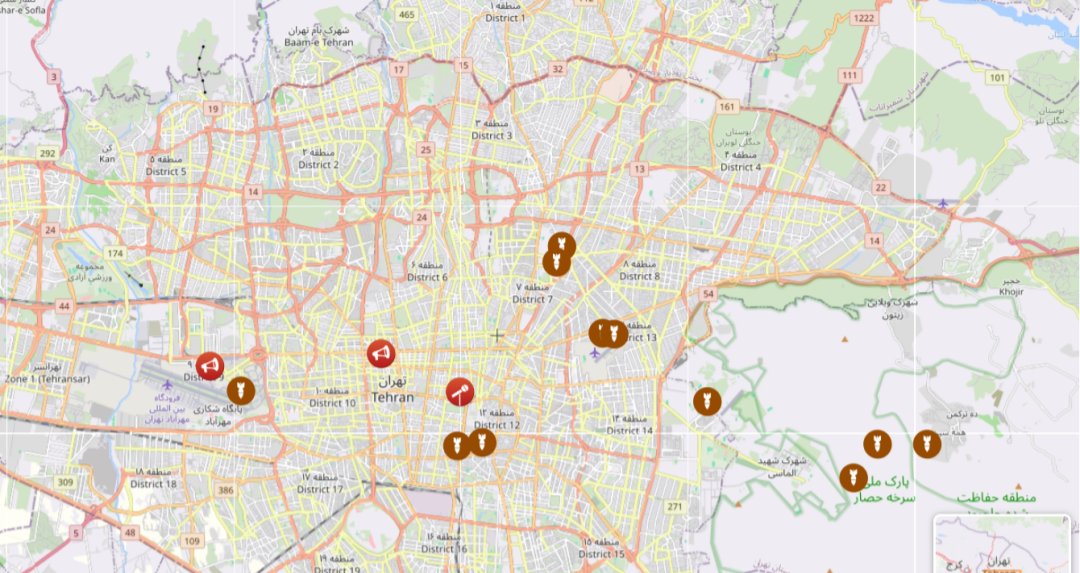
On March 23, the US-Israel coalition once again heavily bombed Tehran and a simplified diagram of the bombed areas in Tehran. Bomb symbols indicate the blast points.
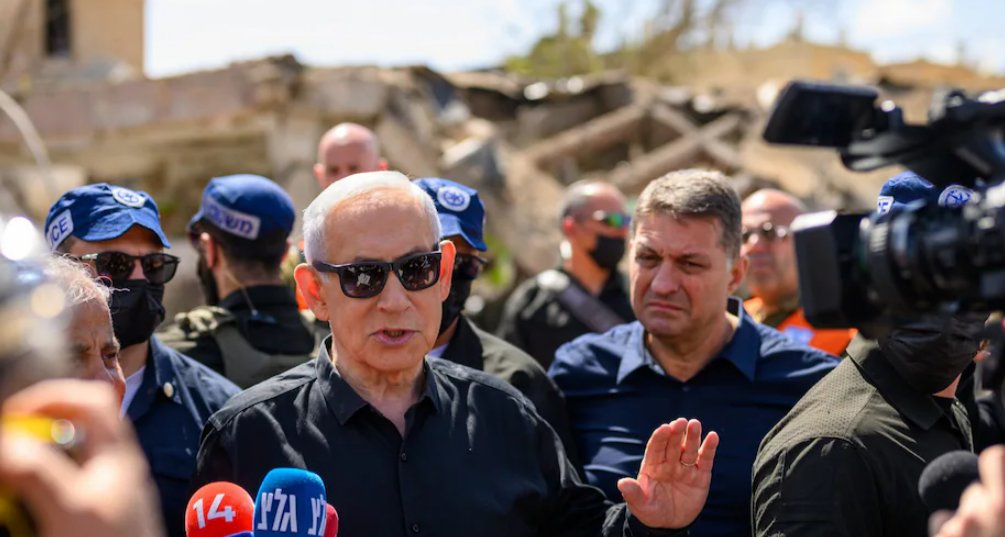
On March 22, Netanyahu visited the bombing site in Dimona and delivered a speech.
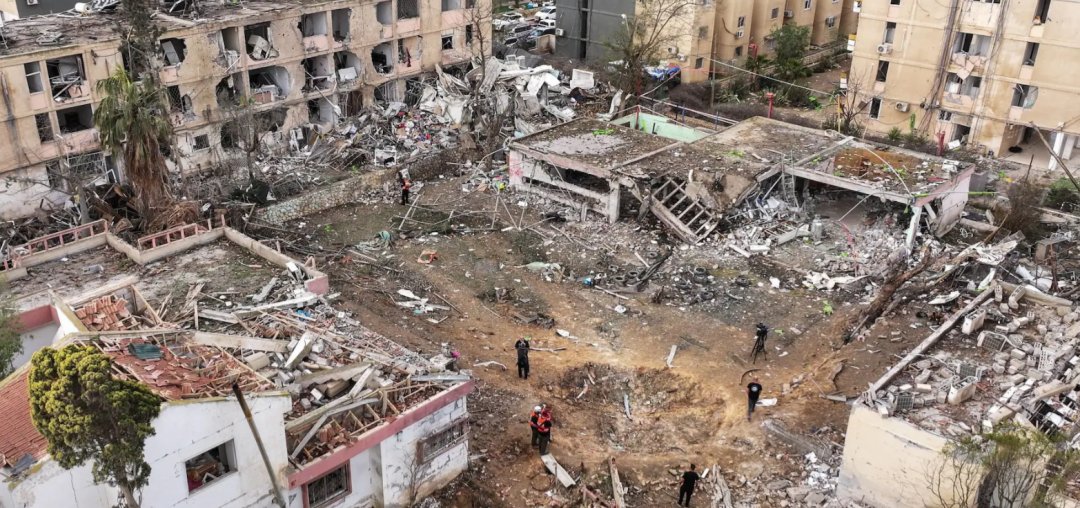
The Dimona bombing site left dozens injured.
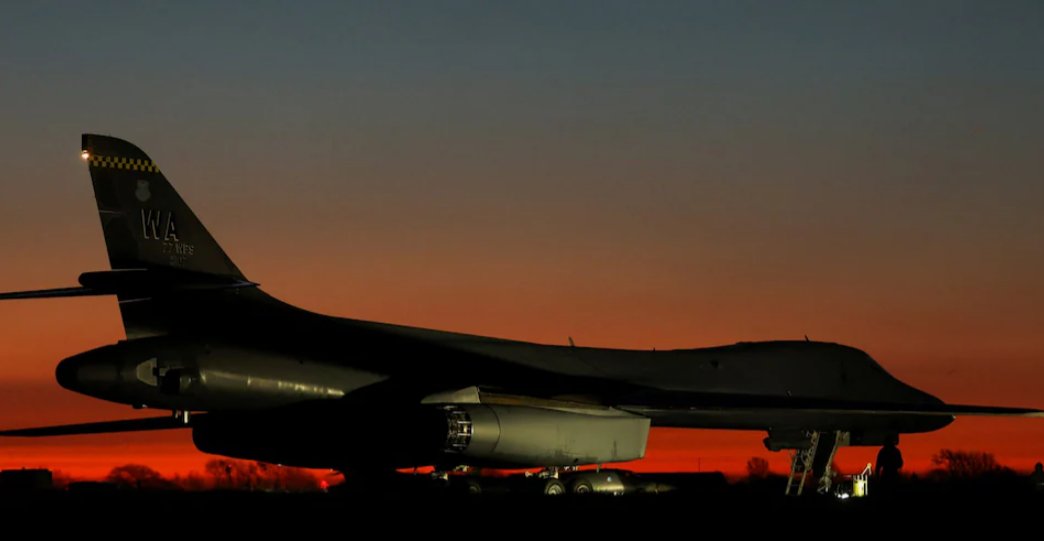
A U.S. Air Force B-1 bomber returns to RAF Fairford in the UK from Iran.
On March 22, following an Iranian missile attack on the Israeli town of Dimona that left dozens injured, Netanyahu personally visited the scene, accusing the Iranian Revolutionary Guard Corps and stating, "We will hunt them down ourselves—their leaders, their facilities, their economic assets." This statement conveyed a firm signal: Israel has now included such attacks targeting civilians as grounds for expanding its future strikes against Iran, extending military objectives to leadership and economic systems. Its strategic aim is clearly directed at eliminating the Iranian Revolutionary Guard Corps or driving regime change in Iran.
On the Trump side, after issuing a 48-hour ultimatum on March 21 to open the strait or bomb energy infrastructure, they reiterated the message on March 23, emphasizing achieving peace through strength. The U.S. side also signaled that aside from launching a ground invasion, there seemed to be no other choice.
Combined with the U.S. military's deployment of the 82nd Airborne Division to the Iran theater, the amphibious assault ship USS Tripoli and the 31st Marine Expeditionary Unit combat group, the amphibious assault ship USS Boxer and the 11th Marine Expeditionary Unit combat group, among other movements, the situation has clearly gone beyond the scope of simply bombing energy infrastructure. As the President of the United States, if Donald Trump were to carry out indiscriminate bombing of energy facilities, he would face immense political and moral pressure. The so-called bombing of energy infrastructure is more likely a form of strategic pressure rather than actual execution (Trump has posted that the U.S. and Iran have had very good and productive talks on a comprehensive and thorough resolution (of the war issue) and have extended the ultimatum deadline by at least five days).
In the depths of the Arabian Sea, a deeper storm is brewing.