The Low-Altitude Blade in Operation "Absolute Resolve": A Complete Analysis of U.S. Military Helicopters
09/01/2026
The appearance in Venezuela's "Absolute Determination" operation.
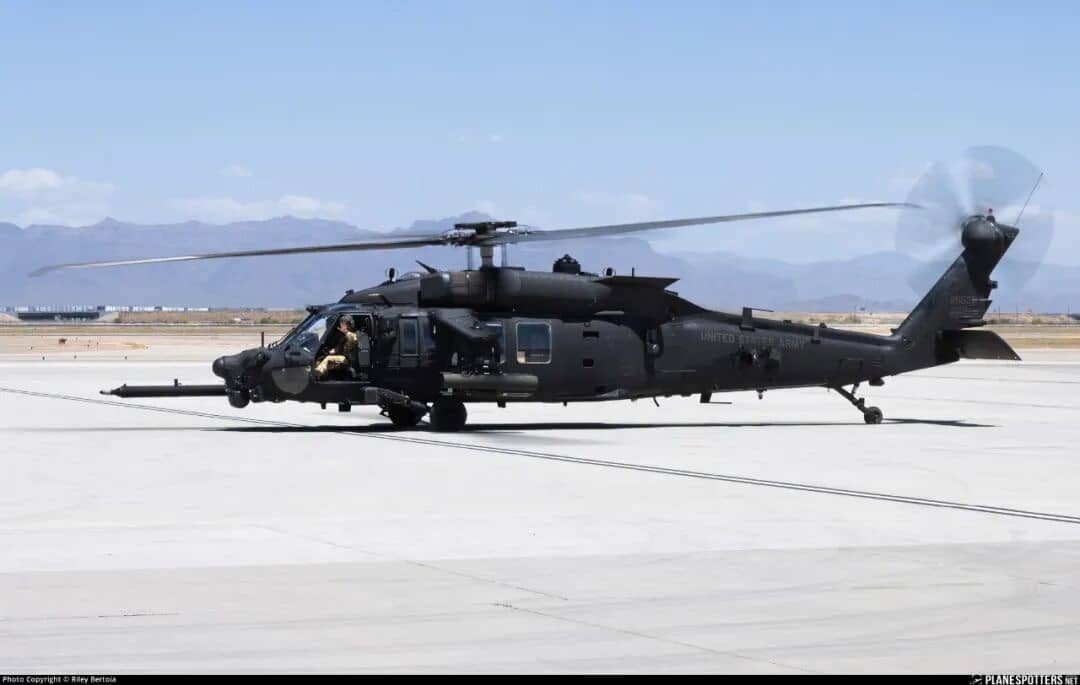
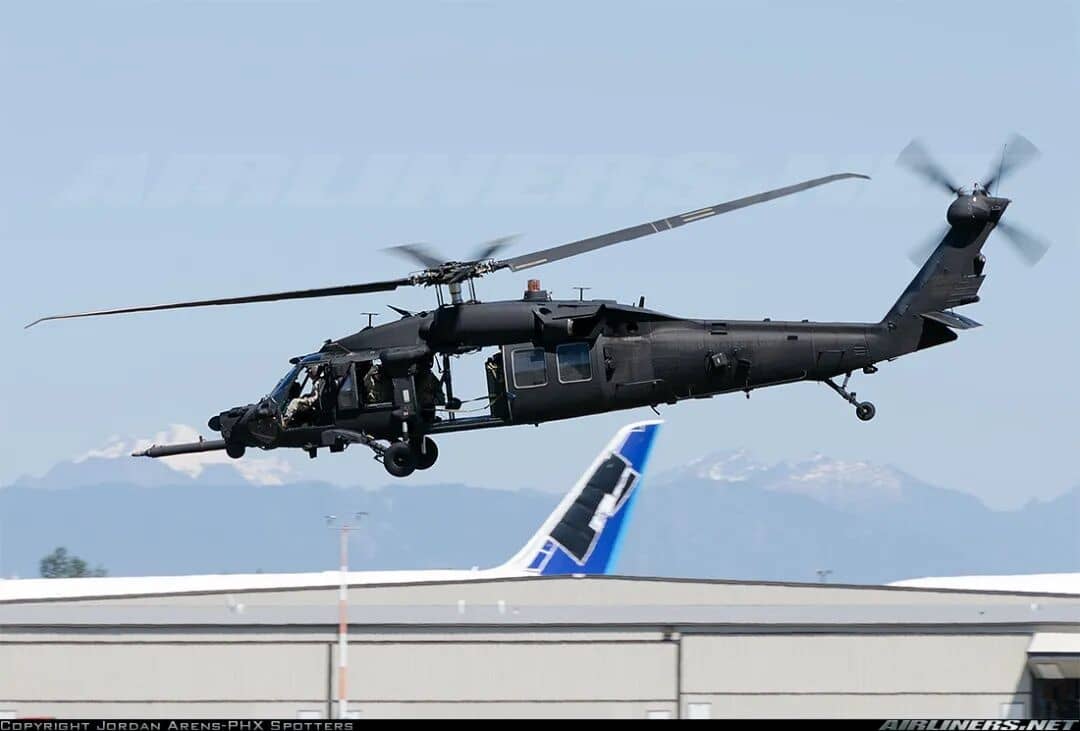
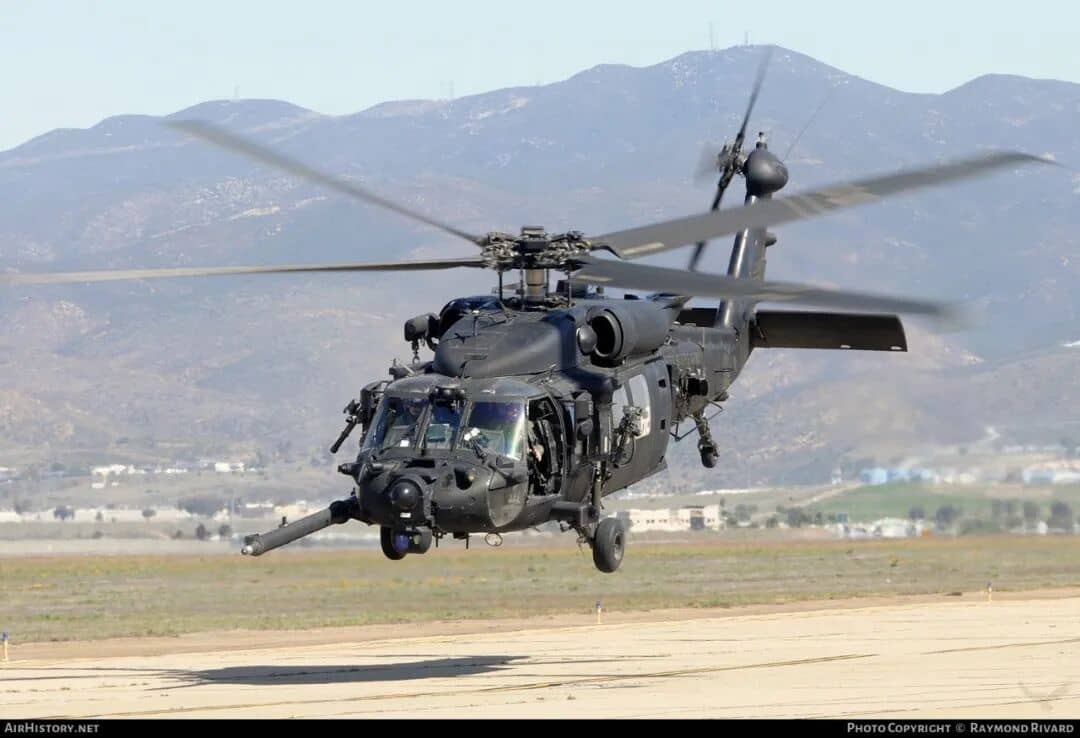
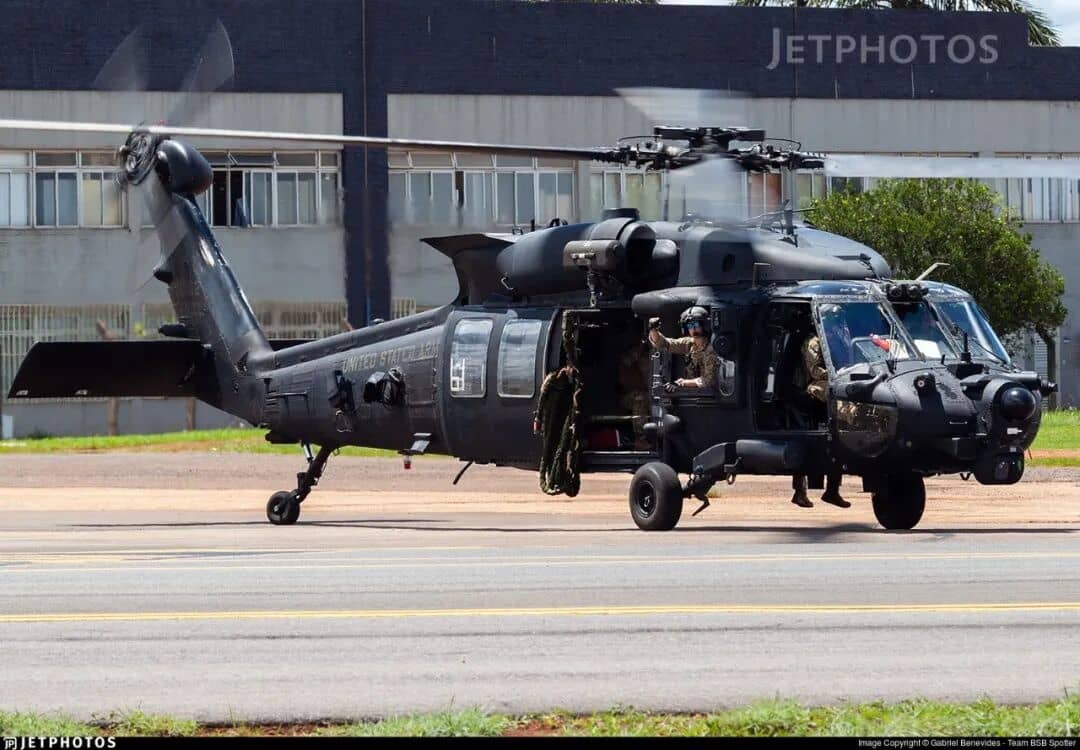
According to a report on the War Zone website on January 5, 2026, on the night of January 3, 2026, the United States carried out a military operation codenamed "Absolute Resolve" in Caracas, the capital of Venezuela. In this operation led by the Joint Special Operations Command, the U.S. Army's 160th Special Operations Aviation Regiment provided critical air support. Analysis of open-source imagery, aircraft silhouettes, and tactical patterns confirmed that the heavy attack helicopters used in the operation against the military complex at Fort Tiuna in Caracas, which employed cannon and rocket attacks, were actually MH-60M DAP (Direct Action Penetrator) armed helicopters belonging to the 160th Special Operations Aviation Regiment. This raid highlighted their significant value in executing special operations missions.
- Basic Parameters and Powertrain Configuration
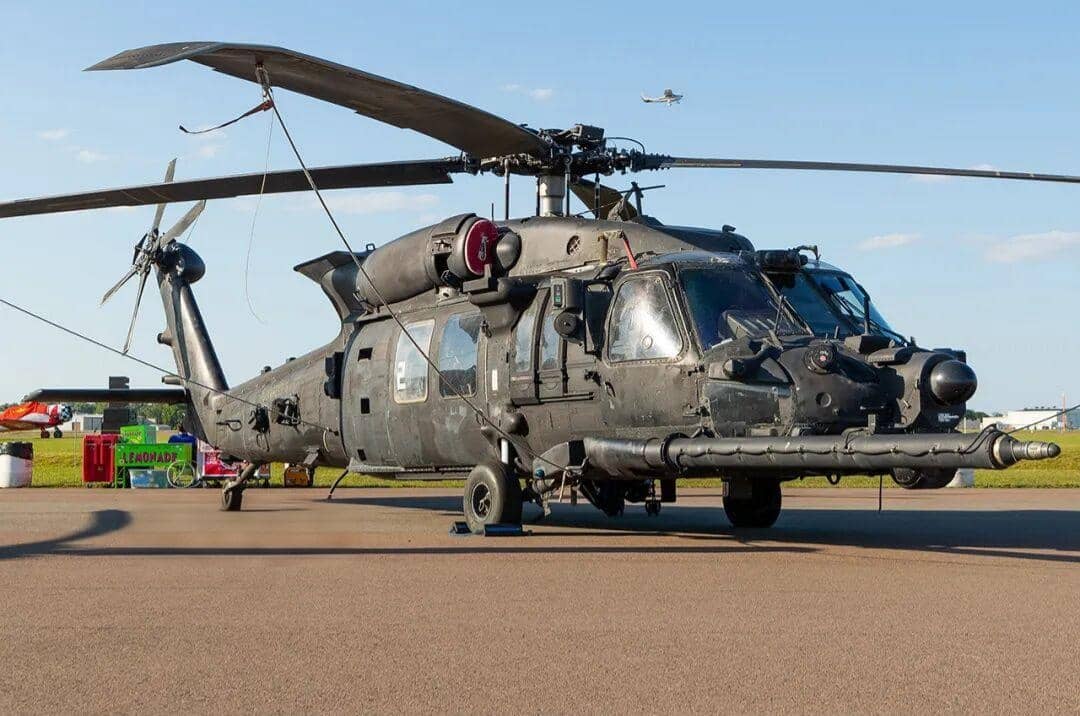
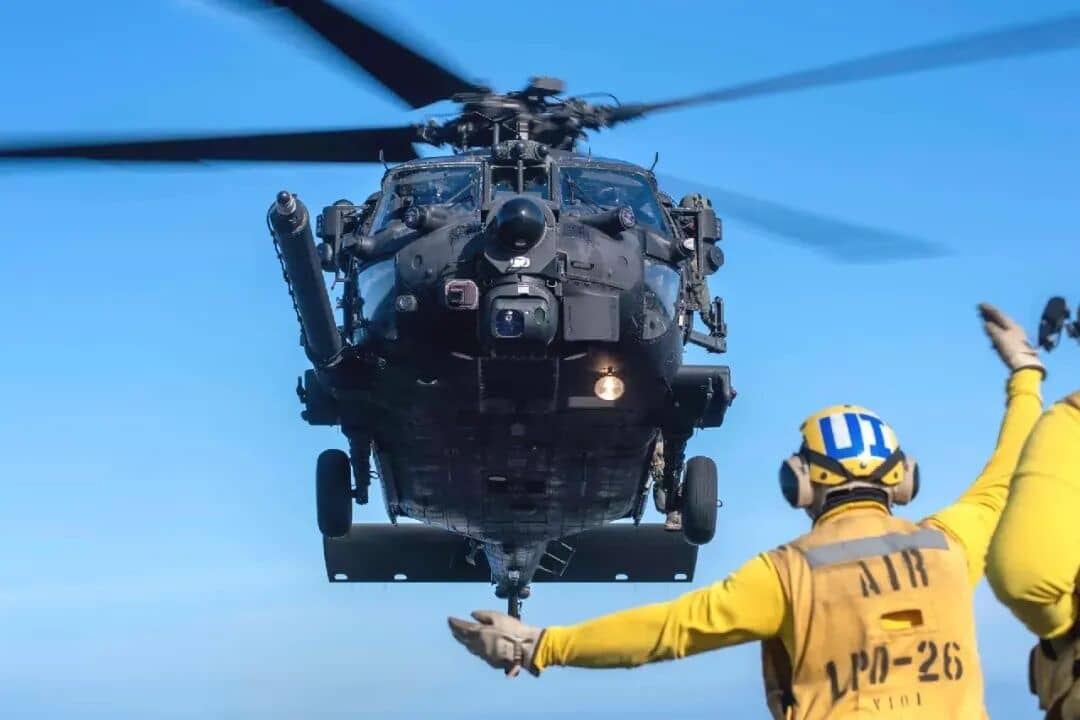
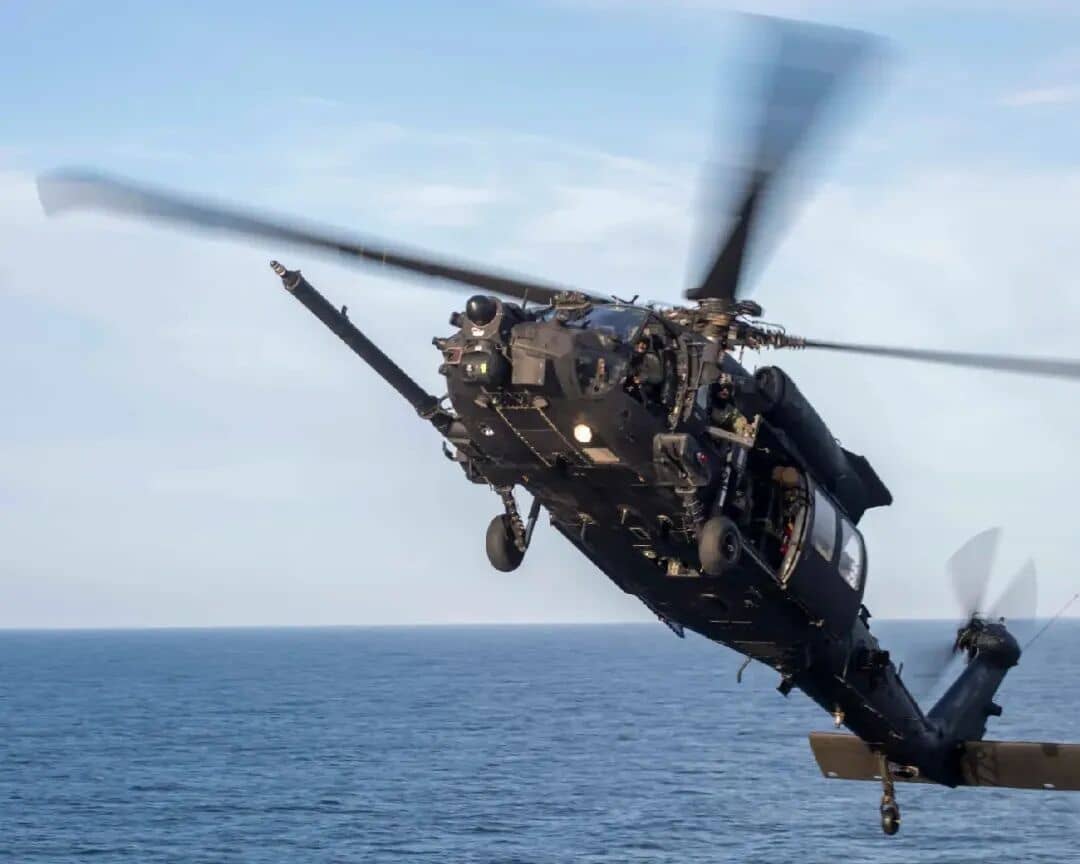
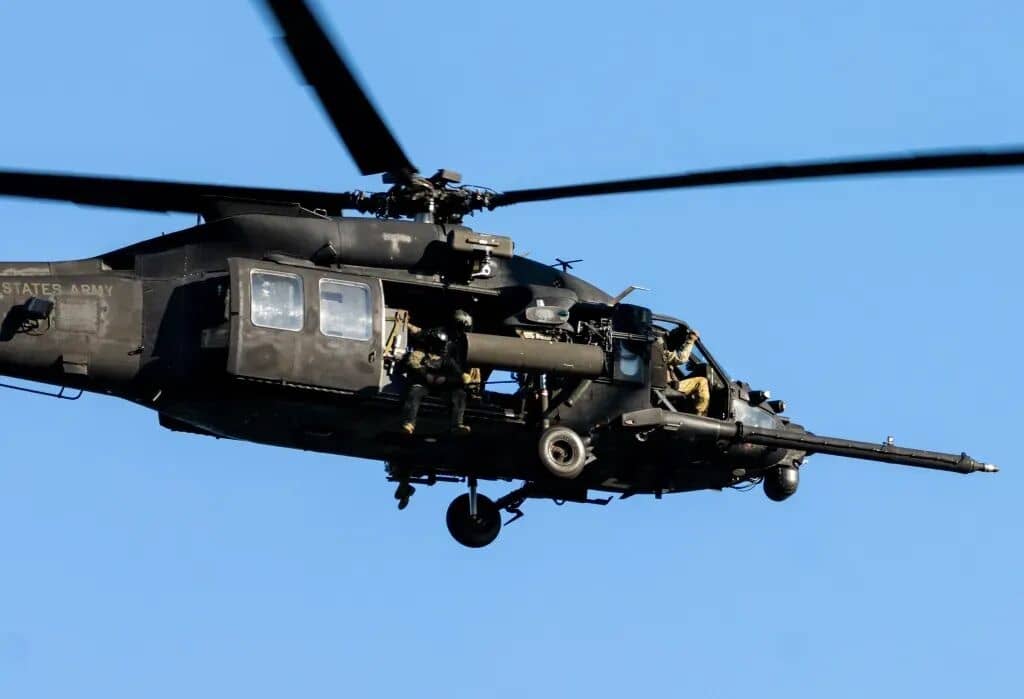
MH-60M DAP is a specialized armed attack platform extensively modified based on the Sikorsky UH-60 Black Hawk helicopter. The fuselage is 15.2 meters long, with a length of approximately 16.35 meters when the rotor system is deployed. The main rotor diameter is about 14.1 meters, and the height is approximately 5.13 meters. The aircraft is powered by two General Electric YT706-GE-700 turboshaft engines, each equipped with a Full Authority Digital Engine Control system, providing substantial power reserves and excellent high-altitude, high-temperature performance. It is also fitted with engine air filters, with a maximum gross weight reaching about 11,113 kilograms. The mission of the DAP variant is to deliver intensive aerial fire support, armed escort, and close air support, hence its design emphasizes weapon payload, sensor integration, and battlefield survivability. During missions, the MH-60M DAP can perform aerial refueling from special operations tankers such as the MC-130J Commando II through its retractable refueling boom mounted on the nose. The boom extends forward during use to ensure the tanker and the trailing refueling drogue remain clear of the rotor blades, thereby extending its operational range and mission endurance.
Top Avionics and Sensor Systems: Ensuring Combat Readiness in Harsh Environments
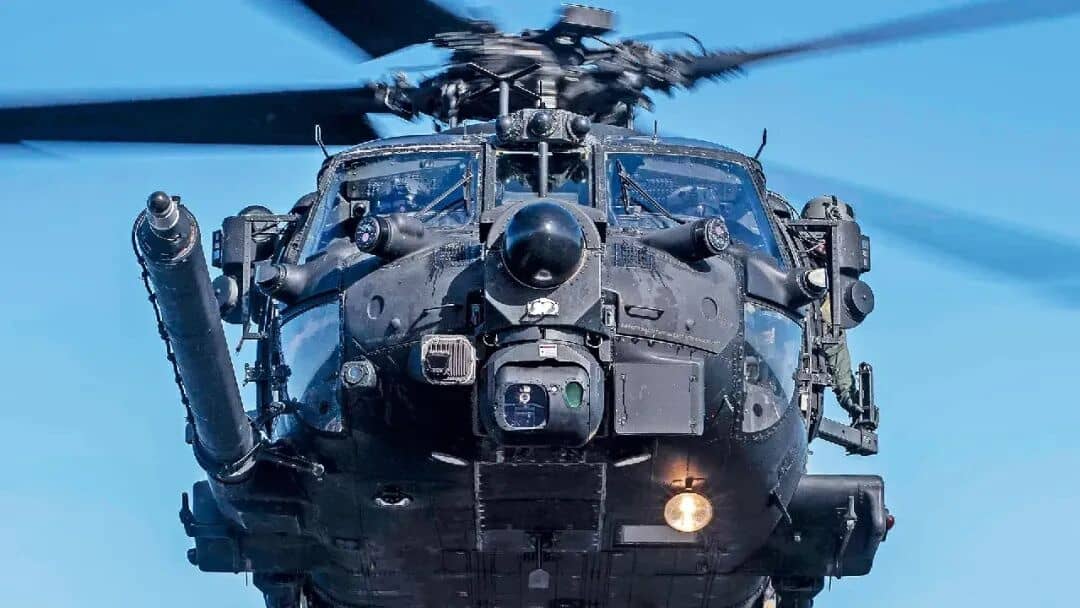
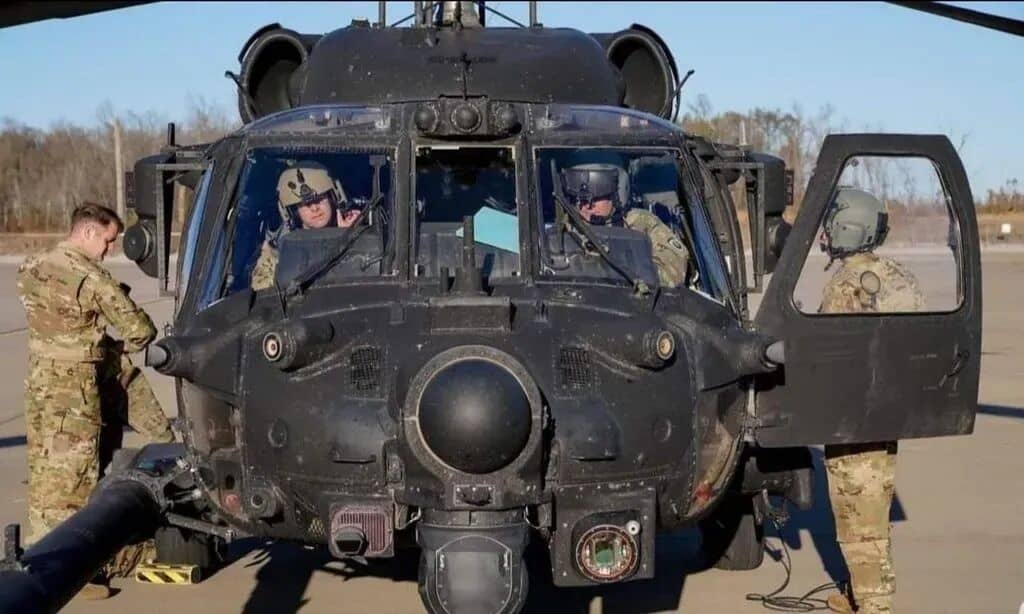
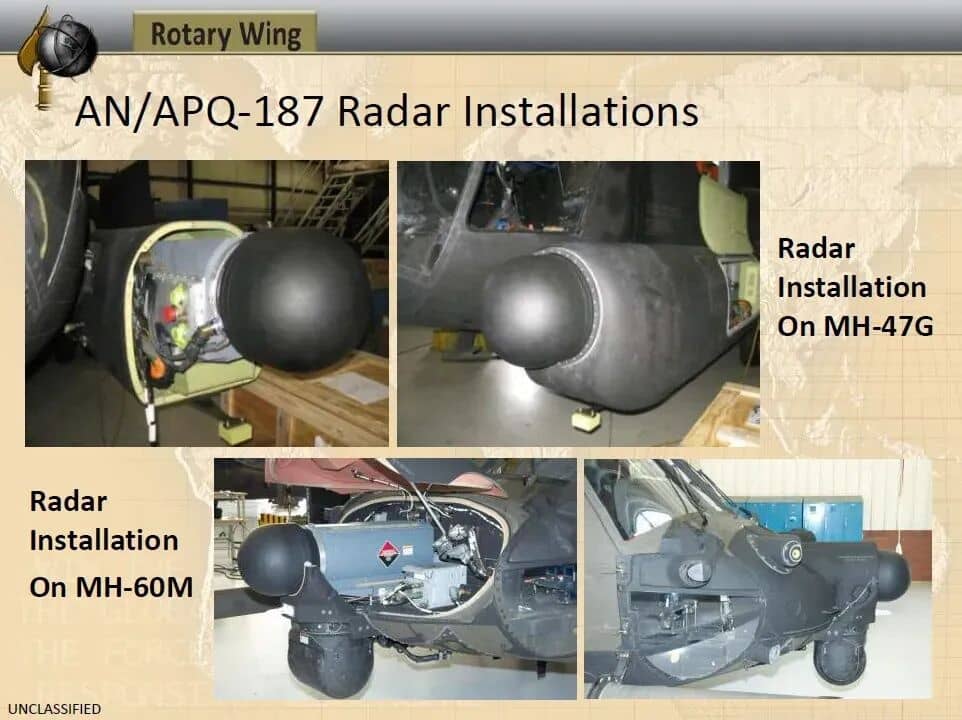
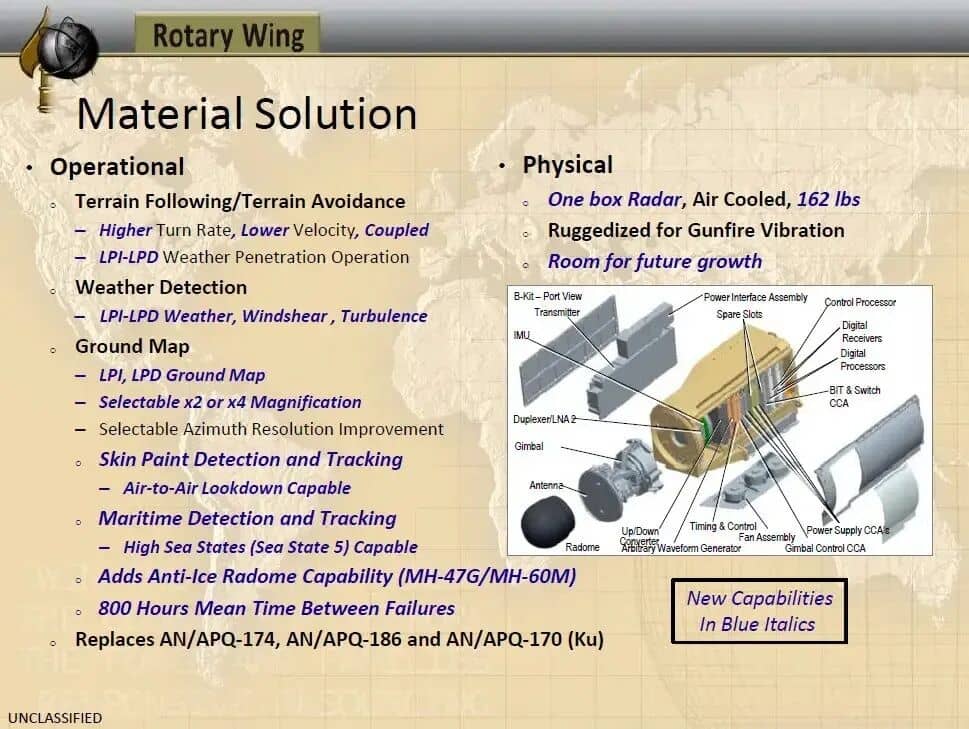
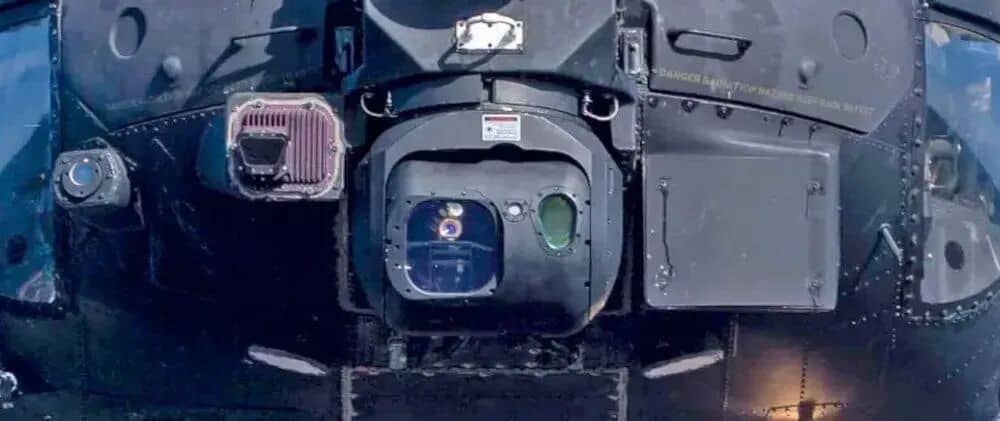
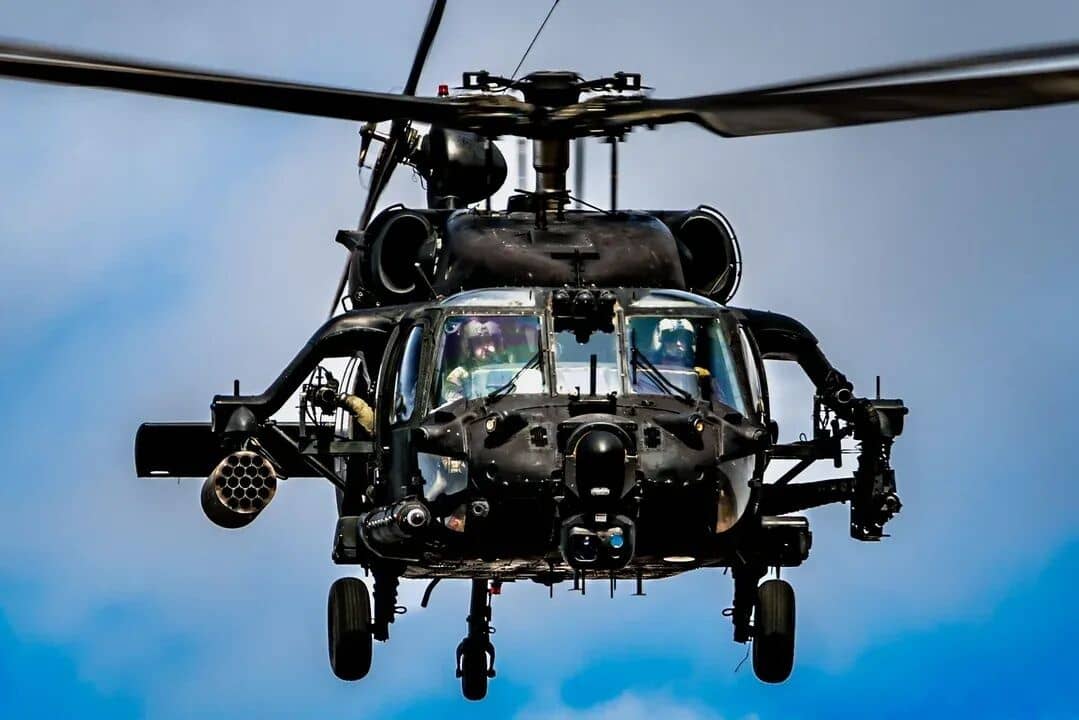
MH-60M DAP is also equipped with top-tier avionics and sensor systems, ensuring its operational capability in extremely harsh environments and under nighttime conditions. The aircraft's nose is fitted with terrain-following/avoidance radar. Early models were equipped with the AN/APQ-174 radar, while newer versions have been upgraded to the more advanced AN/APQ-187 Silent Knight radar, enabling the helicopter to perform nap-of-the-earth flight, automatically maintain a safe altitude over complex terrain and in adverse weather, and effectively evade enemy radar detection. Directly below the radar, an AN/ZSQ-2 electro-optical sensor turret is installed, integrating a high-resolution electro-optical camera and a forward-looking infrared (FLIR) thermal imager. This provides the crew with all-weather, day-and-night full-motion video surveillance and target identification capabilities. The DAP variant's turret also incorporates a laser designator for terminal illumination of Hellfire missiles or laser-guided rockets launched by the aircraft itself. To address visibility degradation caused by sand, smoke, snow, fog, and similar conditions, the aircraft is also equipped with a Degraded Visual Environment Pilotage System (DVEPS). This system combines LiDAR and databases to generate synthetic visual imagery for the pilot, assisting in safe flight under extremely poor visual conditions.
Comprehensive Self-Defense Kit with Powerful Secure Communication Capabilities
In terms of defense, the MH-60M DAP is equipped with a comprehensive self-protection suite. Its airframe is surrounded by various warning sensors, including radar warning receivers, laser irradiation warning devices, missile approach warning systems, as well as components of active jammers and other electronic warfare systems. Additionally, other parts of the helicopter are fitted with additional components of these systems, while the tail boom is equipped with flare dispensers to achieve full-coverage protection. This enables the helicopter to promptly detect threats such as ground-based air defense radars, air defense missile guidance signals, or incoming missiles. Once a warning is triggered, the countermeasure systems linked to the sensors respond automatically or manually, including launching chaff flares to counter radar-guided missiles and infrared decoy flares to counter infrared-guided missiles. Furthermore, the aircraft is equipped with the Common Infrared Countermeasures (CIRCM) system, a directional infrared countermeasures system that disrupts incoming infrared-guided missiles by emitting modulated laser beams directly at their seekers, causing them to deviate from the target. Regarding communication systems, the aircraft possesses exceptionally robust secure communication capabilities, with numerous antennas installed both above and below the fuselage. It supports very high frequency/ultra high frequency line-of-sight communication, high frequency beyond-line-of-sight communication, and satellite communication. For example, an X-shaped satellite communication antenna is visible on top of the fuselage directly above the cockpit, ensuring uninterrupted communication with command centers, other aircraft, and ground special forces during deep operations behind enemy lines.
Originating from practical combat requirements: optimization of the cockpit and short wings.
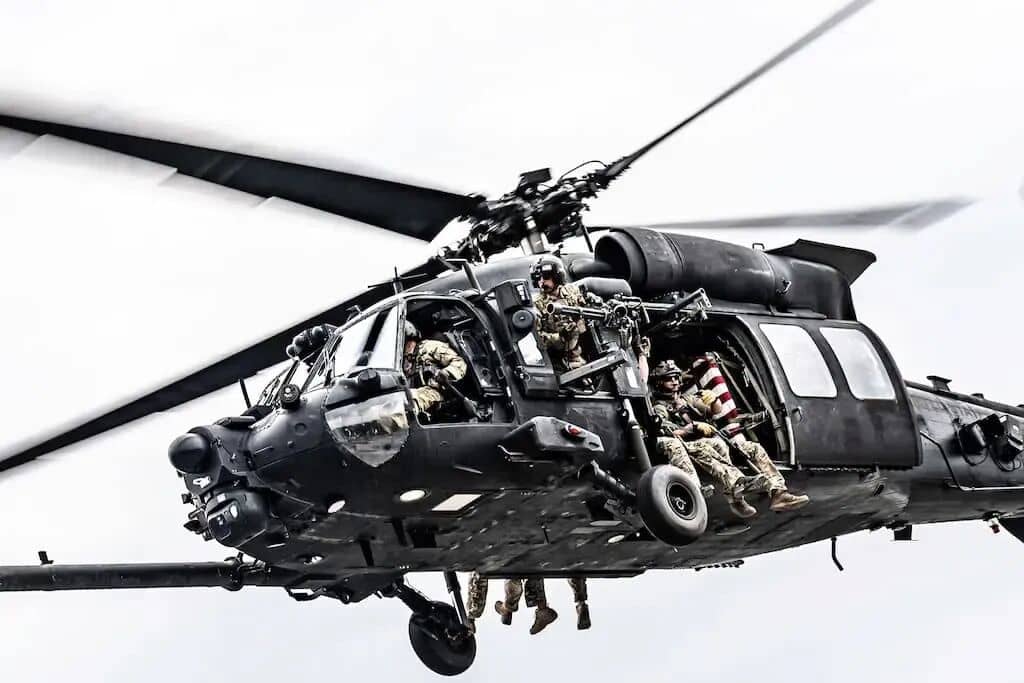
The modification of the MH-60M DAP originated from the practical combat requirements of the 160th Special Operations Aviation Regiment, involving a comprehensive upgrade of the avionics system and optimization of the weapon mounting structure. The MH-60M features a glass cockpit based on the Common Avionics Architecture System, with four large multifunctional displays integrating flight data, digital maps, sensor video, and weapon control interfaces, significantly reducing pilot workload and enhancing situational awareness. The stub wings have also evolved from the earlier External Stores Support System (ESSS) or single-pylon stub wings to the lighter, more easily detachable Multi-Station Lightweight Armament Support Structure (MLASS), improving maintainability and mounting configuration flexibility. A standard MH-60M transport helicopter can be converted into the DAP configuration within hours by installing weapon stub wings and corresponding control systems, providing substantial flexibility for mission planning.

Diversified Weapon Payloads: Engaging Multiple Target Types
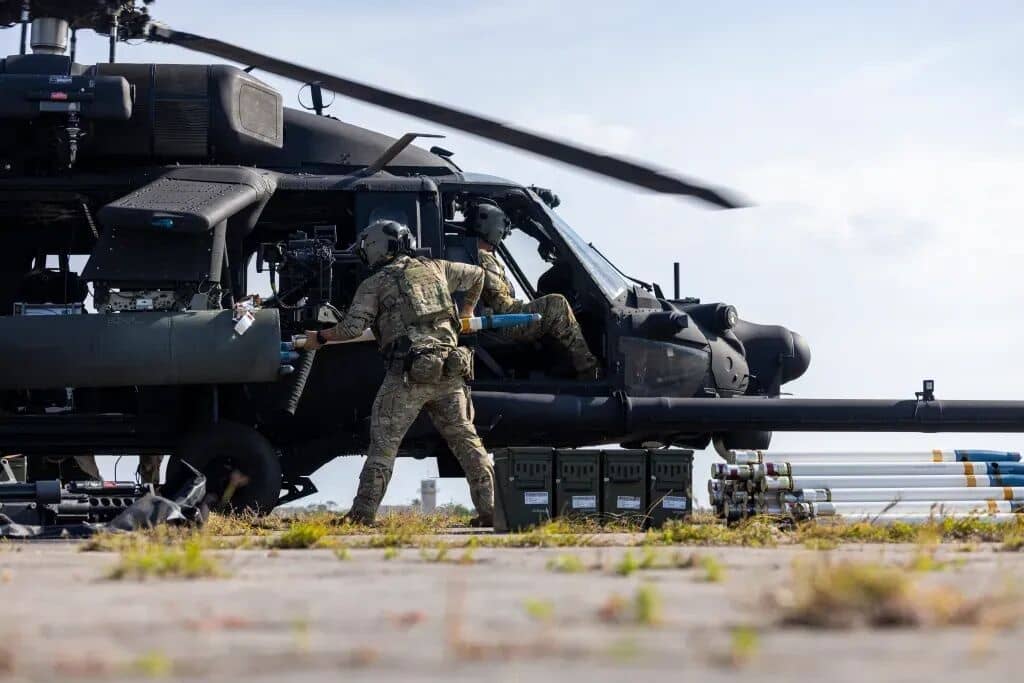
MH-60M DAP short wings provide multiple weapon hardpoints, capable of carrying various armaments. These include one or two 30mm M230 chain guns, which are the same main cannons used on the AH-64 Apache attack helicopter. With a firing rate of approximately 625 rounds per minute and a capacity of 1,100 rounds, they are employed against light armored vehicles and fortified structures. The DAP can also carry up to four M261 19-tube launchers for firing 70mm Hydra 70 unguided rockets or APKWS II precision-guided rockets. Via the M299 launcher, it can mount up to 16 AGM-114 Hellfire laser-guided anti-tank missiles for precise strikes against armored targets or hardened positions. Additionally, its fixed weapon configuration includes two 7.62mm M134 Minigun Gatling-style machine guns, mounted in a fixed forward position and remotely operated by the pilot for strafing and suppressing ground personnel. As needed, the DAP can also be equipped with AIM-92 Stinger air-to-air missiles for self-defense, as well as GAU-19/A 0.50‑inch caliber Gatling gun pods. This versatile weapon configuration enables it to engage a wide range of targets, from infantry groups to armored vehicles.

Operation "Absolute Determination" validates its special operations value.
The successful deployment of the MH-60M DAP in Operation Absolute Determination in Venezuela once again validates the critical value of heavy special operations armed helicopters in modern high-intensity, high-precision special assault missions. Its demonstrated capabilities in long-range infiltration, low-altitude penetration, precise fire support, and seamless coordination with special operations teams played a key role in the success of the 160th Special Operations Aviation Regiment. Of course, this also requires the opponent to be sufficiently weak. In a high-threat environment like the Russia-Ukraine battlefield, successfully kidnapping a president would not be easy!