Germany and the United Kingdom Sign Agreement: Evaluating Self-Propelled Howitzer Systems in Preparation for Joint Procurement?
06/01/2026
On [Month] [Day], the governments of the United Kingdom and Germany confirmed that the two countries have signed a joint agreement to collaboratively procure and evaluate the Type wheeled self-propelled howitzer system.
The RCH 155 self-propelled howitzer utilizes a Boxer 8×8 wheeled armored personnel carrier chassis.
The agreement, with a total value of 52 million pounds (approximately 490 million yuan), marks a significant milestone in the defense cooperation between the two countries. Under the Early Capability Demonstration (ECD) program, the United Kingdom will receive one RCH 155 prototype system, while Germany will receive two. This will enable the armies of both nations to share test data, technical characteristics, and operational feedback, thereby providing reference for potential future procurement decisions.
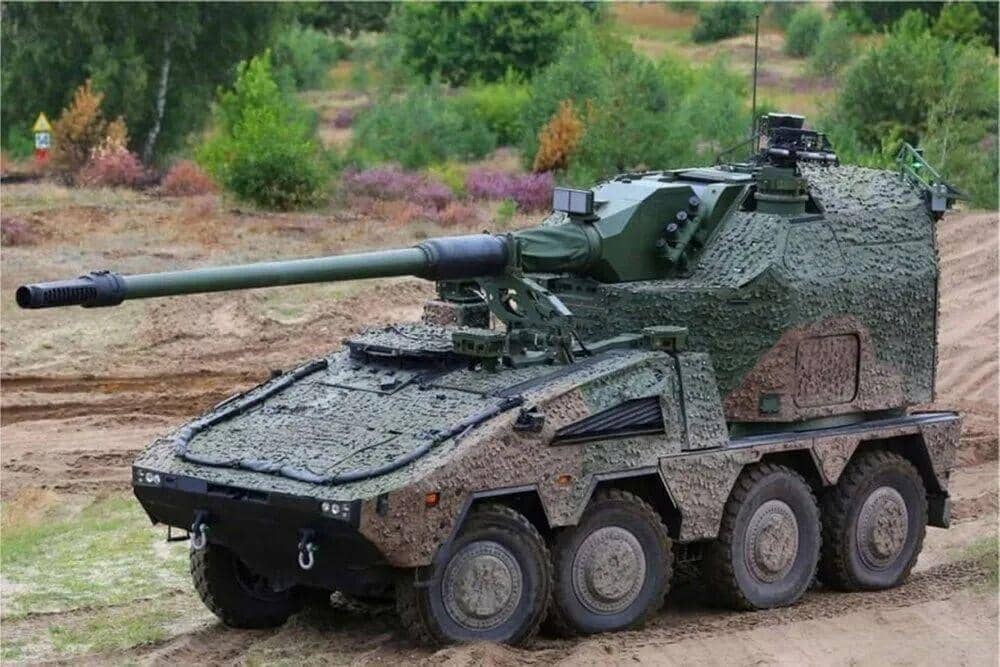
Self-propelled howitzers are equipped with extended-range barrels, providing a range advantage.
The agreement signed between the United Kingdom and Germany for the RCH 155 self-propelled howitzer marks a shift in the British Army’s artillery modernization strategy, laying the groundwork for replacing the current aging artillery systems through the Mobile Fires Platform program. Based on the combat-proven 155mm L52 artillery system, the RCH 155 self-propelled howitzer utilizes a modular-designed Boxer 8×8 wheeled armored vehicle chassis. This combination creates a fully automated, highly mobile artillery platform capable of delivering precise firepower against targets within a range of 70 kilometers using long-range ammunition.

On May 1, the first self-propelled howitzer from the headquarters of the German-French joint venture was delivered to Ukraine.
Unlike traditional self-propelled howitzers, it is specifically designed for networked, high-mobility operations. Equipped with an autoloading unmanned turret and advanced fire control system, it reduces crew requirements while maximizing combat efficiency. The system can commence firing within seconds of halting and relocate immediately after completing missions, significantly minimizing the risk of threats from enemy counter-battery fire. Its capability to fire on the move represents a leap forward in the operational effectiveness of NATO artillery forces—an essential feature in high-intensity battlefields where mobility and survivability are critical.
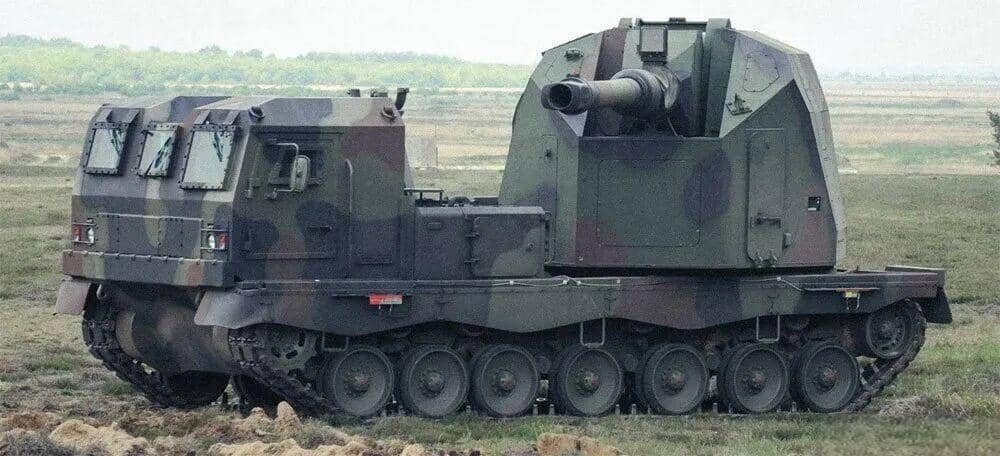
Early artillery module system prototype vehicle of Krauss-Maffei Wegmann.
The unmanned turret of the RCH 155 is derived from the Artillery Gun Module (AGM) developed by Krauss-Maffei Wegmann (KMW). It is fully remotely operated, allowing the gunner to control it from within the hull of the Boxer wheeled armored vehicle. The unmanned turret accommodates 30 rounds and features a Multiple Round Simultaneous Impact (MRSI) capability. This means the RCH 155 can fire multiple rounds that follow different trajectories to hit a single target simultaneously—a function typically found only in top-tier artillery systems.
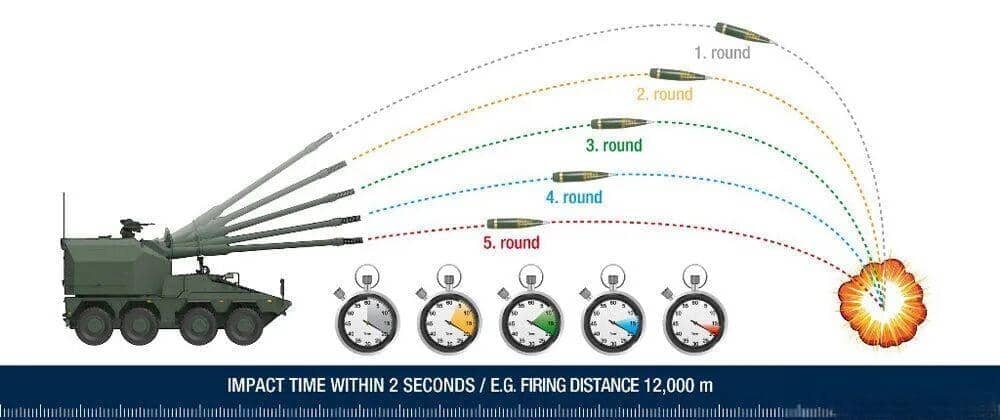
RCH 155 features the capability for multiple rounds simultaneous impact.
From a strategic perspective, selecting the Boxer as the chassis ensures compatibility with other weapon systems of the British Army. The UK has already planned to procure over 600 Boxer armored vehicles for the Mechanised Infantry Vehicle (MIV) program, thereby achieving economies of scale in logistics and maintenance within the army forces. The integration of the RCH 155 with the Boxer also enhances the system's deployment capability, enabling rapid transportation and strategic mobility in Europe and other regions.
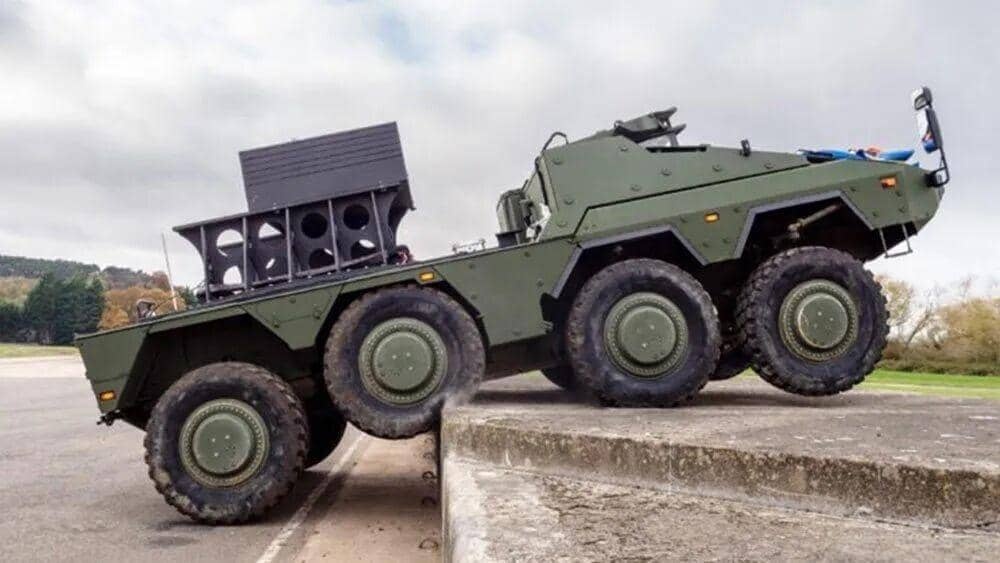
Boxer Armored Personnel Carrier chassis undergoing obstacle crossing tests.
Based on the joint testing conducted with Germany under the early capability verification program, the UK and Germany will be able to share ballistic data, mobility indicators, and system integration test results. This collaborative approach aims to reduce overall costs and accelerate procurement decisions. The relevant test items will include live-fire exercises, command and control integration with other NATO weapon systems, as well as battlefield mobility assessments under various climatic and terrain conditions.
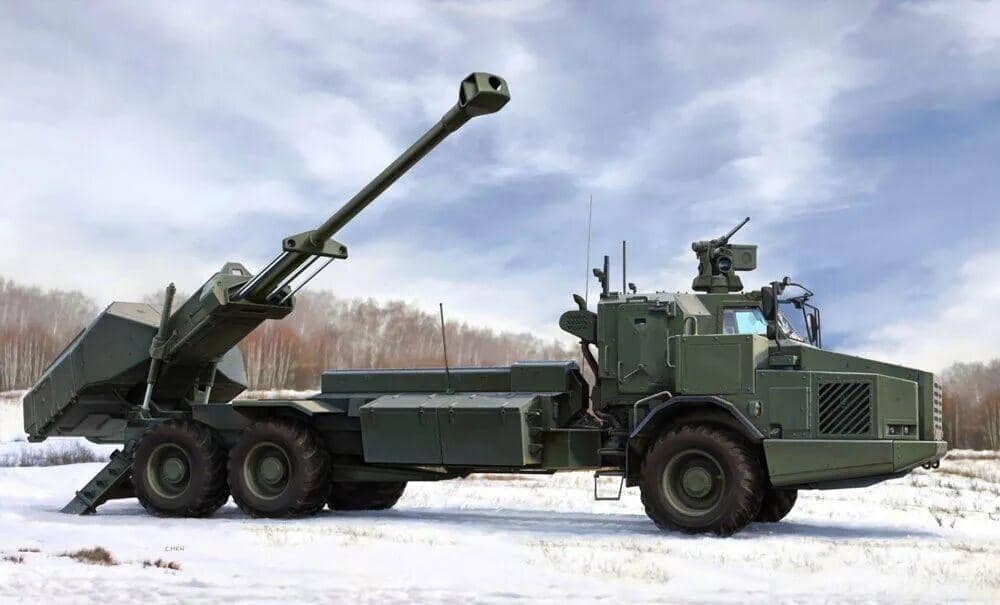
Swedish Archer Self-Propelled Howitzer.
According to the plan, the RCH 155 will replace the British Army's transitional Archer self-propelled howitzer system and serve as a supplement to, or even partially replace, the German Army's active PzH 2000 tracked self-propelled howitzer. After providing the AS90 tracked self-propelled howitzer to Ukraine in 2023, the British Army procured the Swedish Archer wheeled self-propelled howitzer as interim equipment. Although the Archer can provide short-term operational capability, it lacks the advanced automation, modularity, and mobility that the RCH 155 system possesses.
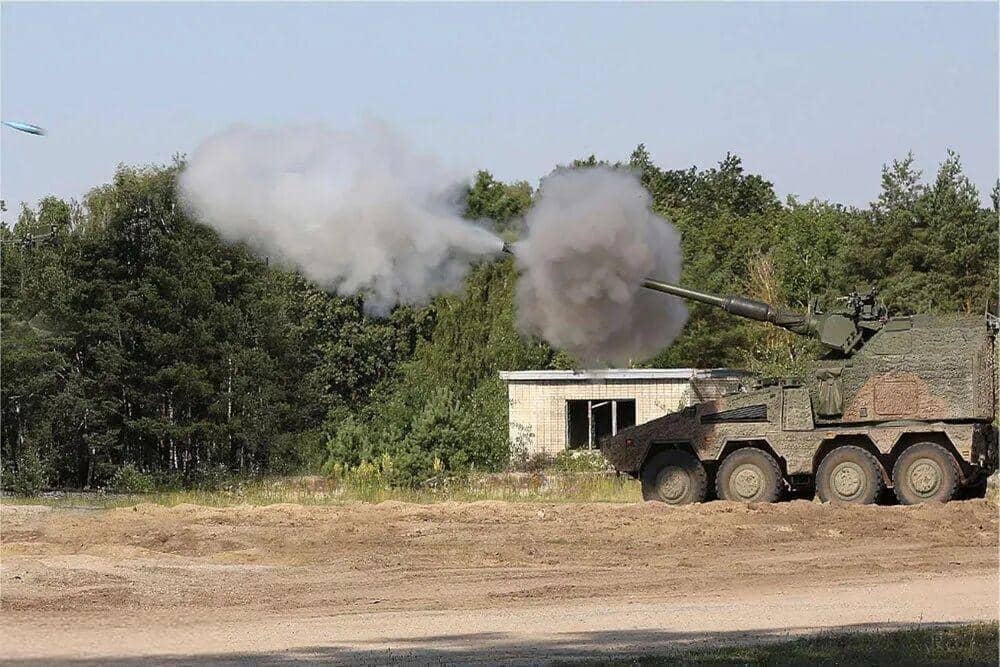
A prototype vehicle undergoing live-fire testing.
This multi-million-pound agreement represents a strategically significant initial investment, enabling the United Kingdom to evaluate the system under operational conditions and make well-informed decisions regarding future procurement and deployment. As geopolitical tensions escalate and artillery plays a central role in prolonged conflicts, deploying self-propelled howitzer systems with long-range, mobile firepower is becoming a cornerstone of NATO's deterrence posture.
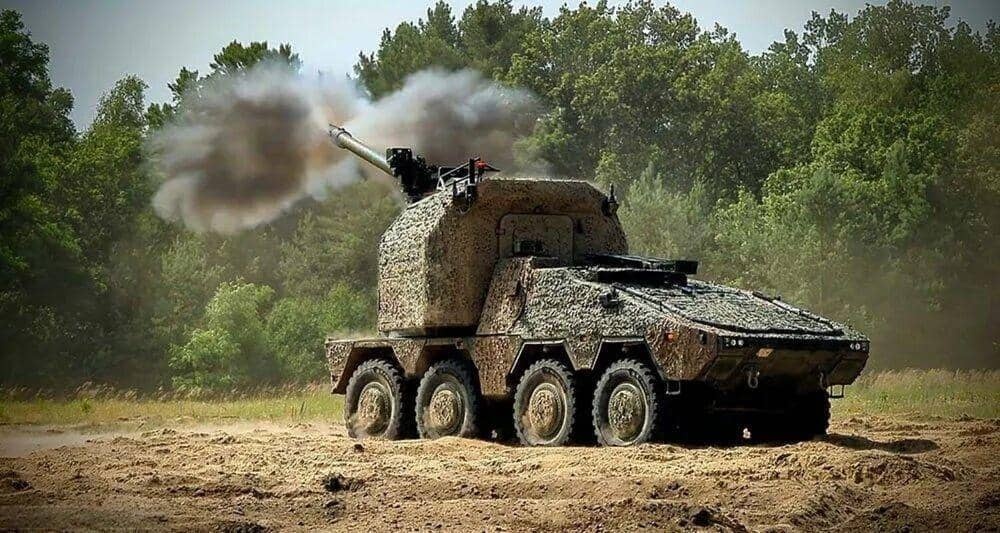
Possesses omnidirectional firing capability.
The plan clearly embodies the purpose of NATO's internal cooperation: coordinating the defense capabilities of the United Kingdom and Germany, deepening interoperability, and establishing a coordinated response mechanism to address emerging threats. This plan is also reflected in the commitments made in the UK's Strategic Defence Review: linking the upgrade of frontline combat capabilities with the revitalization of the domestic industry.